
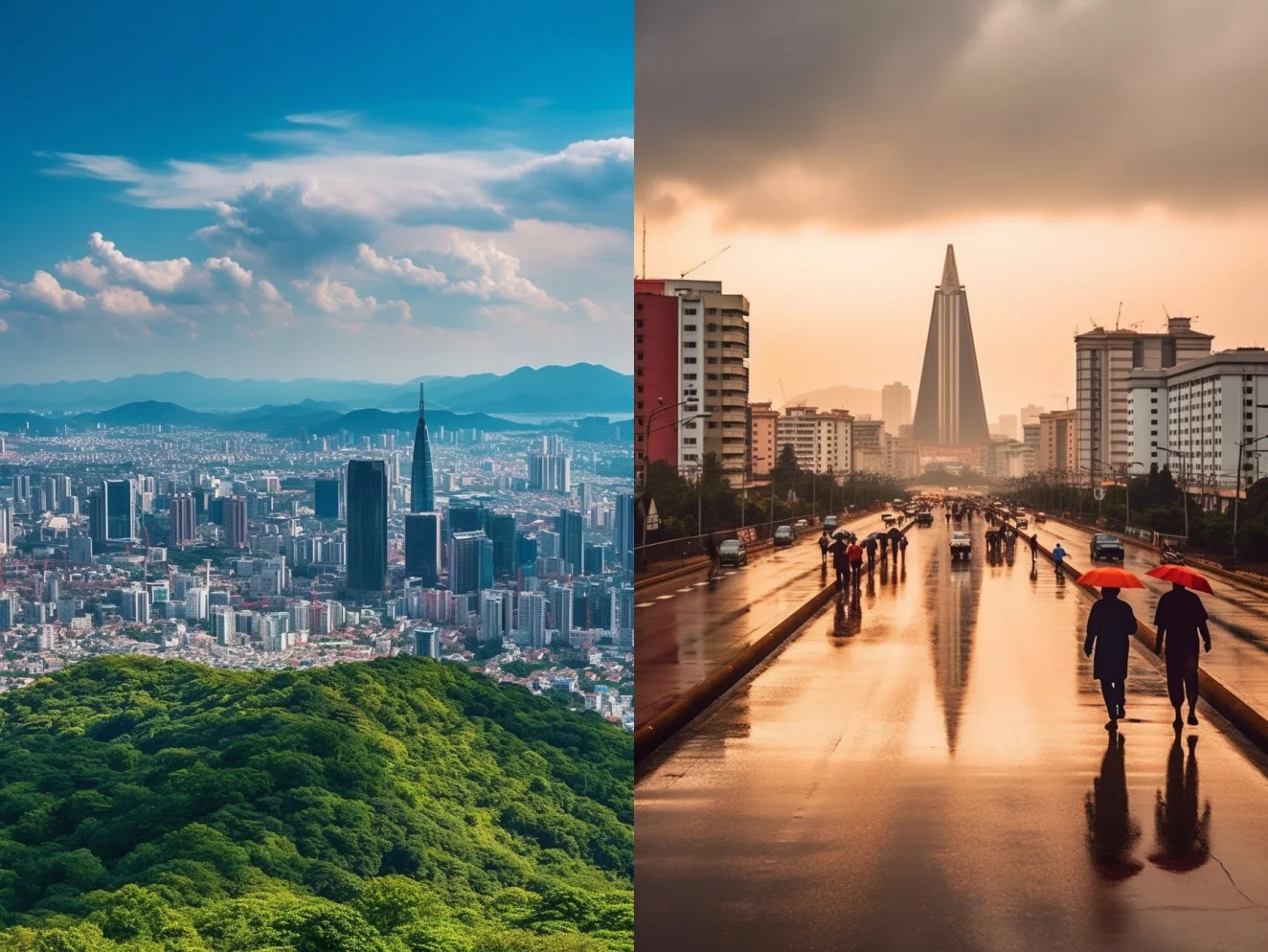
From Propaganda Parades to K-Pop Sensations: Get Ready for an Eye-Opening Visual Ride!
In a world marked by divisions and geopolitical tensions, the rivalry between North Korea and South Korea captures global attention like few others. The Korean peninsula, split into two nations after World War II, stands as a testament to the enduring impact of historical events and the power of ideology.
Over the decades, the hostility and separation have profoundly shaped the lives, cultures, and landscapes of these two nations in strikingly different ways. Through the lens of Ji-Soo Kim, a talented Korean photographer, we embark on an extraordinary visual journey that unravels the stark contrasts between North and South Korea.
Ji-Soo Kim's photographic exploration takes us beyond the surface, delving into the intricate realities of everyday life on the Korean peninsula. From the enigmatic and tightly controlled society of North Korea to the dynamic democracy and economic powerhouse of South Korea, the divergent paths taken by these nations come into sharp focus.
Through Ji-Soo Kim's lens, we gain insight into the complexities and nuances that define each country, navigating the landscapes, cultures, and lives that exist on opposite ends of the spectrum.
1. Farmers
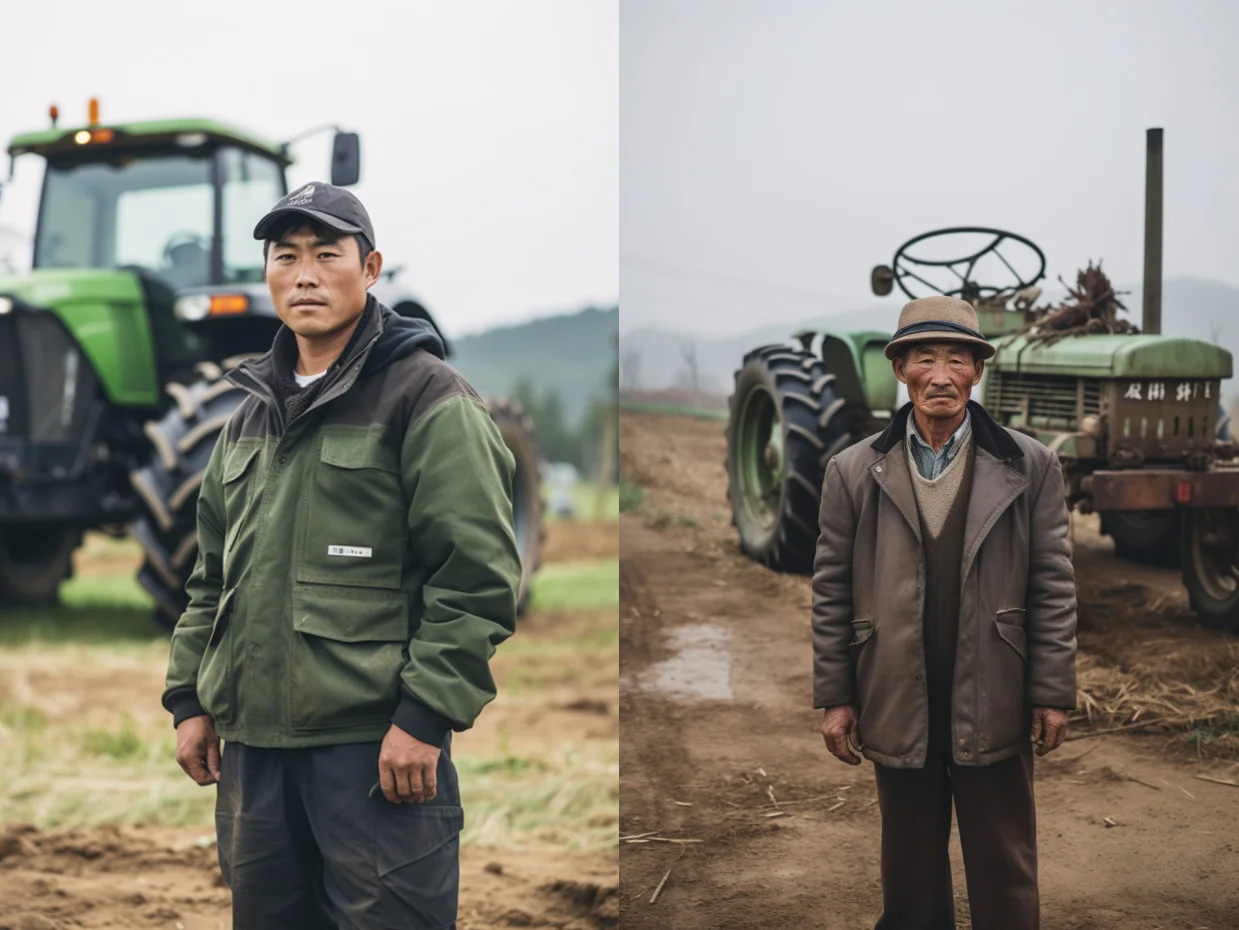
In South Korea, farming has undergone significant modernization and technological advancements. Farmers embrace innovation and employ efficient agricultural practices, utilizing machinery, automation, and advanced farming techniques. They strive for high productivity and quality produce to meet the demands of a competitive market.
Agriculture is highly valued in North Korea, and farmers are seen as the backbone of the nation. They work diligently to ensure food security and self-sufficiency, often engaging in manual labor and traditional farming methods to cultivate the land and maximize crop yields
2. Pools
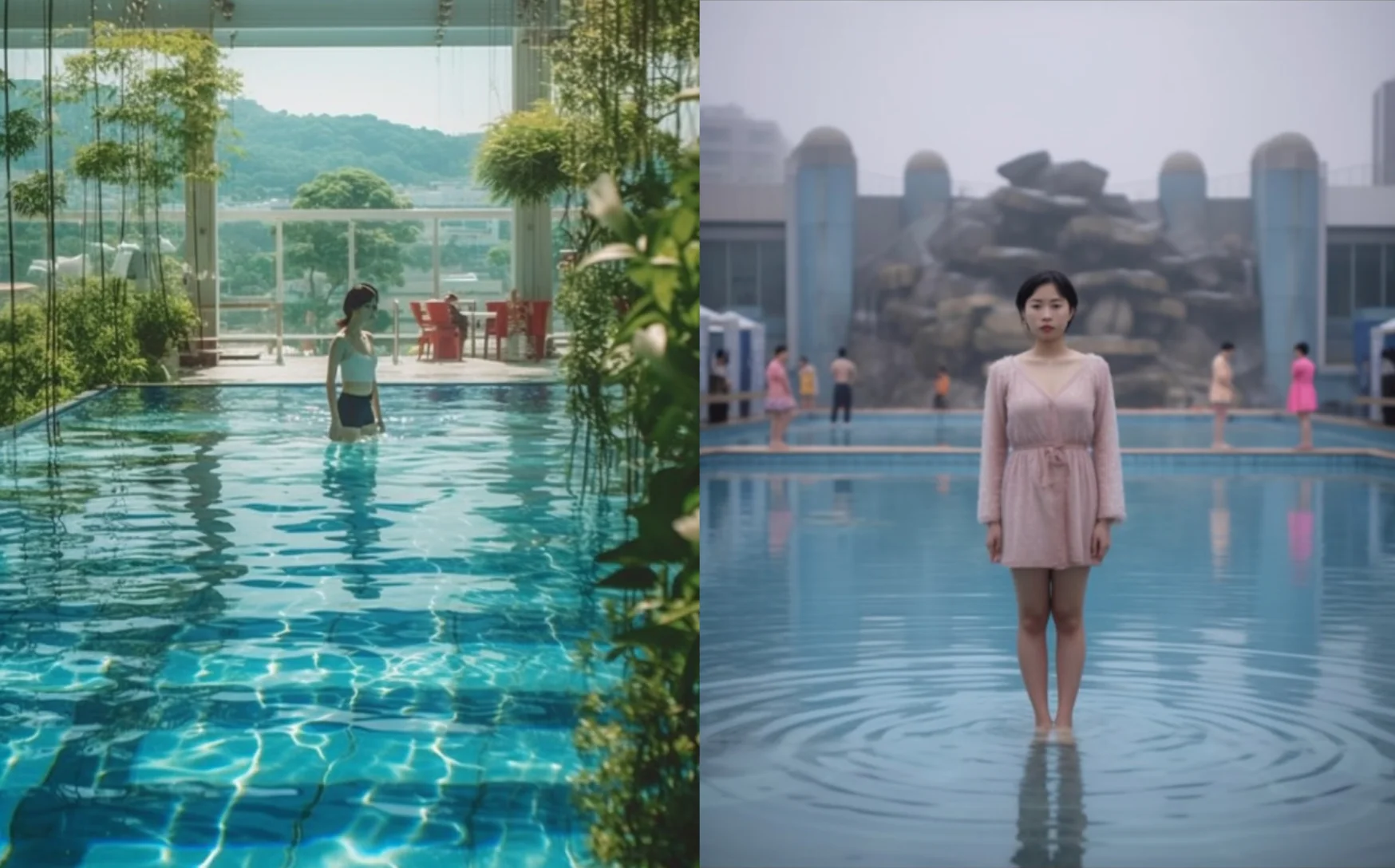
In South Korea, pools vary in size and scope, catering to different interests and preferences. From large water parks with thrilling slides and attractions to luxurious private pool resorts, South Koreans enjoy a wide range of aquatic experiences, emphasizing entertainment, relaxation, and individual enjoyment.
Public swimming pools in North Korea serve as recreational spaces for families and communities. They are often modest in size and design, reflecting the country's focus on collective well-being and providing opportunities for leisure and social interaction.
3. Skylines
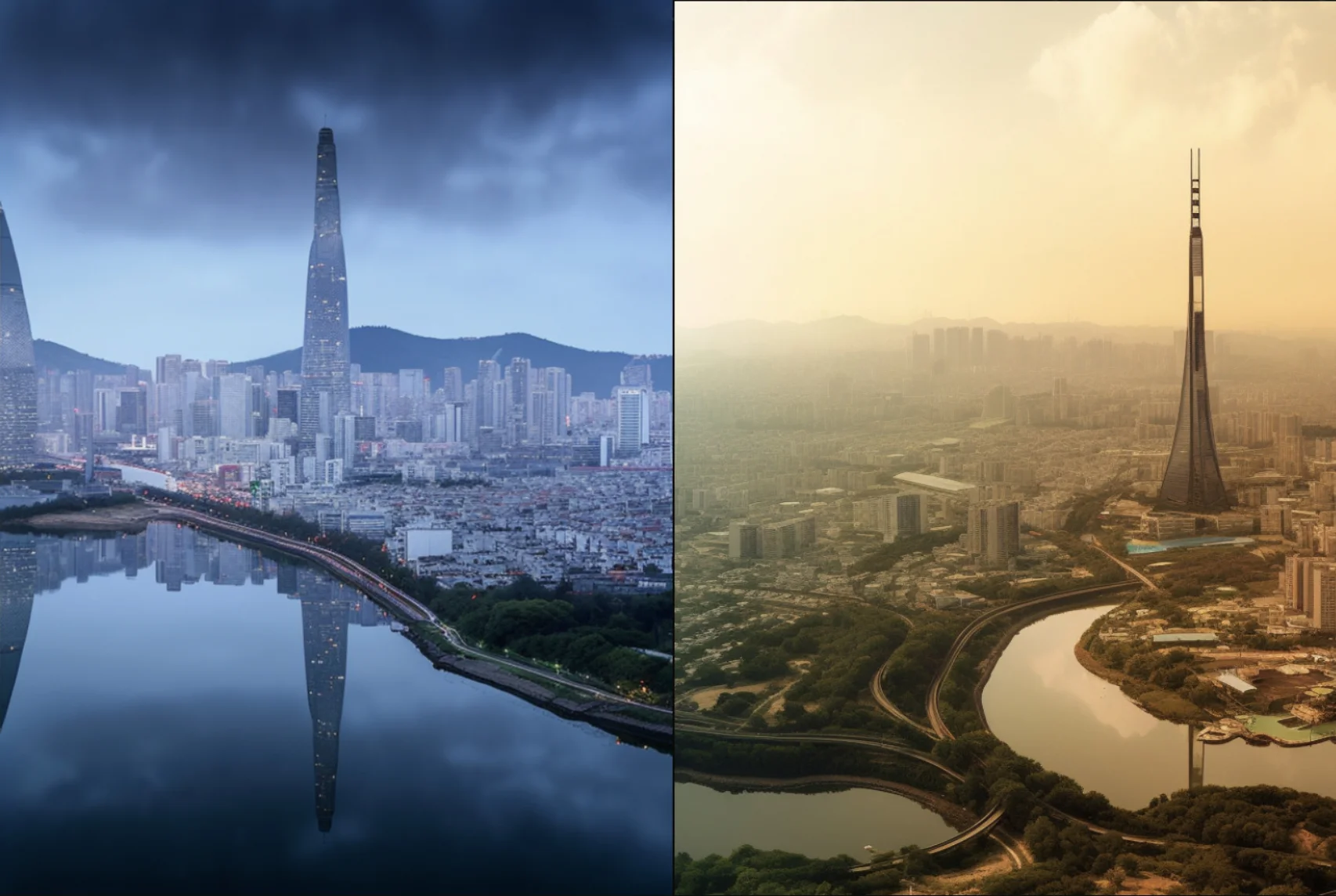
South Korea's skylines, particularly in bustling cities like Seoul and Busan, exhibit a blend of traditional and modern architectural styles. Skyscrapers, commercial centers, and residential complexes create a dynamic panorama, reflecting the country's economic growth, urbanization, and vibrant city life.
The skyline of Pyongyang, North Korea's capital, showcases grand and meticulously planned architecture. Dominated by towering monuments and government buildings, it represents the country's vision of strength, unity, and socialist ideals.
4. Airports
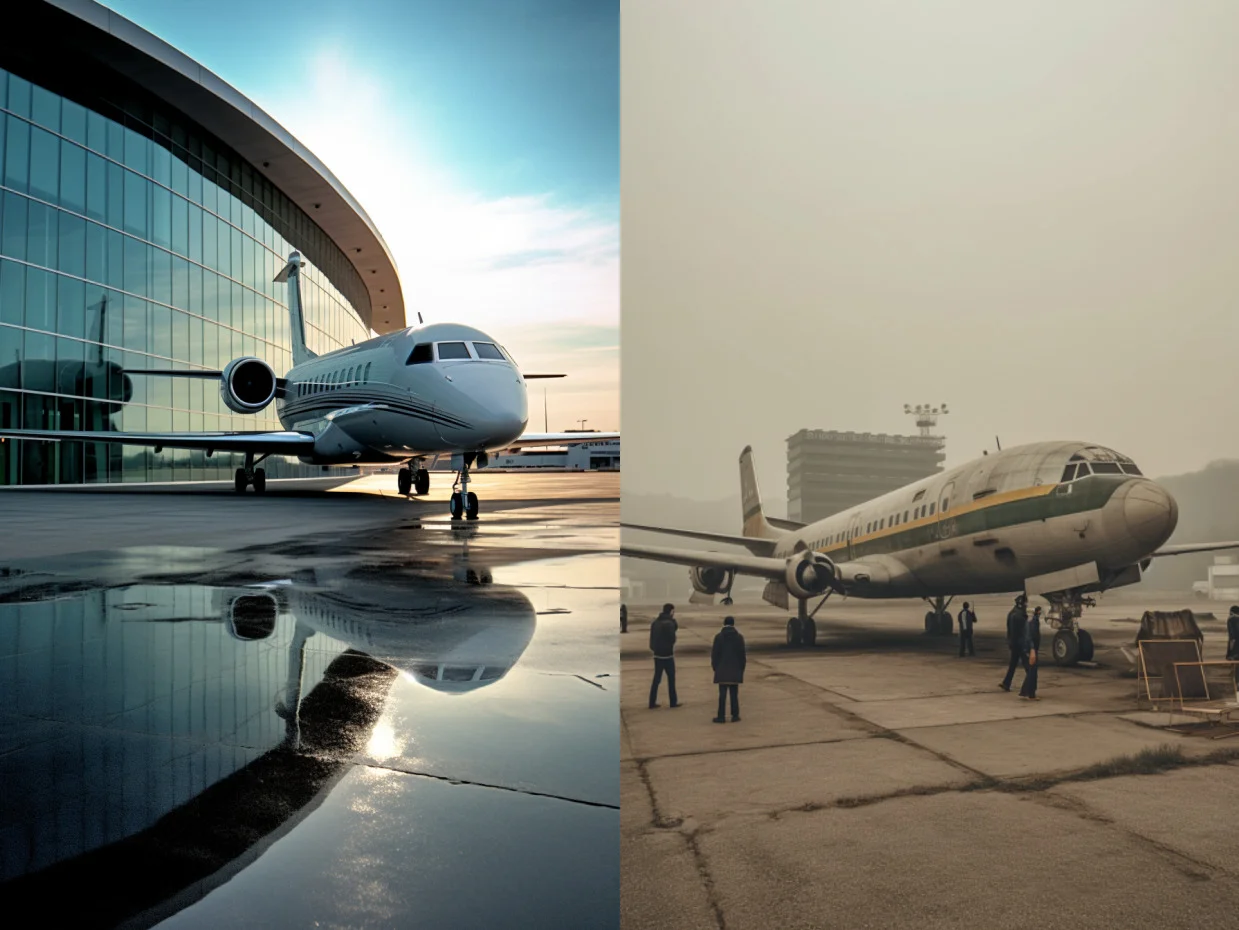
South Korean airports, like Incheon International Airport, are renowned for their efficiency, advanced infrastructure, and state-of-the-art facilities. They emphasize convenience and comfort, offering extensive amenities, entertainment options, and smooth international travel experiences.
Airports in North Korea, such as the Pyongyang Sunan International Airport, serve as gateways connecting the country to the outside world. They feature functional facilities and prioritize the nation's security, maintaining strict regulations and limited access.
5. School Uniforms
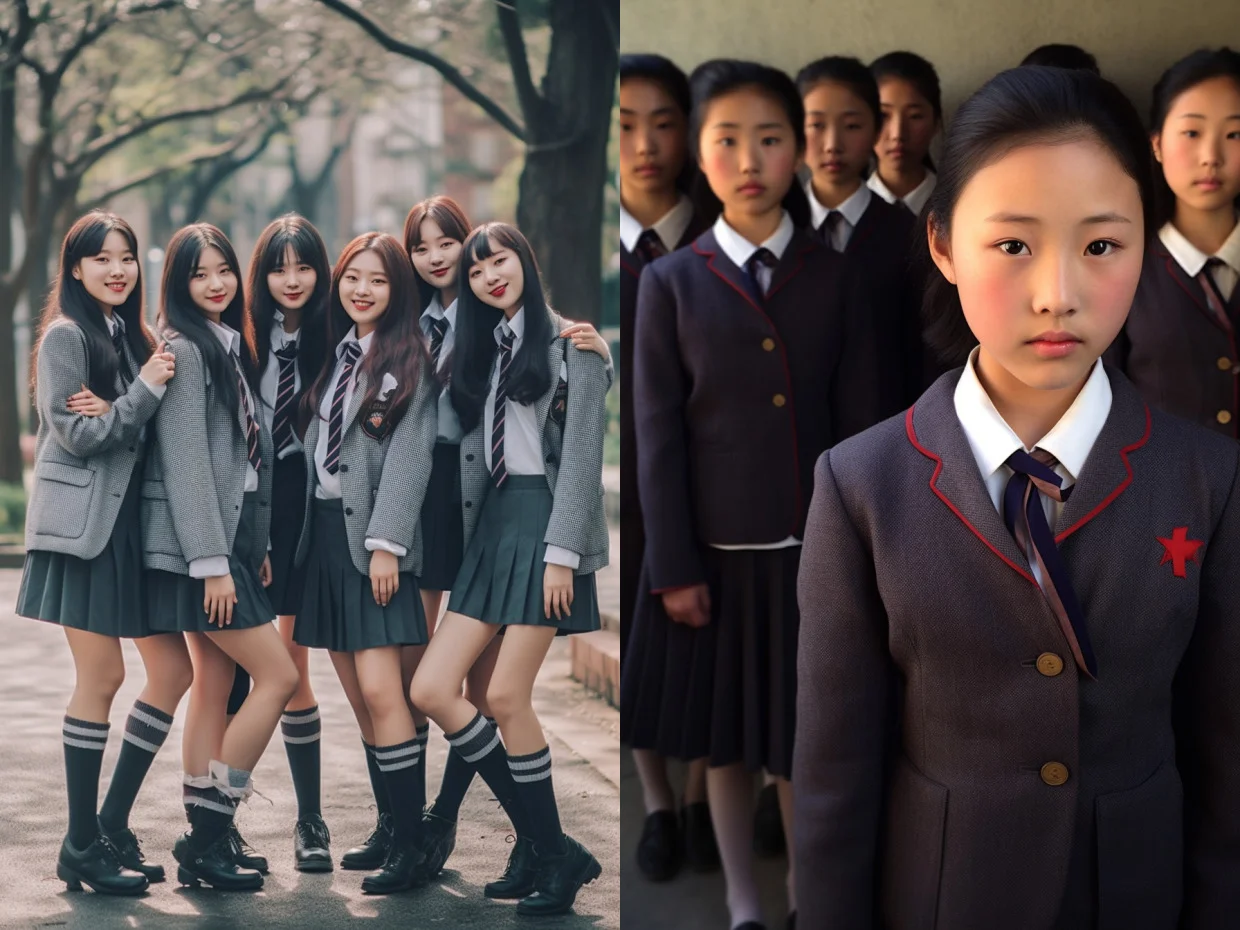
School uniforms in South Korea often exhibit a greater variety of styles, colors, and designs, allowing for individuality and self-expression while adhering to certain dress codes. They reflect the country's emphasis on fashion trends and personal identity among young students.
In North Korea, school uniforms symbolize equality and discipline. Students wear uniforms that reflect their grade level and are expected to maintain a neat appearance, promoting a sense of unity and collectivism within the education system.
6. University Students
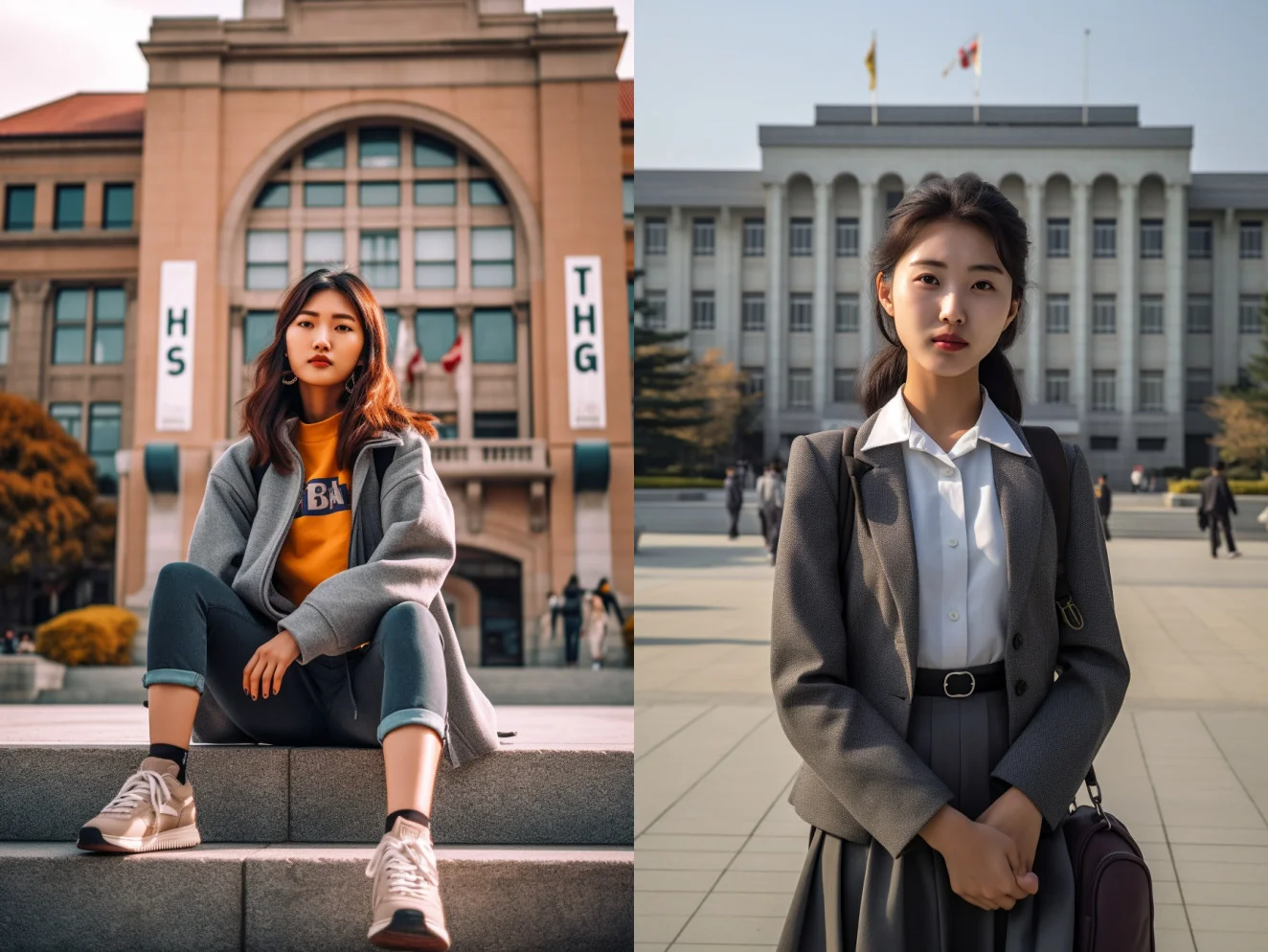
University life in South Korea is characterized by academic excellence, competitiveness, and diverse extracurricular opportunities. Students engage in a wide range of activities, clubs, and social events, emphasizing personal growth, exploration, and preparation for the competitive job market.
University students in North Korea are highly regarded as future leaders and intellectuals. They undergo rigorous academic training and often participate in extracurricular activities that align with the country's ideology, fostering a strong sense of nationalism and commitment to the state.
7. Statues
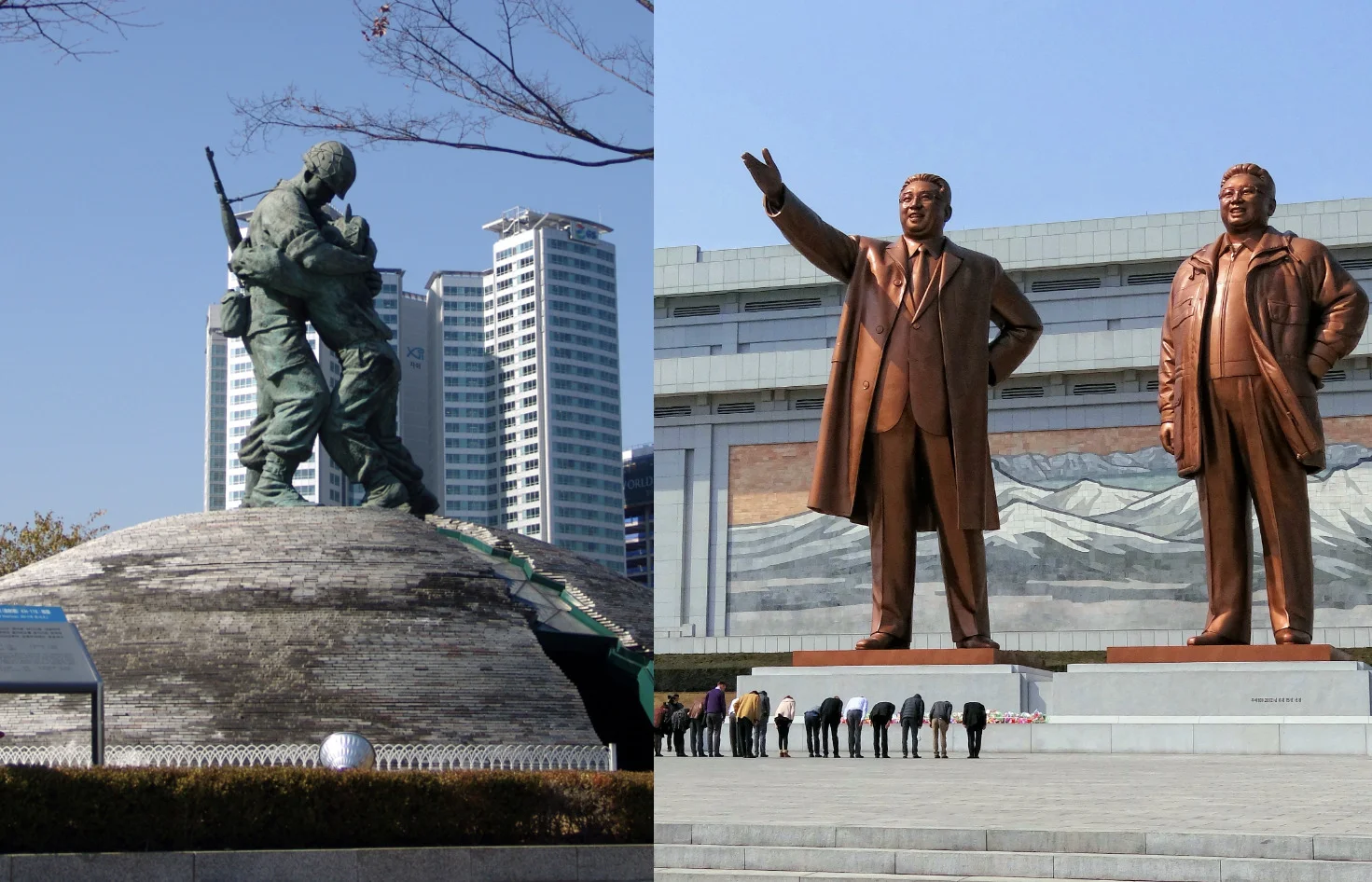
In South Korea, statues often commemorate historical figures, events, or cultural icons. They celebrate the country's democratic values, honor national heroes, and contribute to public art and heritage. Statues can be found in various public spaces, parks, and historical sites, reflecting the diverse narratives and aspirations of the South Korean society.
Statues in North Korea hold great significance as representations of the country's leaders and ideology. Grand statues of leaders like Kim Il-sung and Kim Jong-il are prominent across the nation, serving as symbols of reverence, loyalty, and the perpetuation of the regime's ideals.
8. Villages
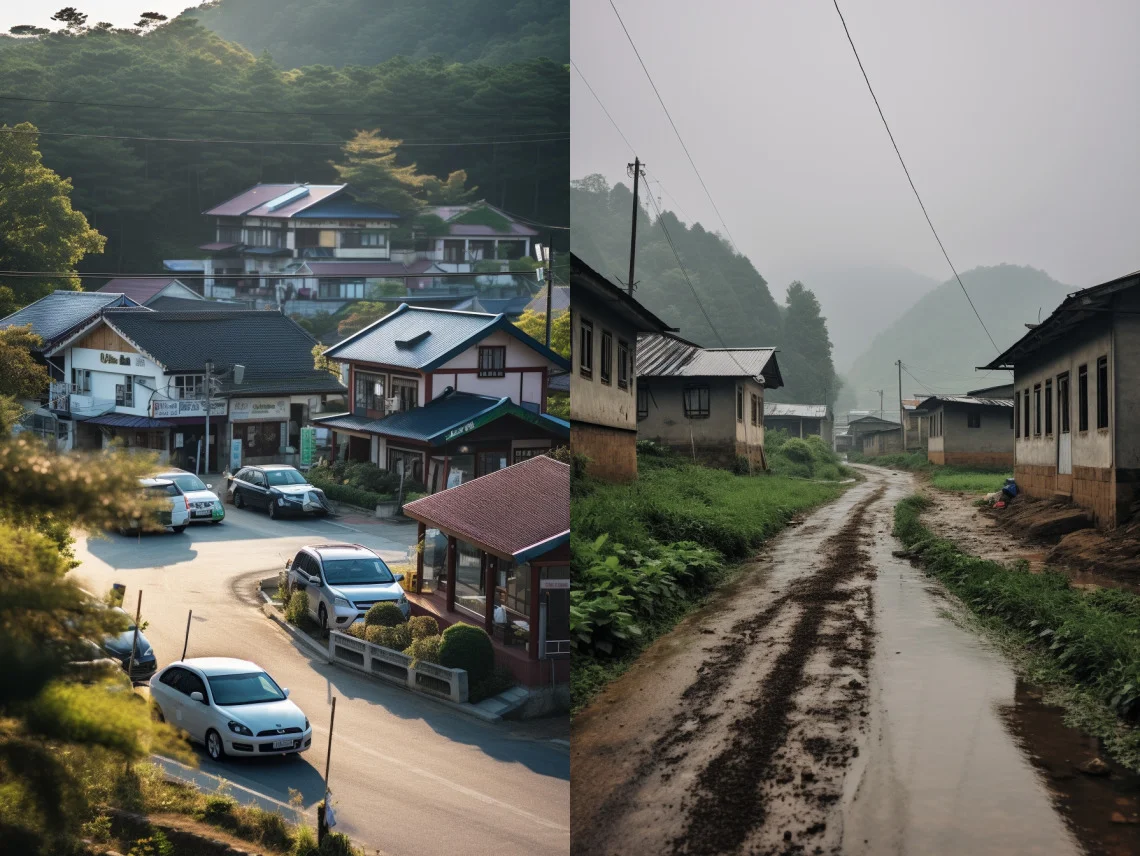
South Korean villages exhibit a blend of traditional and modern elements, reflecting the country's rapid urbanization and modernization. While some villages retain their rural charm and agricultural practices, others have transformed into residential areas with modern amenities, reflecting a balance between tradition and progress.
Villages in North Korea maintain a strong sense of community and collective living. They often adhere to traditional rural lifestyles, with residents engaging in agriculture and closely supporting one another, fostering a communal spirit and social cohesion.
9. Tour Guides
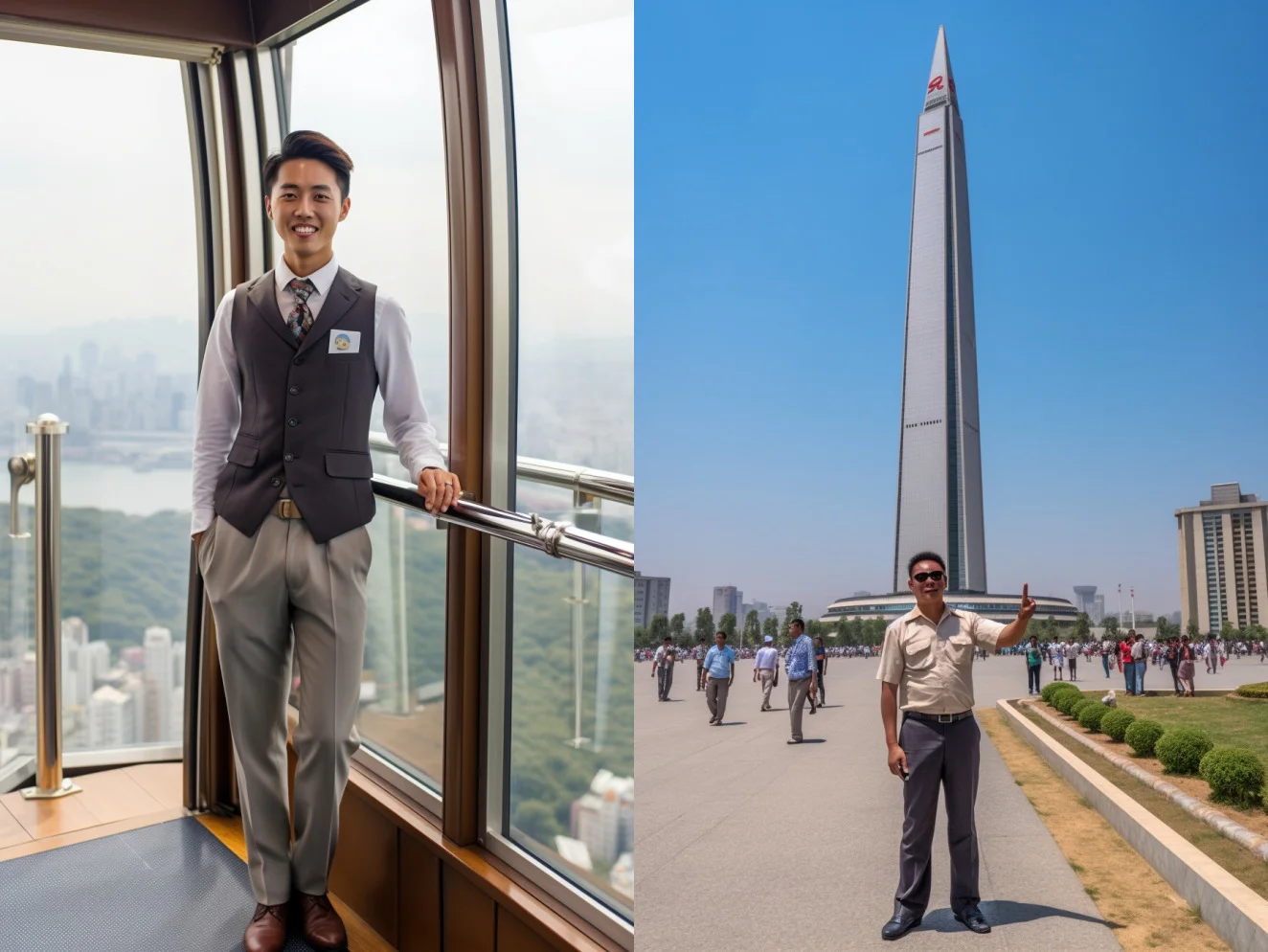
Tour guides in South Korea are ambassadors of the country's rich history, culture, and natural beauty. They provide informative and engaging experiences, highlighting the diversity and unique attractions of the region, and often encouraging visitors to explore beyond the surface and immerse themselves in the local traditions.
Tour guides in North Korea play a crucial role in showcasing the country's achievements, cultural heritage, and political ideology to international visitors. They act as knowledgeable interpreters, offering curated narratives that align with the state's official perspective.
10. Art
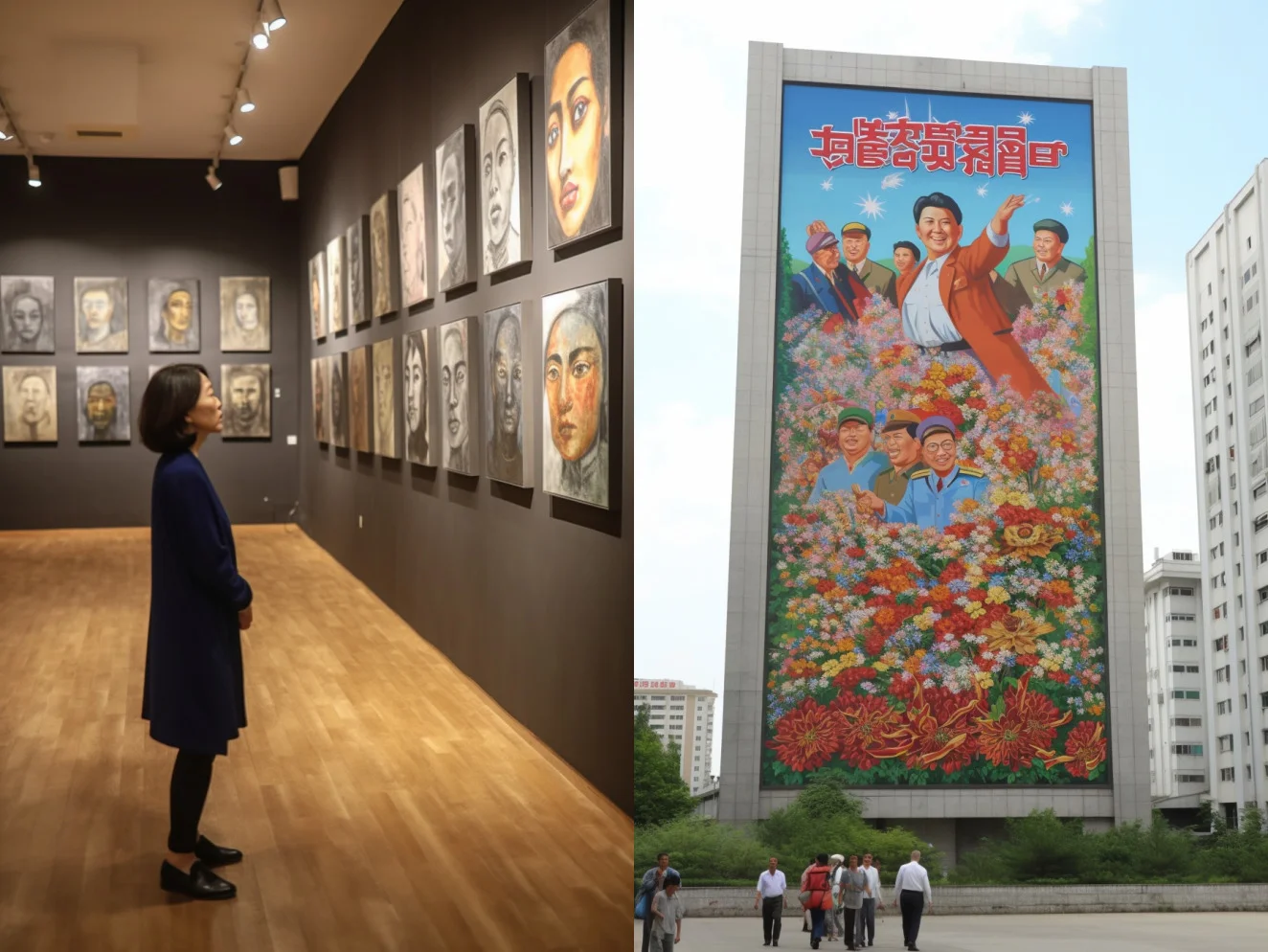
South Korean art encompasses a wide range of styles and themes, reflecting individual creativity, experimentation, and diverse influences. From traditional Korean art forms like calligraphy and pottery to contemporary paintings, sculptures, and multimedia installations, South Korean artists explore personal narratives, social issues, and global trends.
Art in North Korea is heavily influenced by socialist realism and serves as a tool for propaganda, glorifying the regime, and promoting the ideals of the country's leaders. Themes of patriotism, collective work, and loyalty to the state dominate North Korean artistic expressions.
11. Beaches
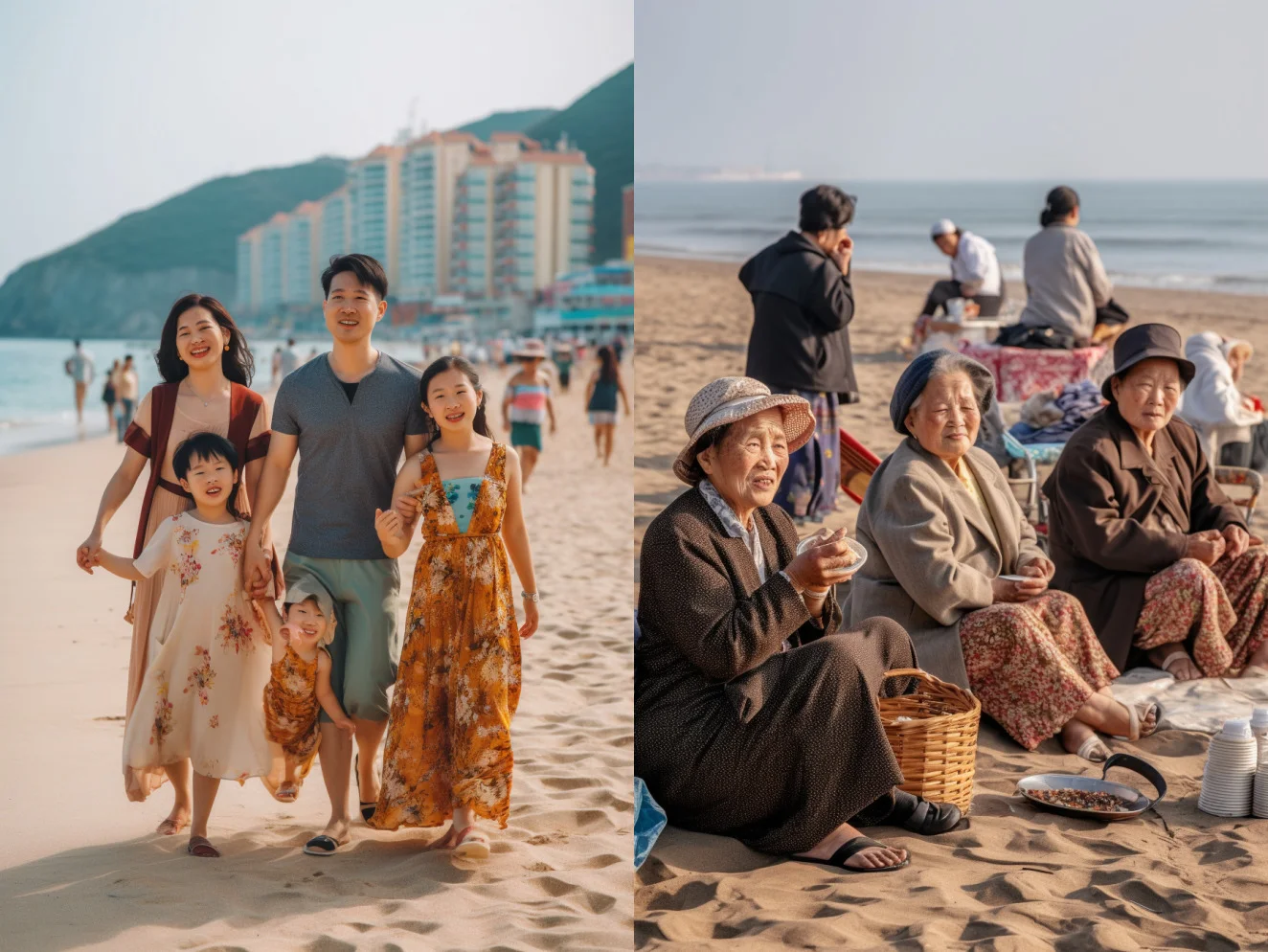
South Korean beaches, like Haeundae Beach in Busan, attract millions of visitors each year, offering a vibrant and energetic atmosphere. They are known for their bustling beachfront culture, water sports, lively festivals, and an array of restaurants and entertainment options, reflecting South Korea's thriving tourism industry and emphasis on leisure and entertainment.
Beaches in North Korea, such as Wonsan Beach, are often presented as serene and pristine locations for leisure and relaxation. They serve as popular destinations for locals, who enjoy activities like swimming, sunbathing, and beachside picnics, highlighting the importance of leisure time in the country's collective ethos.
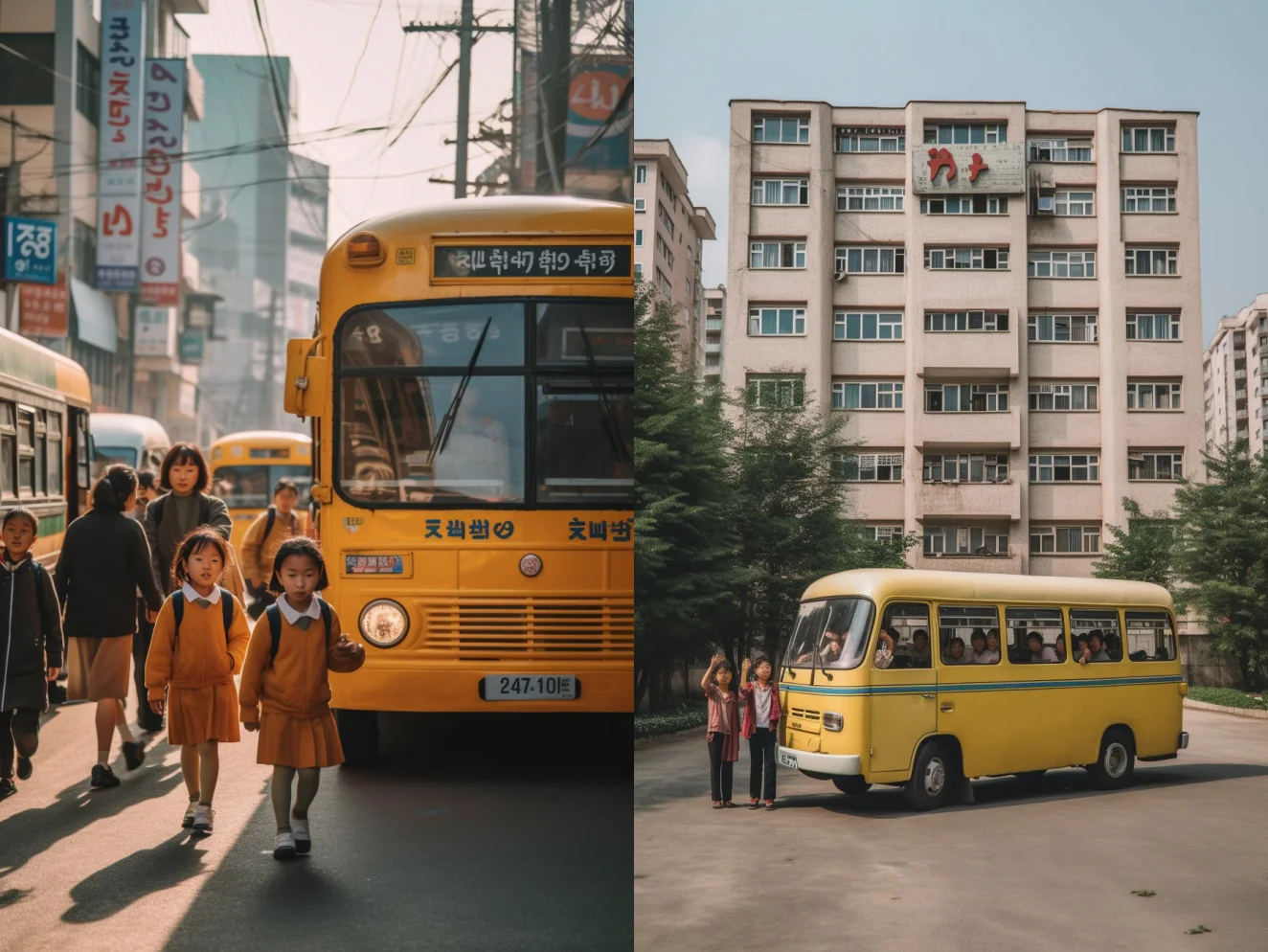
12. School Buses
School buses in South Korea come in various sizes and designs, ranging from standard yellow buses to customized vehicles with vibrant colors and character-themed decorations. They symbolize the importance placed on education and the convenience of transportation, catering to the needs of students across the country.
In North Korea, school buses are often simple and utilitarian, designed to transport students safely to and from school. They represent the state's commitment to education and the provision of essential services, ensuring access to schooling for all children.
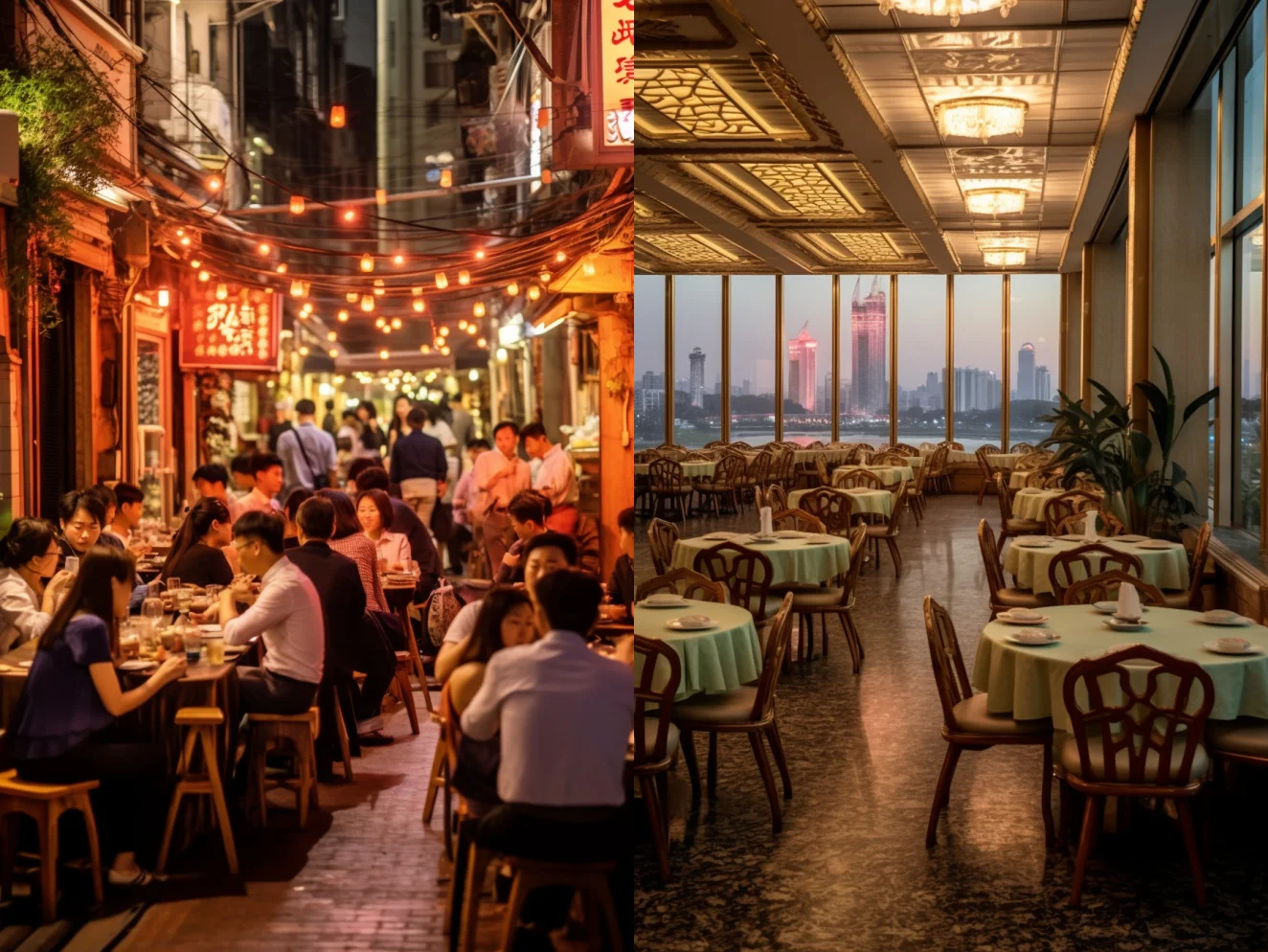
13. Restaurants
South Korean restaurants offer a wide range of dining options, from street food stalls to upscale restaurants. The culinary scene is diverse, encompassing traditional Korean cuisine, international flavors, and trendy fusion dishes. Restaurants focus on providing high-quality food and memorable dining experiences, catering to various tastes and preferences.
Restaurants in North Korea typically emphasize communal dining experiences, with large tables and shared meals. They often serve traditional Korean dishes, showcasing the country's culinary heritage, and strive to create an atmosphere of warmth and hospitality.
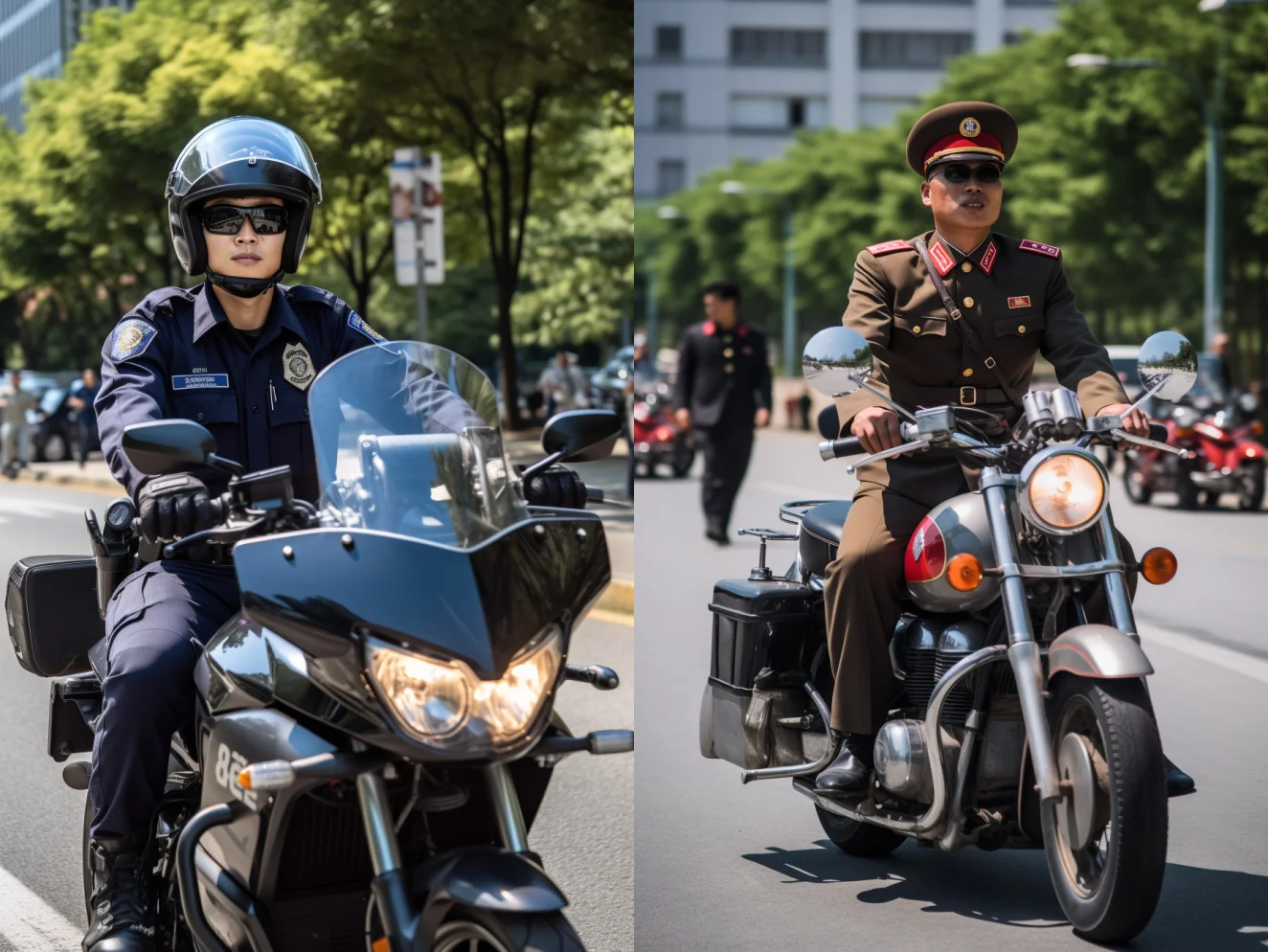
14. Police Officers on Motorcycles
Police officers on motorcycles in South Korea play a vital role in traffic control and public safety. They are visible on the streets, ensuring smooth traffic flow, enforcing regulations, and responding to emergencies. Their presence represents the commitment to maintaining order and protecting the well-being of the community.
Police officers on motorcycles in North Korea symbolize law enforcement and maintaining order within the country. They are often seen as guardians of societal stability and the protection of citizens, carrying out their duties with a sense of discipline and vigilance.
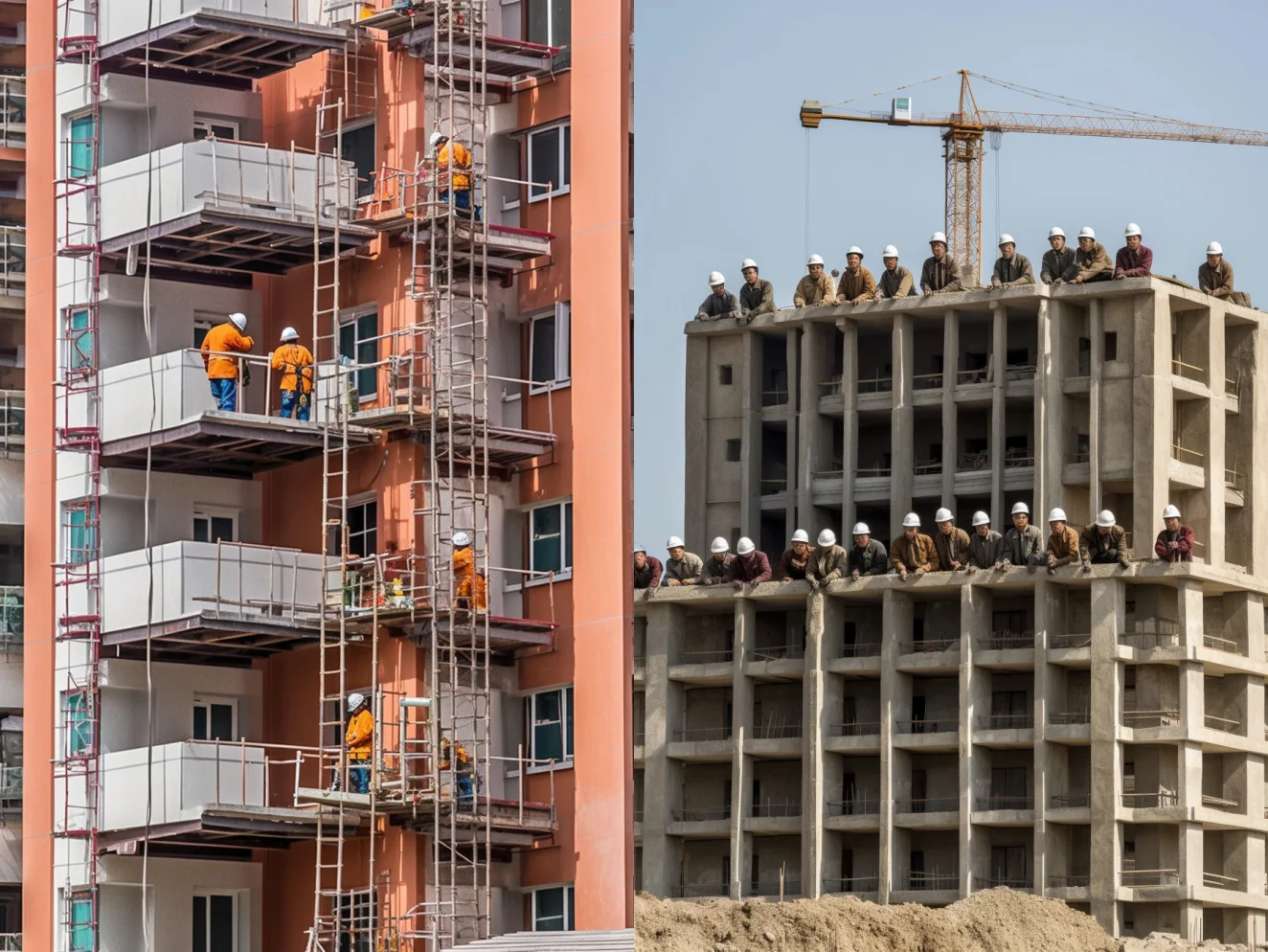
15. Construction Workers
Construction workers in South Korea are integral to the country's rapid urbanization and modernization. They employ advanced construction techniques and technology to erect skyscrapers, bridges, and other architectural marvels. Their expertise and craftsmanship contribute to shaping the urban landscape and reflecting South Korea's economic growth.
Construction workers in North Korea are regarded as crucial contributors to the nation's development and infrastructure projects. They work diligently to build and maintain various structures, embodying the principles of hard work, self-reliance, and collective progress.
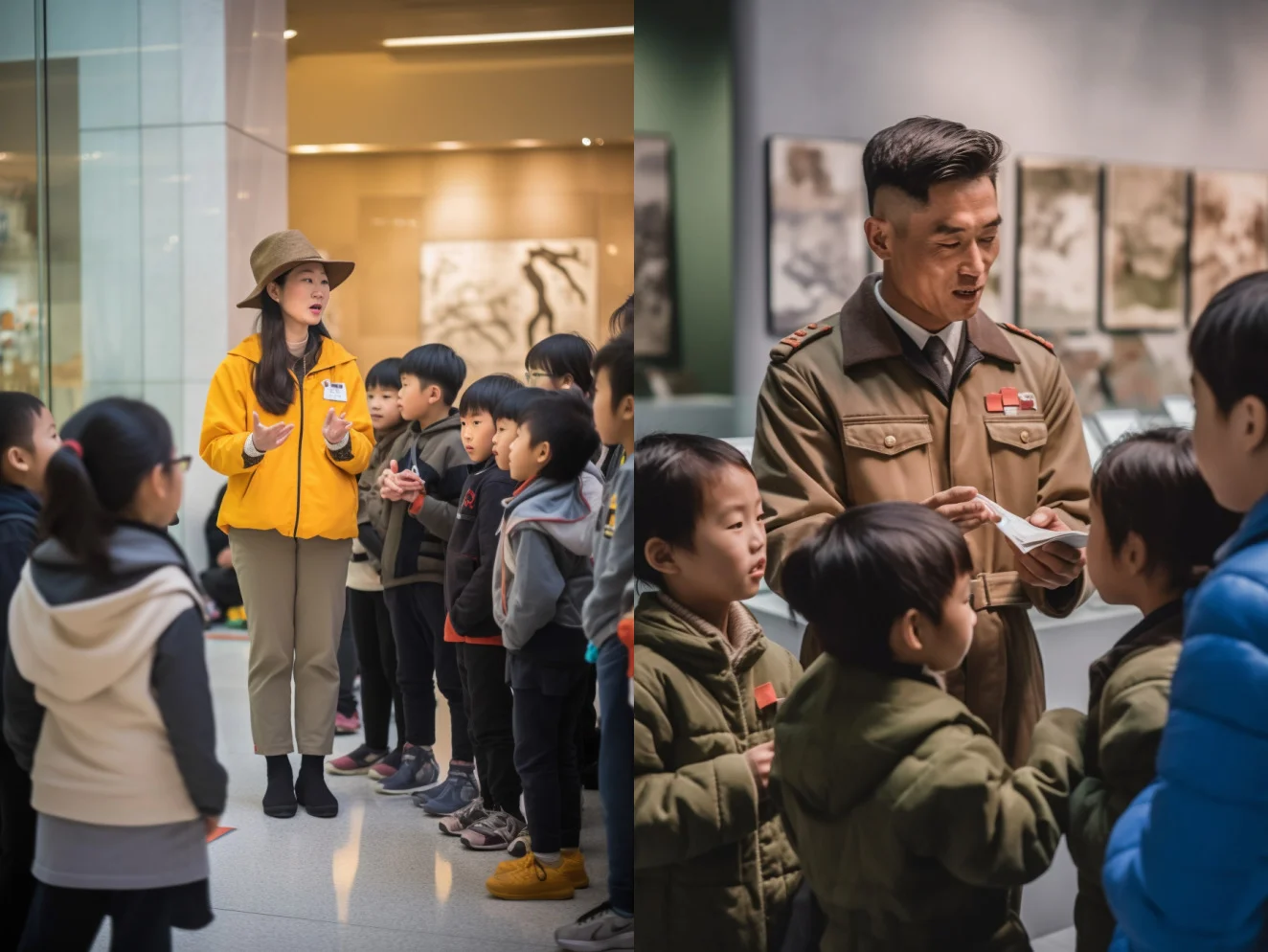
16. Kids Museum Tours
Museum tours for kids in South Korea focus on interactive and educational experiences, encouraging exploration, critical thinking, and a broader understanding of various subjects. Children are exposed to diverse topics, ranging from art and science to history and technology, fostering curiosity and a love for learning.
Museum tours for kids in North Korea are designed to instill a sense of national pride, historical knowledge, and loyalty to the state. Children are guided through exhibits showcasing the country's achievements, revolutionary history, and the contributions of its leaders, fostering a deep connection to the nation.
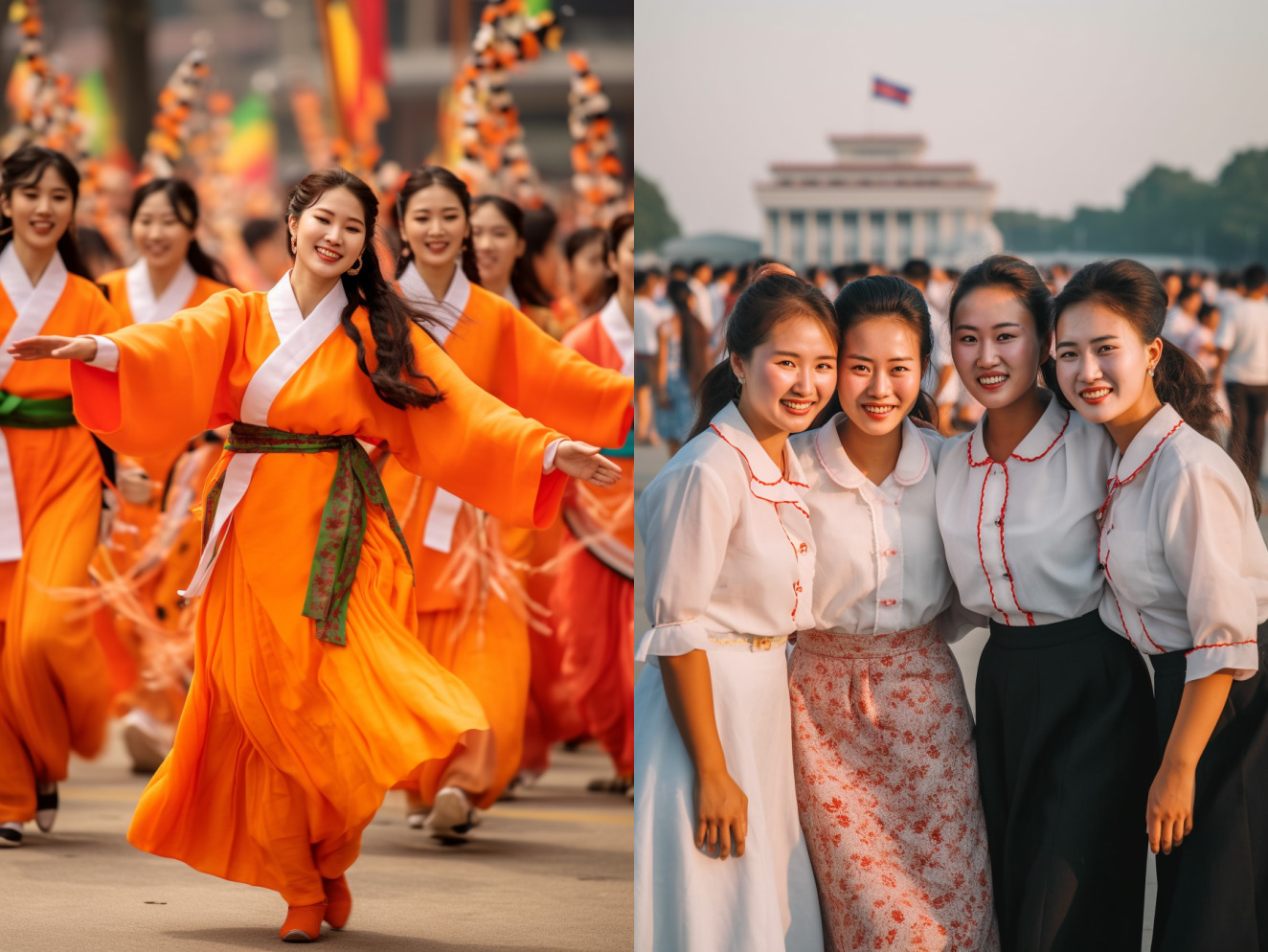
17. Cultural Festivals
Cultural festivals in South Korea encompass a wide range of celebrations throughout the year, each with its unique theme and regional flavors. From colorful lantern festivals to vibrant traditional dance performances, these events showcase the country's rich cultural heritage, artistic expressions, and community spirit.
Cultural festivals in North Korea, such as the Arirang Mass Games, are grand spectacles showcasing synchronized performances, elaborate costumes, and large-scale displays of unity and loyalty. These events celebrate the country's history, ideology, and achievements, fostering a strong sense of national identity.
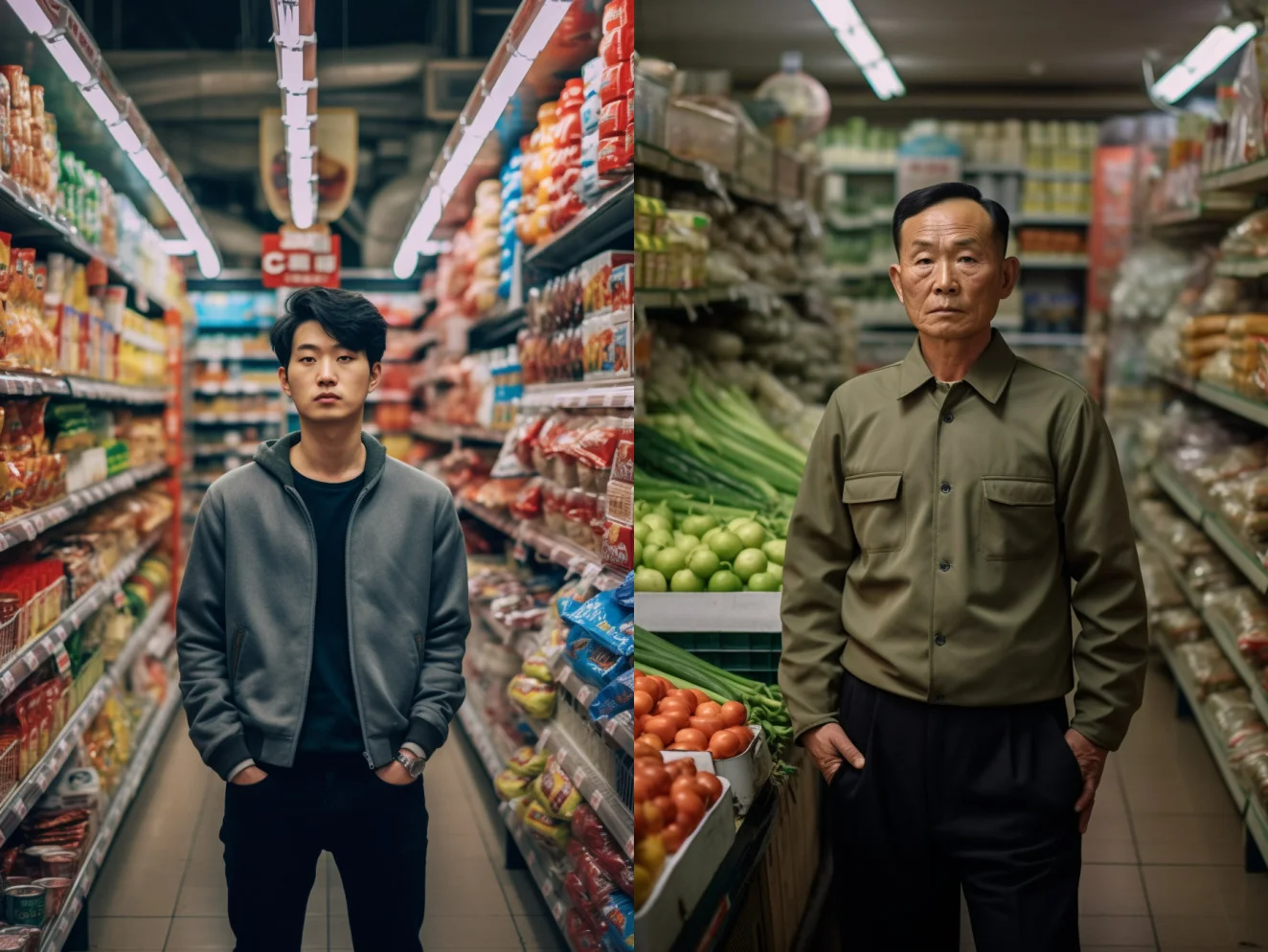
18. Supermarkets
Supermarkets in South Korea are diverse and modern, offering a wide selection of products, including fresh produce, international imports, and local specialties. They provide a convenient and efficient shopping experience, with advanced technology, organized layouts, and a focus on customer satisfaction.
Supermarkets in North Korea serve as essential retail spaces, offering a range of basic commodities and necessities. They prioritize accessibility and affordability, providing essential items to the population while reflecting the country's commitment to self-sufficiency.
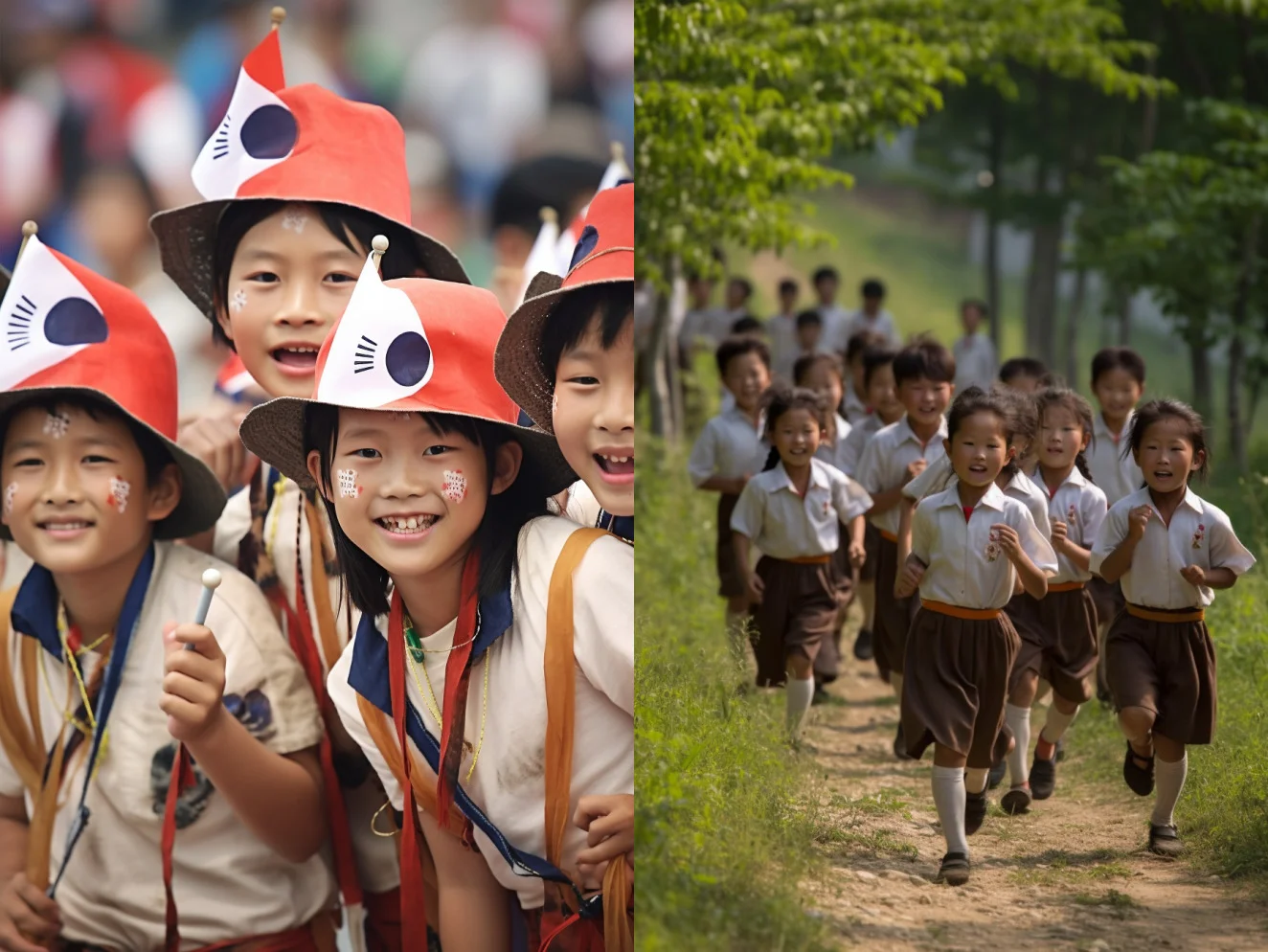
19. Kids Summer Camp
Kids summer camps in South Korea emphasize a holistic approach to child development, encompassing a range of activities such as sports, arts and crafts, outdoor adventures, and educational workshops. They encourage personal growth, teamwork, and individual exploration, providing children with memorable experiences and opportunities for self-discovery.
Kids summer camps in North Korea often focus on ideological education, physical activities, and fostering a sense of camaraderie among participants. Children engage in group games, cultural performances, and political education, promoting loyalty to the state and collective values.
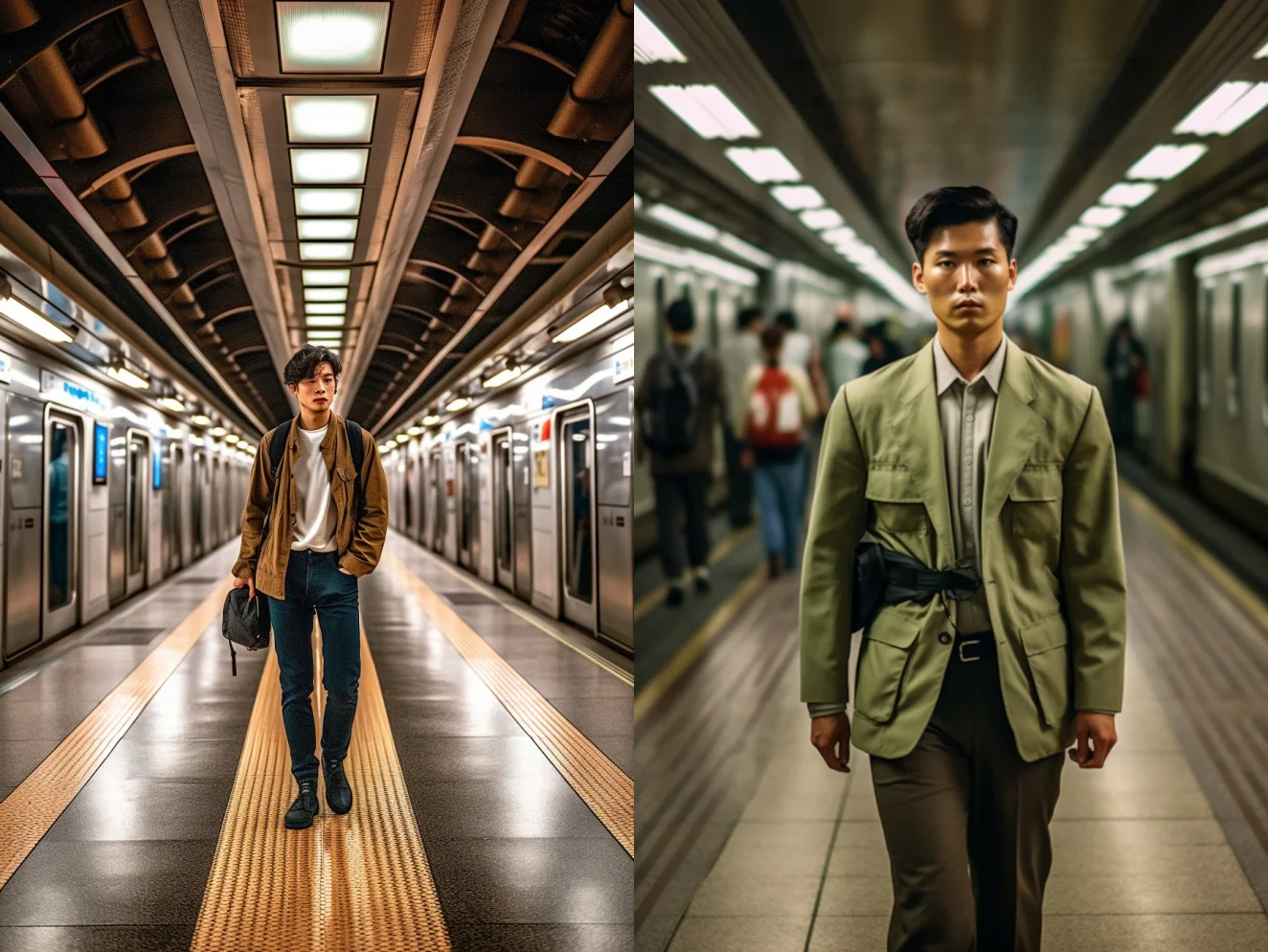
20. Subway
The subway system in South Korea, notably in cities like Seoul, is known for its extensive network, advanced technology, and vibrant atmosphere. Stations are often bustling with commuters, and the subway experience includes modern amenities, digital signage, and convenience for passengers, reflecting the fast-paced urban lifestyle of the country.
The subway system in North Korea, particularly in Pyongyang, serves as a symbol of progress and modernity. It is designed to efficiently transport citizens within the city, featuring clean stations, simple aesthetics, and a functional approach to public transportation.
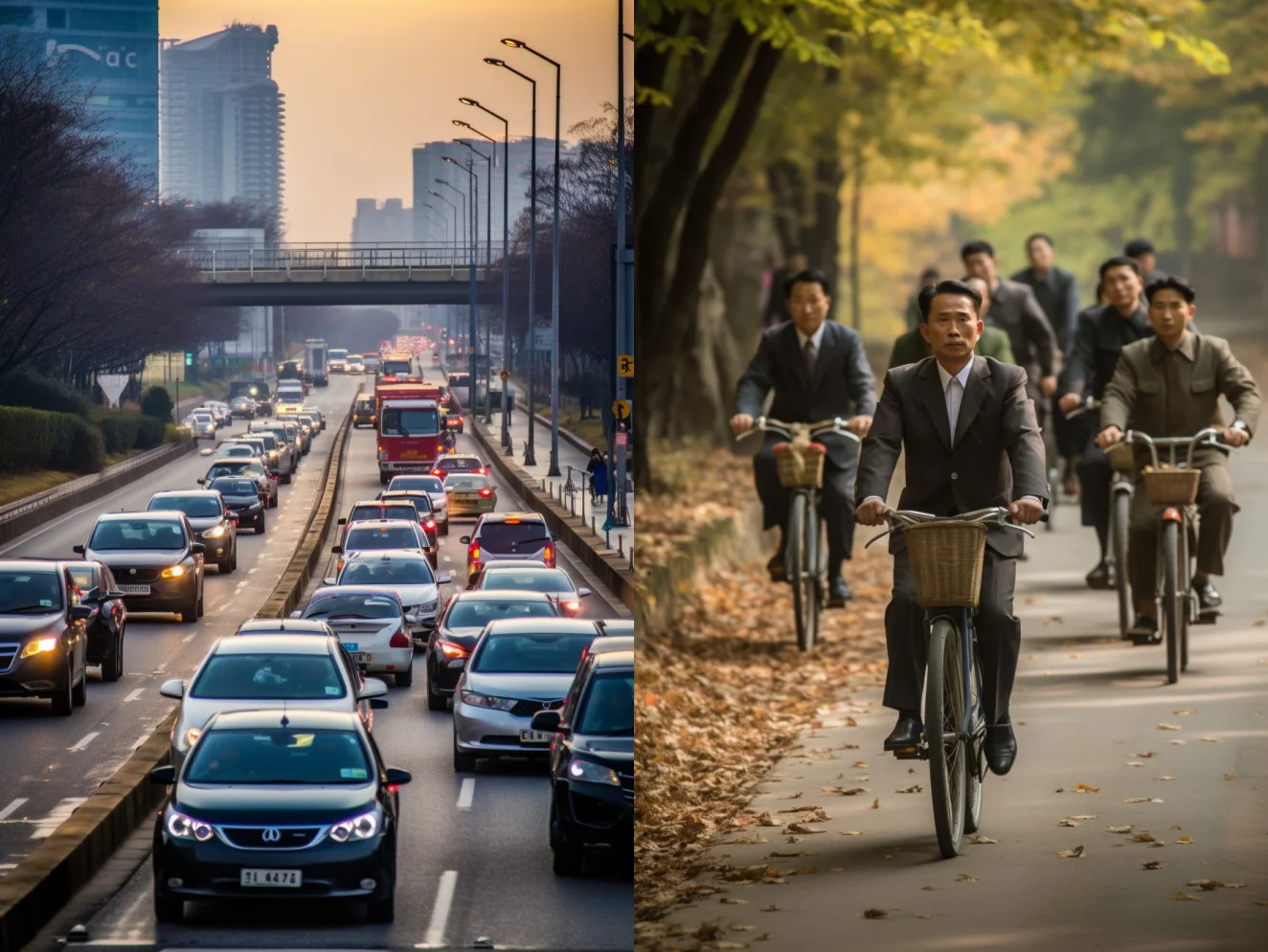
21. Travel to Work
Traveling to work in South Korea encompasses a range of transportation options, including private cars, buses, and trains. Commuters strive for efficiency and personal comfort, with a strong emphasis on punctuality and work-life balance, reflecting the country's dynamic and industrious work culture.
Traveling to work in North Korea often involves a sense of collective responsibility, with workers commuting together, sometimes in organized groups. The focus is on punctuality, discipline, and the fulfillment of duties for the betterment of the country.
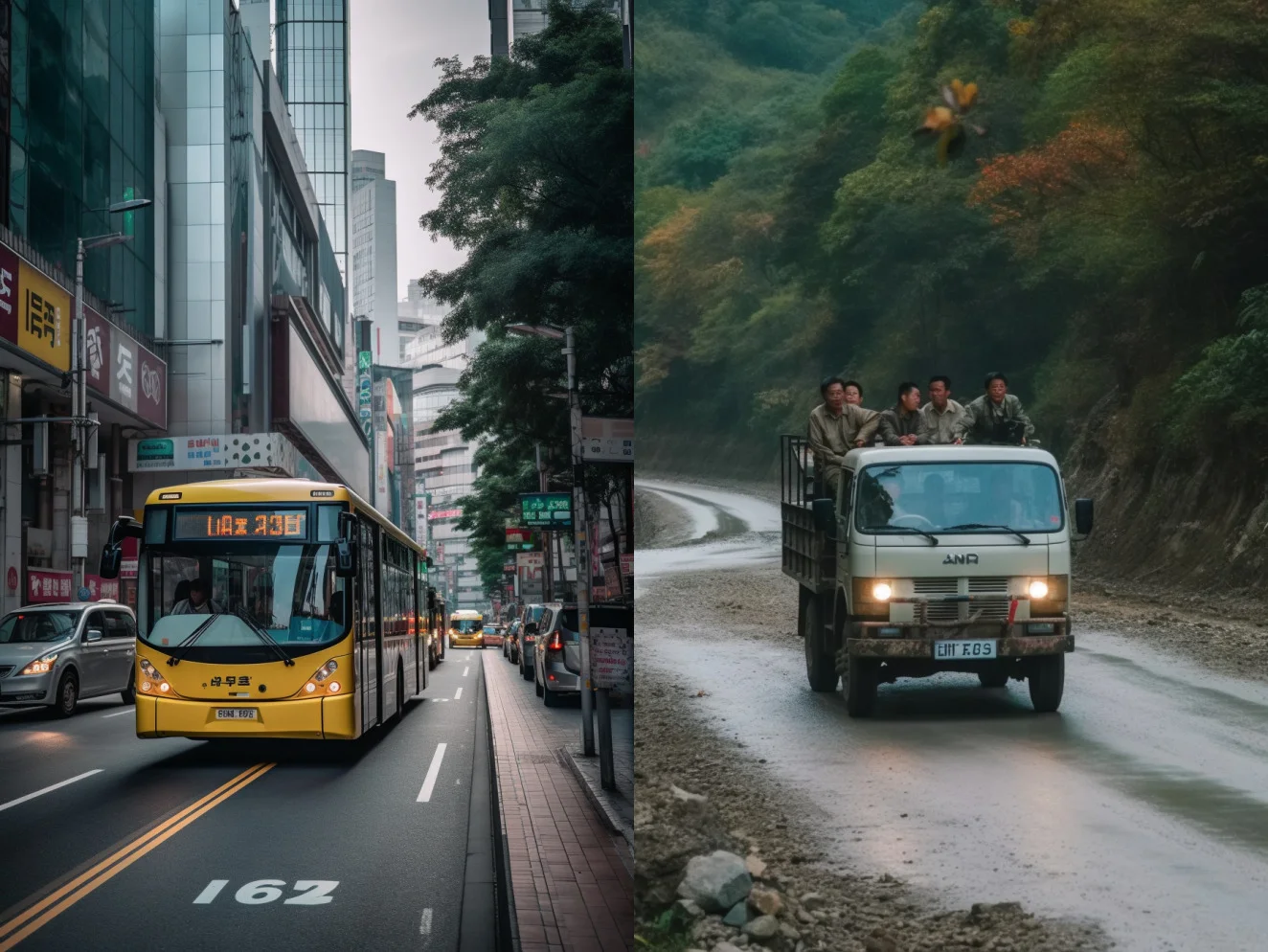
22. Public Transport
Public transport in South Korea is highly developed and efficient, encompassing buses, trains, and subways. It provides extensive coverage, integrated systems, and seamless connectivity, allowing for convenient travel within and between cities. The emphasis is on accessibility, comfort, and environmentally friendly modes of transportation.
Public transport in North Korea, such as buses and trams, primarily serves as a means of transportation for the general population. It focuses on accessibility, affordability, and fulfilling the transportation needs of citizens across the country.
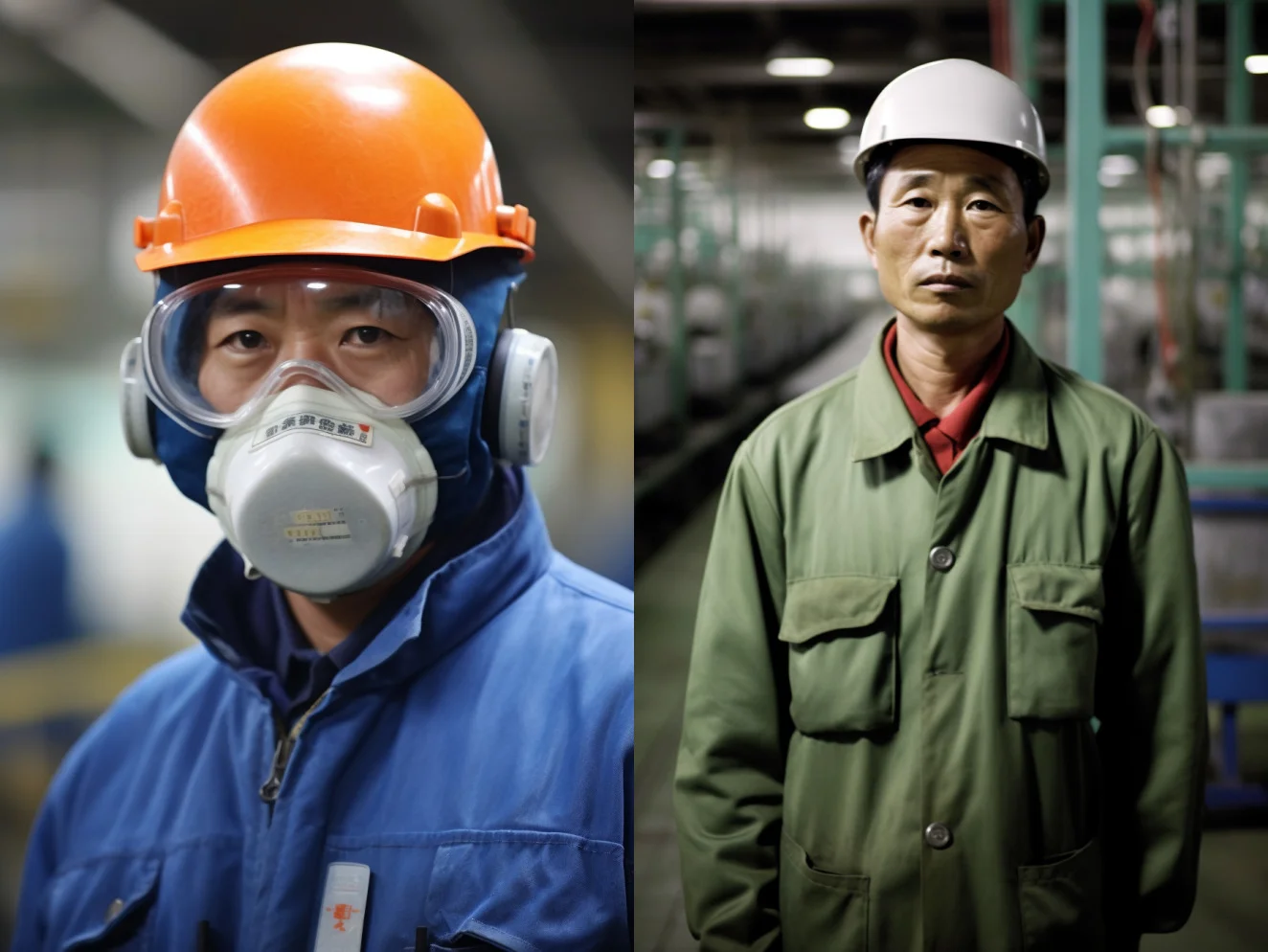
23. Factory workers
Factory workers in South Korea operate within a highly industrialized and technologically advanced environment. They are skilled professionals, employing advanced manufacturing techniques and working in a competitive market. Emphasis is placed on efficiency, quality control, and innovation in production processes.
Factory workers in North Korea are seen as essential contributors to the nation's industrial development and economic self-sufficiency. They embody a strong work ethic, discipline, and dedication to collective progress, often working in state-owned factories or cooperative enterprises.
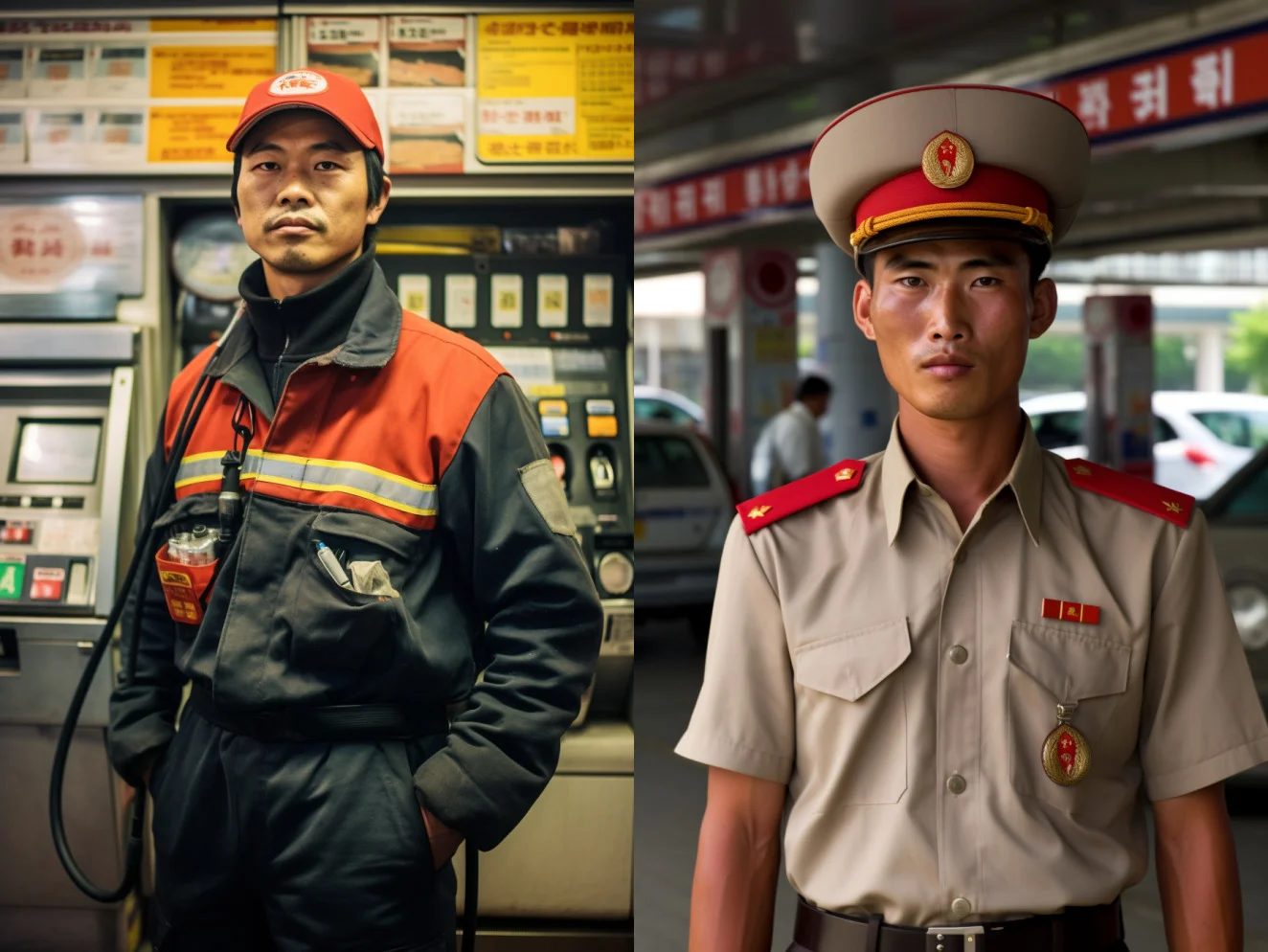
24. Gas Station Clerks
Gas station clerks in South Korea offer a customer-centric experience, providing fueling services, vehicle maintenance assistance, and convenience store amenities. They prioritize customer satisfaction, efficiency, and professionalism, reflecting the country's service-oriented culture and dedication to customer experience
Gas station clerks in North Korea play a vital role in providing fuel and ensuring smooth operations at gas stations across the country. They carry out their duties with a sense of responsibility, adhering to regulations, and contributing to the nation's transportation infrastructure.
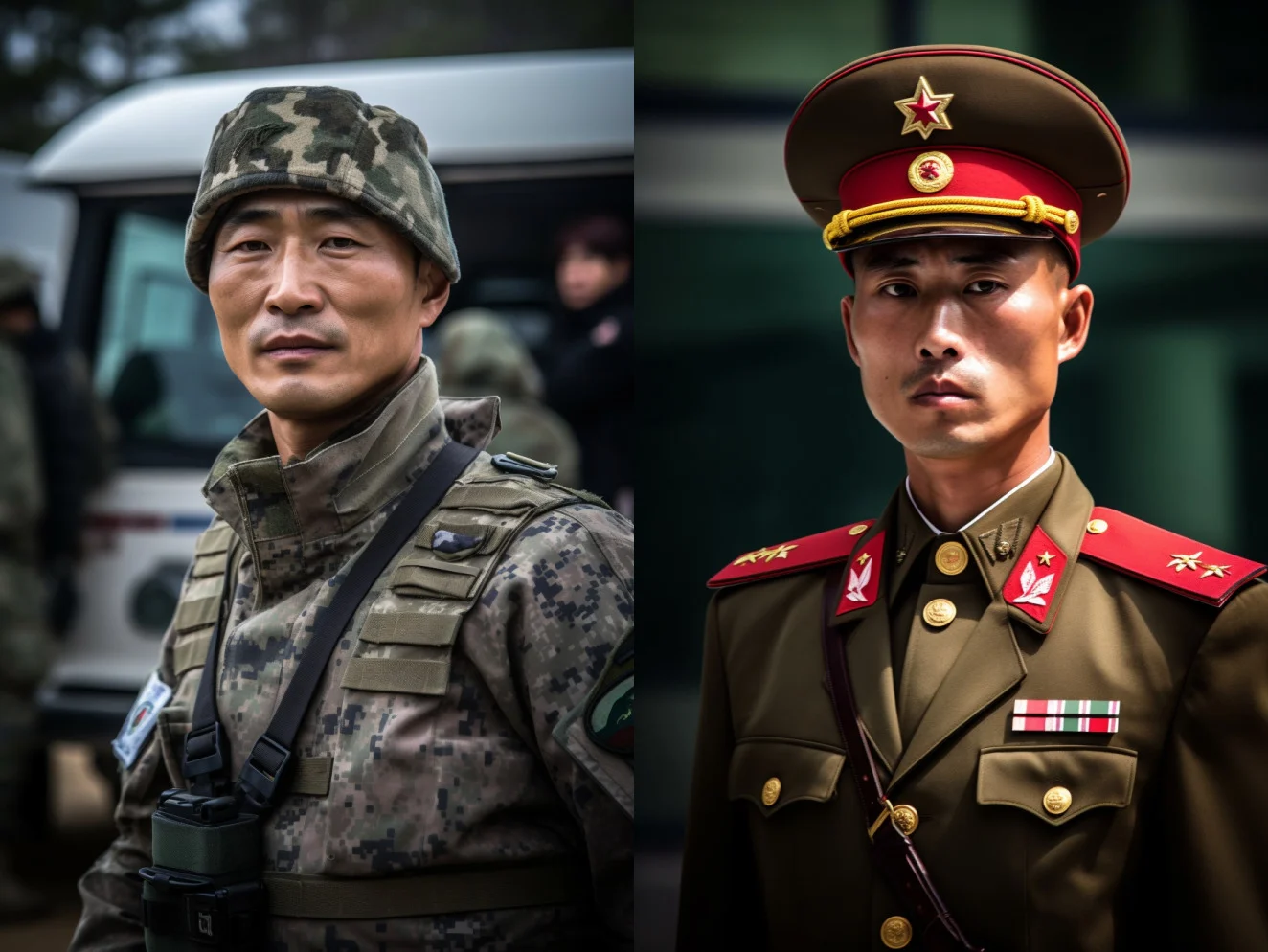
25. Military Officers
Military officers in South Korea serve as guardians of national security and defenders of democratic values. They undergo rigorous training and demonstrate professionalism, leadership, and a deep sense of duty. The military is viewed as an essential institution, ensuring peace and stability within the country.
Military officers in North Korea hold a significant role in the country's defense forces. They embody loyalty, discipline, and a strong commitment to safeguarding the nation's sovereignty. Military service is highly esteemed, and officers are expected to exemplify leadership and patriotism.
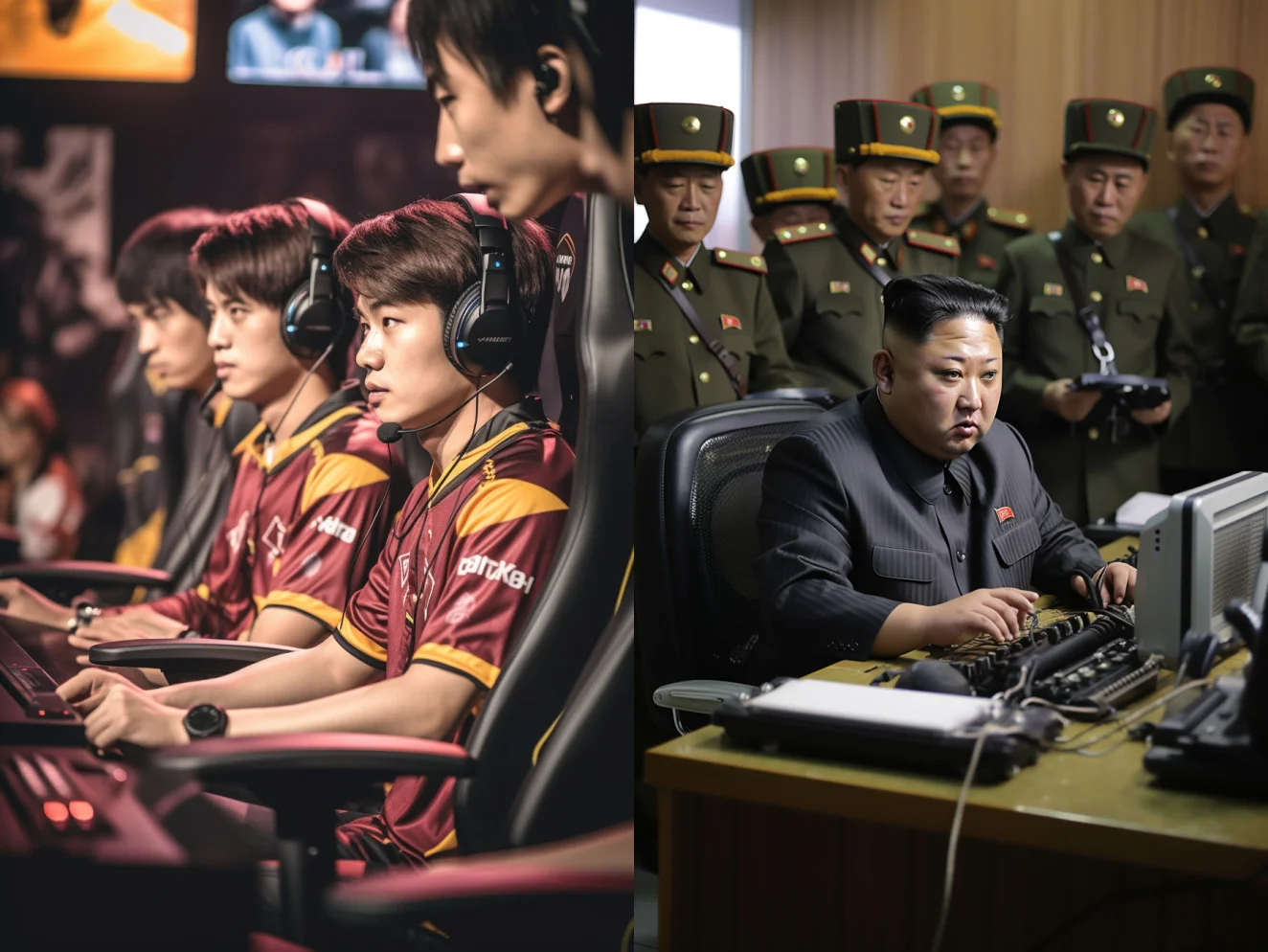
26. Computers
Computers in South Korea are widely accessible and integrated into various aspects of daily life. They are used for work, education, entertainment, and personal communication. South Korea has a strong focus on technology, with advancements in hardware, software, and digital infrastructure shaping the country's technological landscape.
Computers in North Korea primarily serve official purposes, with access often limited to government organizations, educational institutions, and certain approved entities. They are used for administrative tasks, research, and communication, aligned with the state's priorities and ideological control.
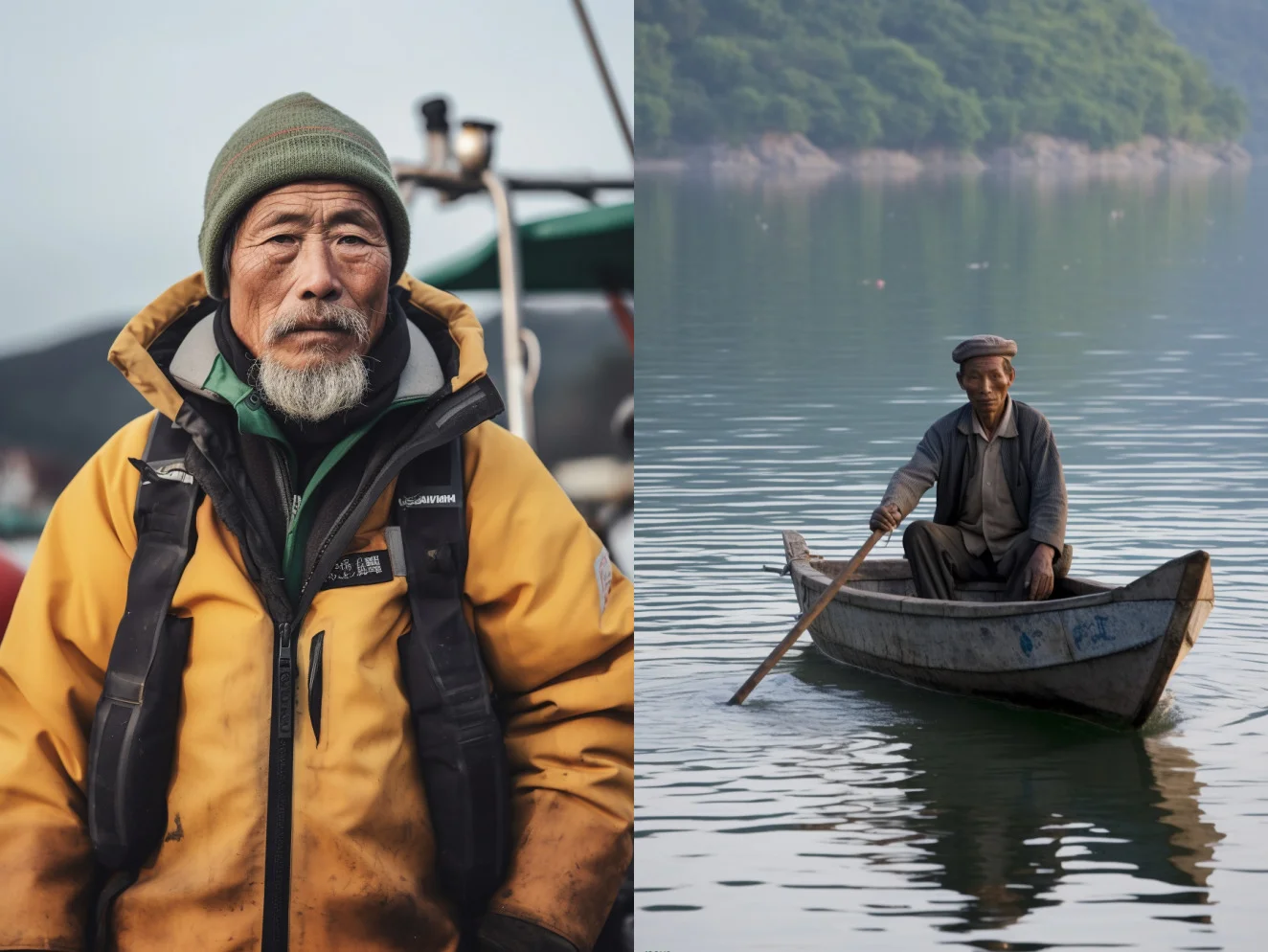
27. Fishermen
Fishermen in South Korea engage in both traditional and modern fishing practices, utilizing advanced equipment and techniques. They operate in coastal regions and contribute to the country's thriving fishing industry, which encompasses local consumption, export, and aquaculture. Fishing is considered an important economic sector and a cultural tradition.
Fishermen in North Korea play a vital role in the country's seafood industry, contributing to food security and the economy. They often employ traditional fishing methods and operate in coastal areas, embodying self-reliance, perseverance, and resilience in their work.
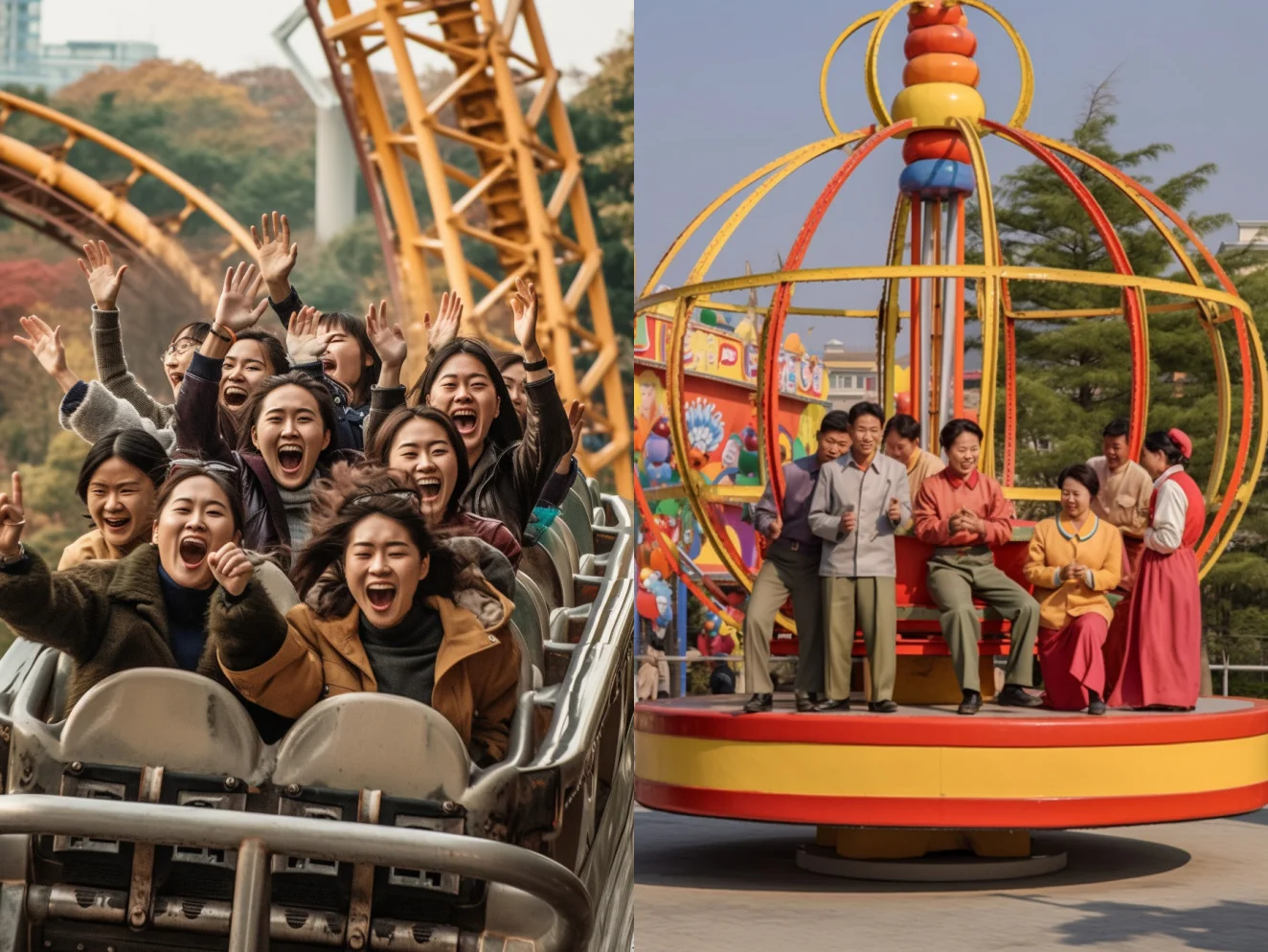
28. Amusement Parks
Amusement parks in South Korea are known for their thrilling rides, immersive experiences, and entertainment spectacles. They cater to a wide range of interests and age groups, featuring themed attractions, live performances, and cutting-edge technology, providing a memorable and exciting experience for visitors.
Amusement parks in North Korea, such as the Mangyongdae Funfair, provide recreational spaces for families and the local community. They offer a range of attractions, rides, and games, promoting leisure time, social interaction, and collective enjoyment.
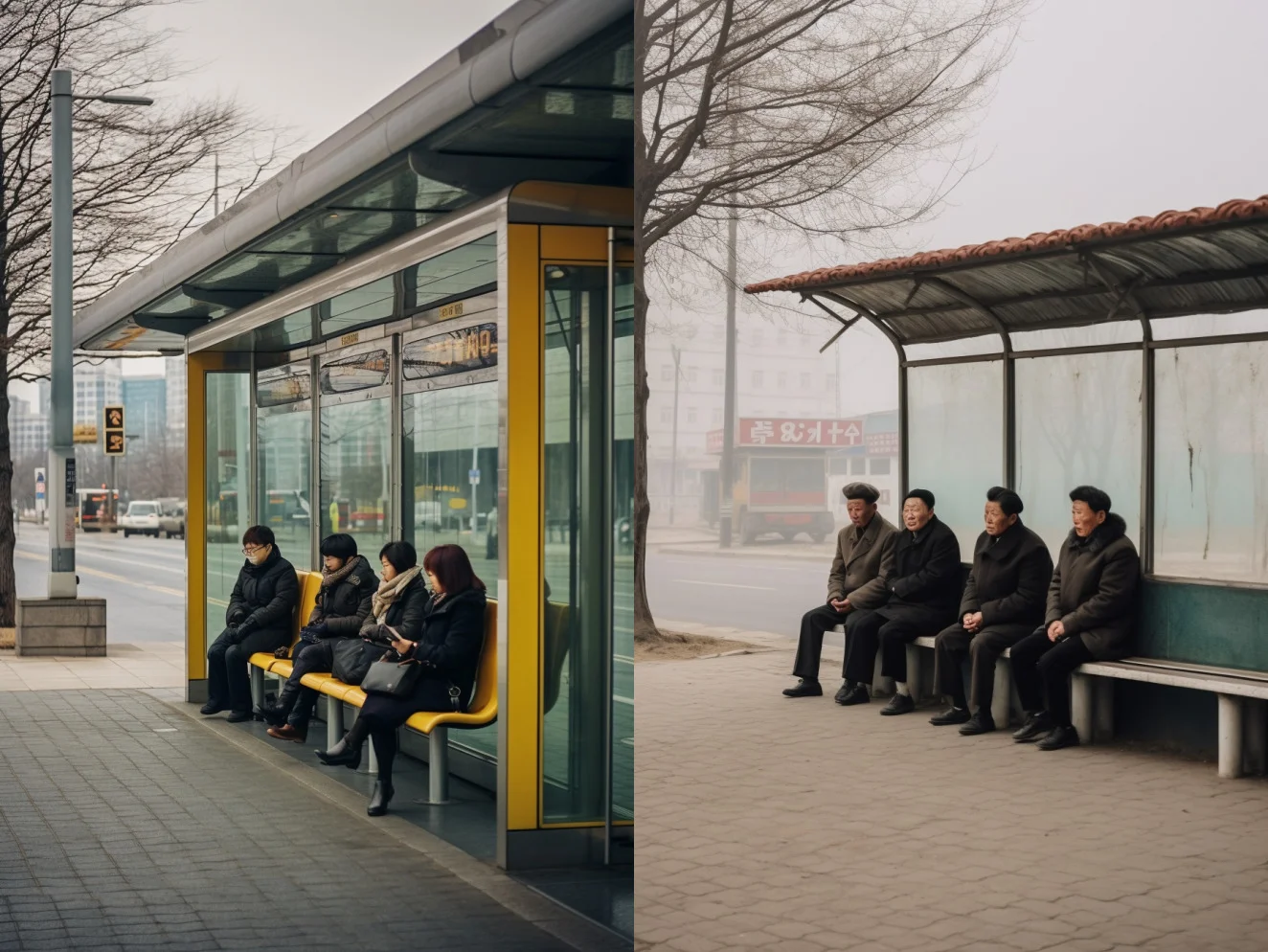
29. Bus Stops
Bus stops in South Korea are well-organized, equipped with digital displays, and provide real-time bus arrival information. They prioritize convenience, comfort, and accessibility, offering seating areas, shade, and amenities for commuters, reflecting the country's efficient public transportation system.
Bus stops in North Korea are designed to provide shelter and facilitate organized boarding and disembarking of passengers. They are often marked with signage and serve as points of public transportation coordination within local communities.
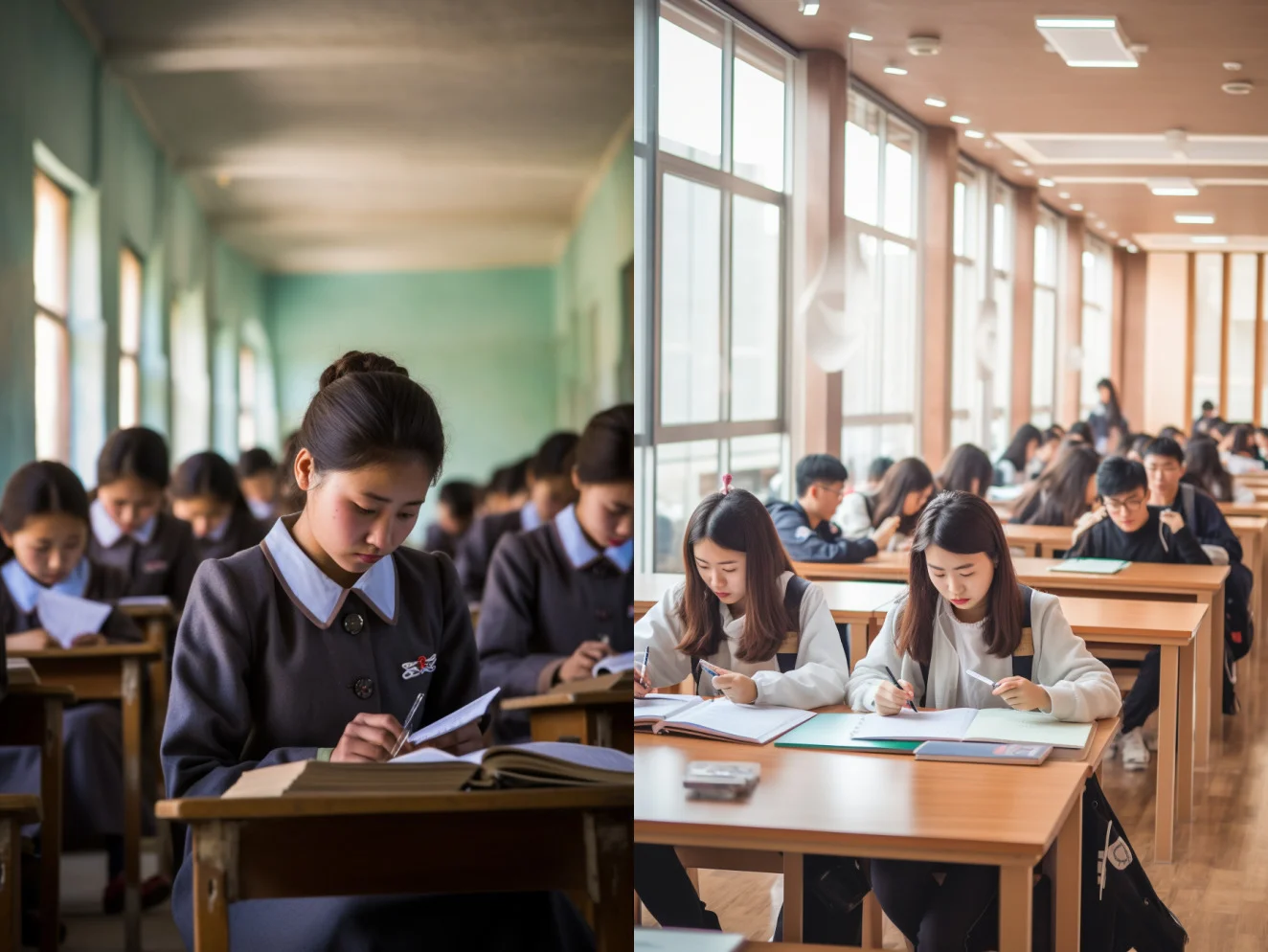
30. Elementary School
Elementary schools in South Korea provide comprehensive education, encompassing core subjects, arts, physical education, and character development. They emphasize critical thinking, creativity, and holistic learning, preparing students for academic excellence and personal growth. Education is highly valued, and schools strive to provide a nurturing and supportive environment for students.
Elementary schools in North Korea prioritize ideological education, instilling loyalty to the state, and a strong sense of collective identity. Curriculum focuses on subjects aligned with the country's values, with an emphasis on discipline, obedience, and core academic knowledge.
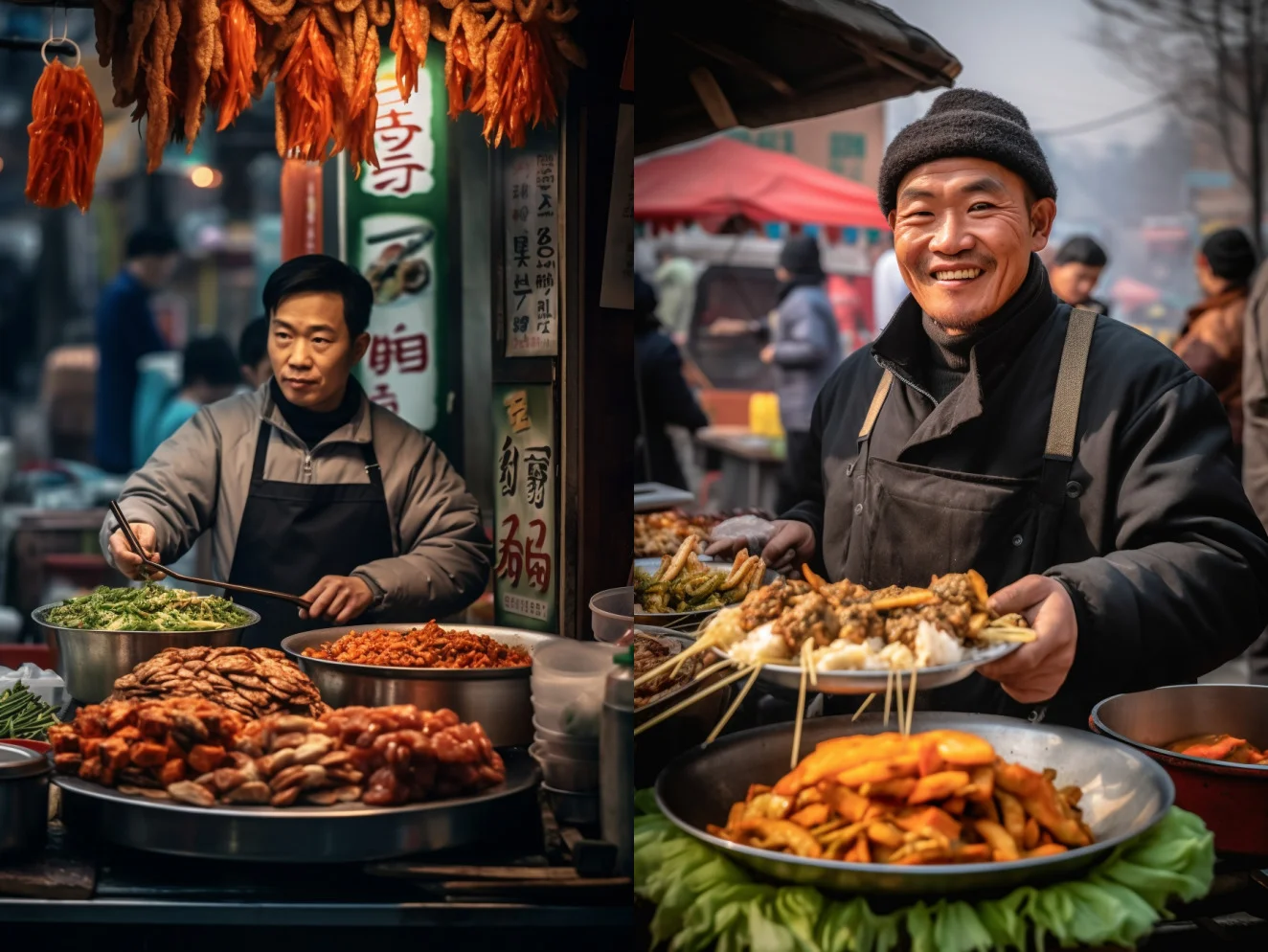
31. Street Food
Street food in South Korea is renowned for its diverse and vibrant offerings. Food stalls line the streets, serving popular snacks like tteokbokki, fried chicken, and bingsu. Street food culture is celebrated, with bustling markets and festivals dedicated to showcasing the country's culinary delights.
Street food in North Korea consists of simple and affordable options, reflecting the emphasis on practicality and accessibility. Local vendors offer a variety of snacks and traditional dishes, providing sustenance for the population and fostering a sense of community through shared culinary experiences.
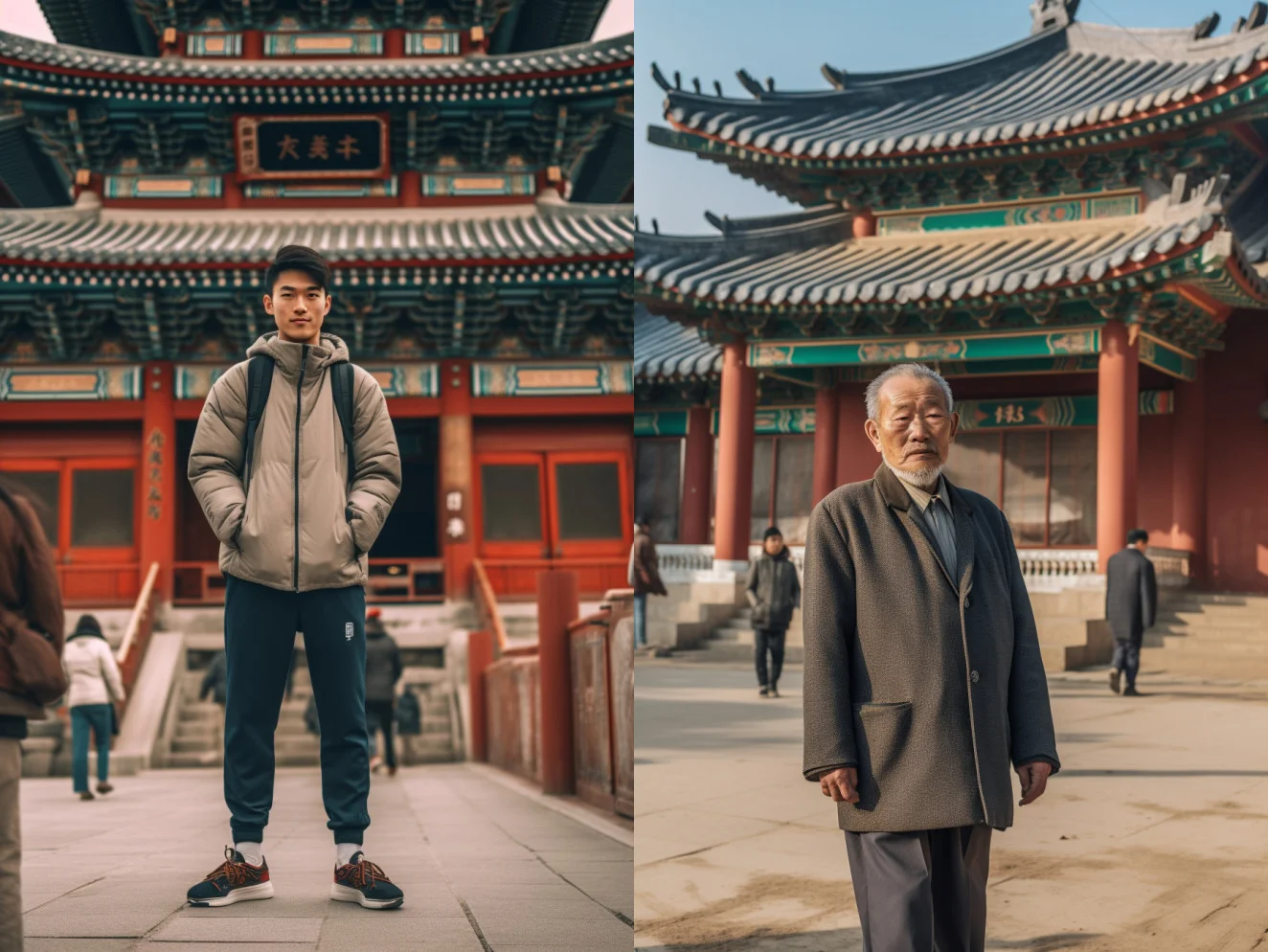
32. Temples
Temples in South Korea hold significance for both religious and cultural purposes. They are places of worship, where Buddhists engage in rituals and seek spiritual enlightenment. Temples also attract tourists and visitors who appreciate the serene beauty of the temple grounds and architectural wonders.
North Korea is an atheist state where public religion is discouraged. However there are some Temples in North Korea, often associated with Buddhism. They used to serve as centers for meditation, reflection, and religious practices, reflecting the country's historical and cultural ties to Buddhism.
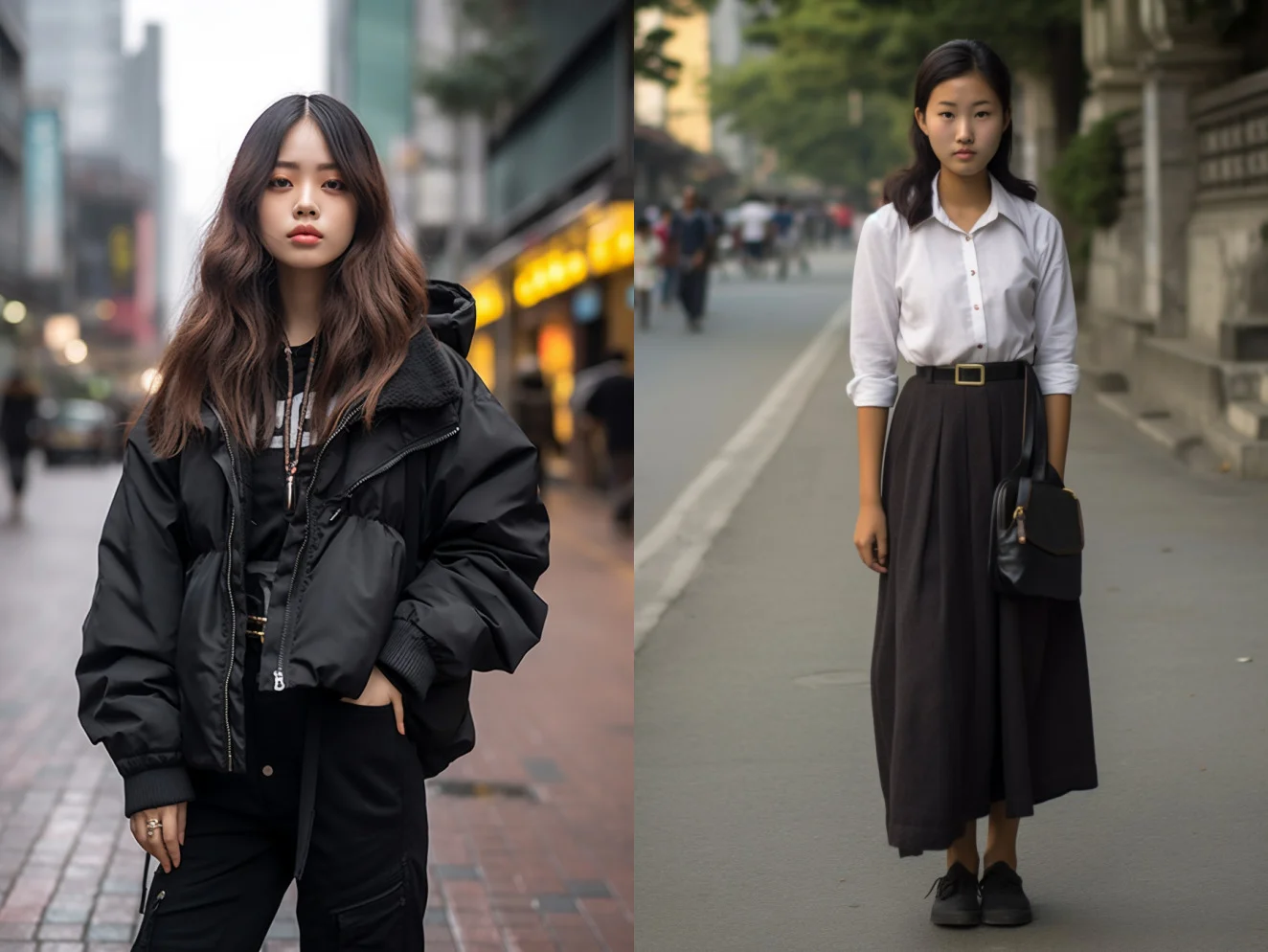
33. Street Fashion
Street fashion in South Korea is characterized by its trendiness and diversity. Influenced by K-pop, fashion subcultures, and global trends, South Koreans embrace individuality and experiment with various styles. Fashion districts like Myeongdong in Seoul showcase a vibrant mix of high-end fashion, streetwear, and unique accessories.
Street fashion in North Korea tends to be modest and practical, with an emphasis on collective identity rather than individual expression. Clothing styles focus on functionality and conformity, reflecting the country's socialist ideals and societal norms.
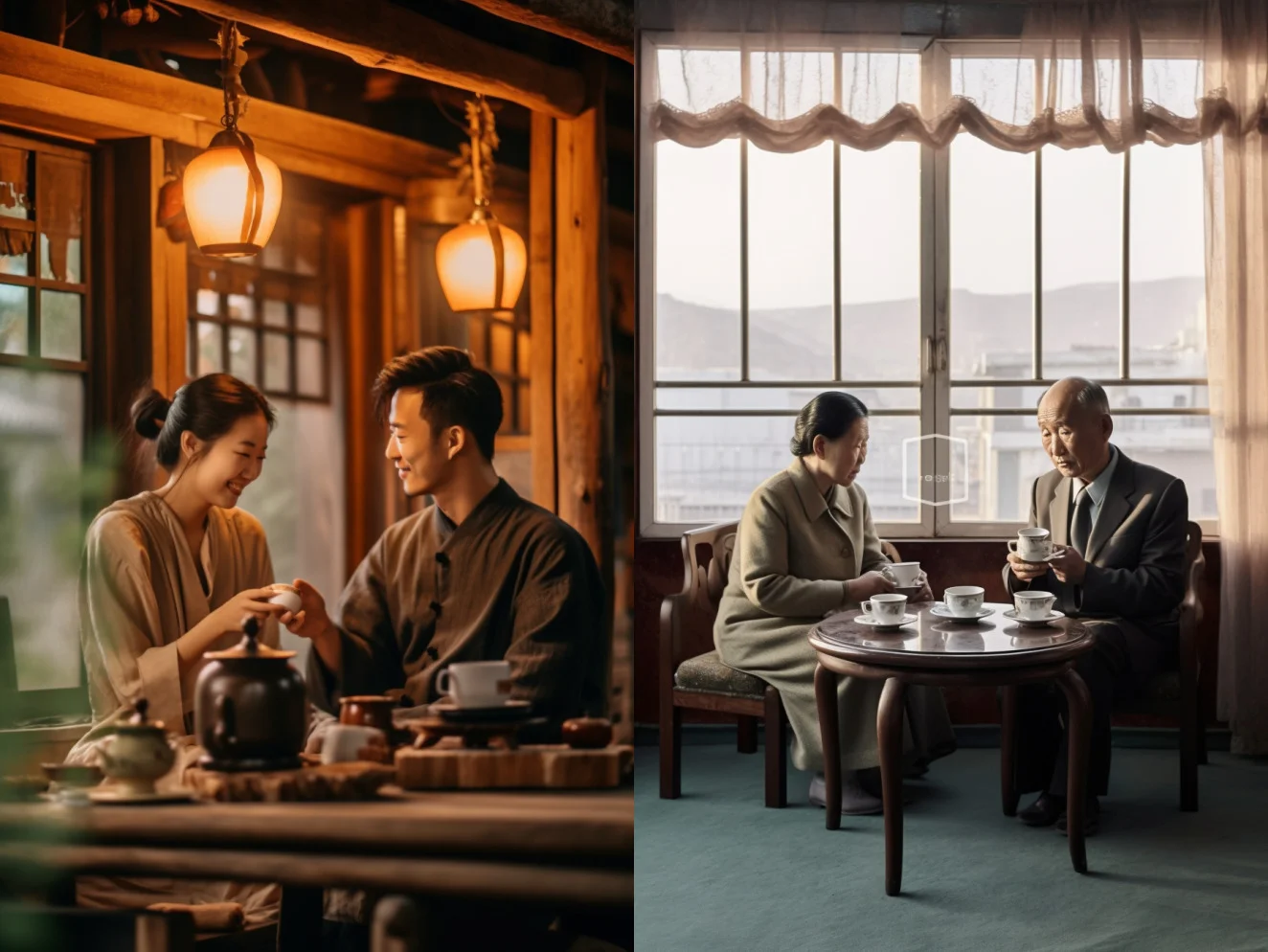
34. Tea Culture
Tea culture in South Korea revolves around traditional tea ceremonies, such as the Korean tea ceremony known as darye. These ceremonies focus on mindfulness, harmony, and appreciation of the tea's aroma and flavor. Tea houses and specialized tea shops offer a wide selection of teas, catering to different tastes and preferences.
Tea culture in North Korea embodies a sense of tradition, with an emphasis on ceremony and hospitality. Teahouses serve as gathering places for social interactions, where friends and families come together to enjoy tea and engage in conversations.
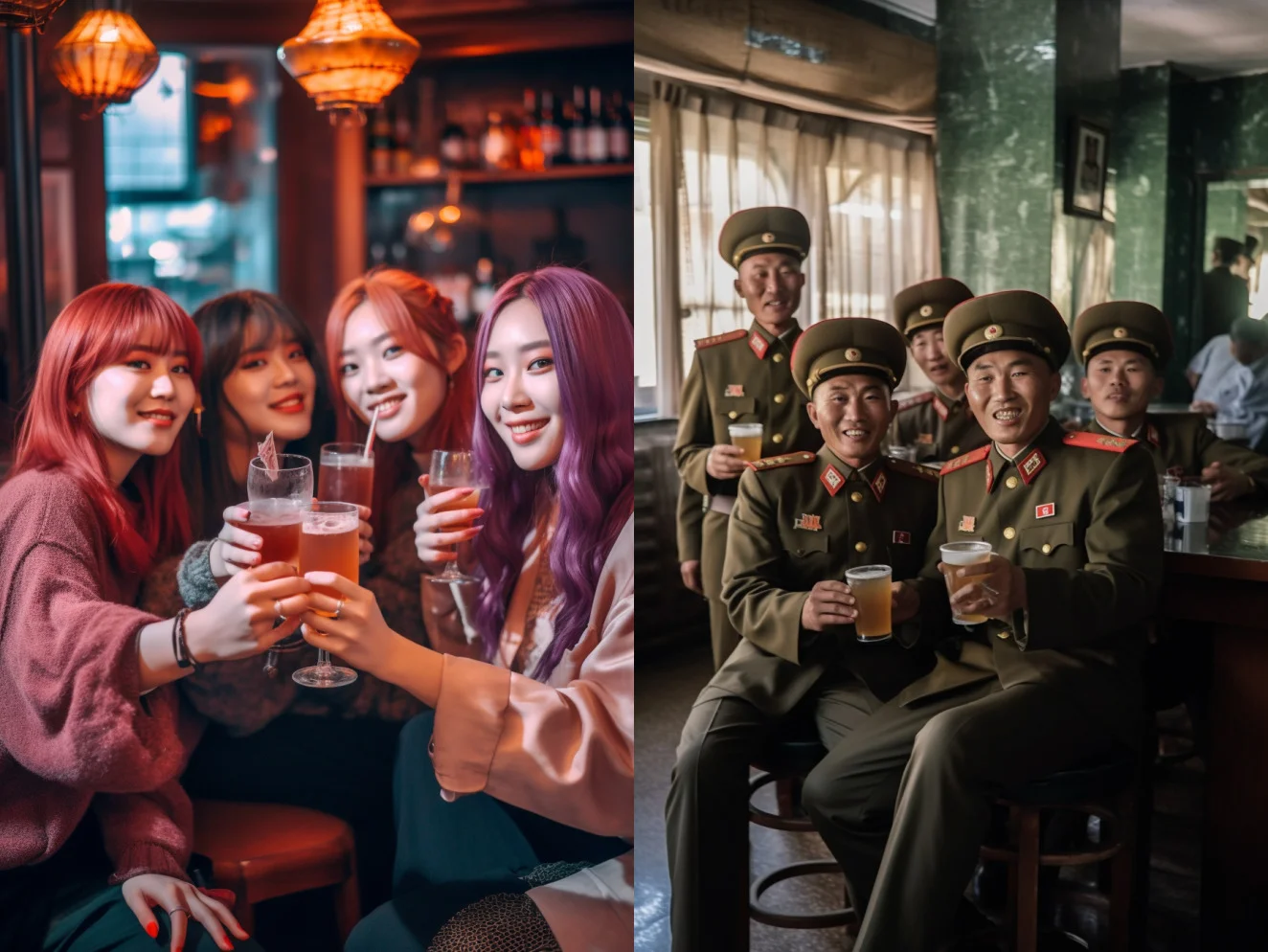
35. Nightlife
Nightlife in South Korea is vibrant and energetic, particularly in major cities like Seoul and Busan. Nightclubs, bars, and live music venues come alive, attracting both locals and tourists. The nightlife scene offers a range of experiences, from trendy clubs playing K-pop to cozy bars and bustling food streets.
Nightlife in North Korea is more subdued compared to its southern counterpart. Evening activities revolve around community events, cultural performances, and gatherings with friends and family. Bars and entertainment venues cater primarily to locals, offering a relaxed and low-key ambiance.
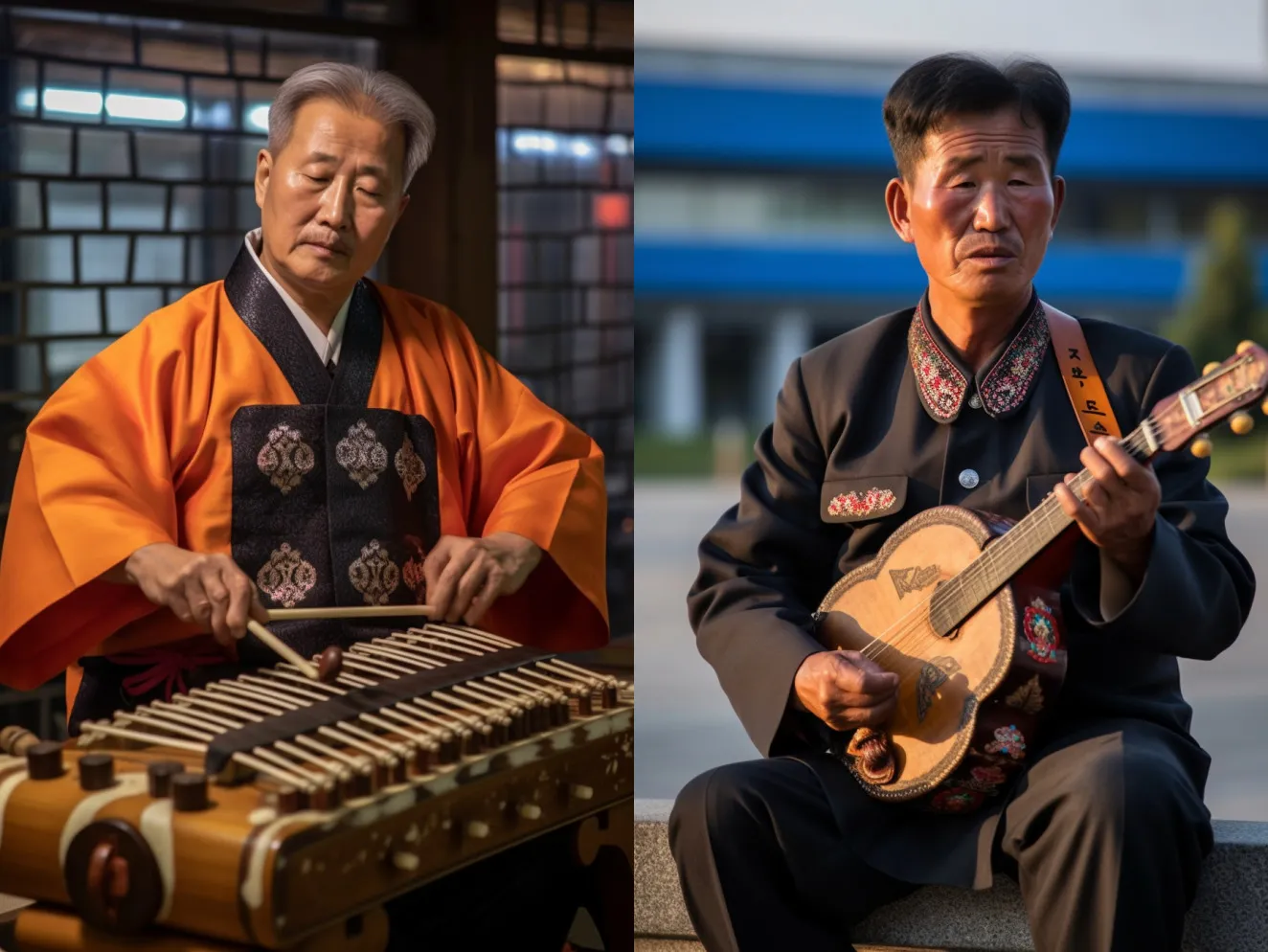
36. Traditional Music
Traditional music in South Korea, referred to as "gugak," encompasses a wide range of genres and styles. It celebrates the rich musical traditions of the country, including court music, folk songs, and instrumental performances. Traditional music plays a significant role in cultural preservation and is appreciated for its artistic depth and emotional resonance.
Traditional music in North Korea, known as "gukak," is deeply rooted in the country's history and cultural heritage. It features unique instruments, melodic patterns, and vocal styles. Traditional performances often celebrate national pride and evoke a sense of nostalgia for the past.
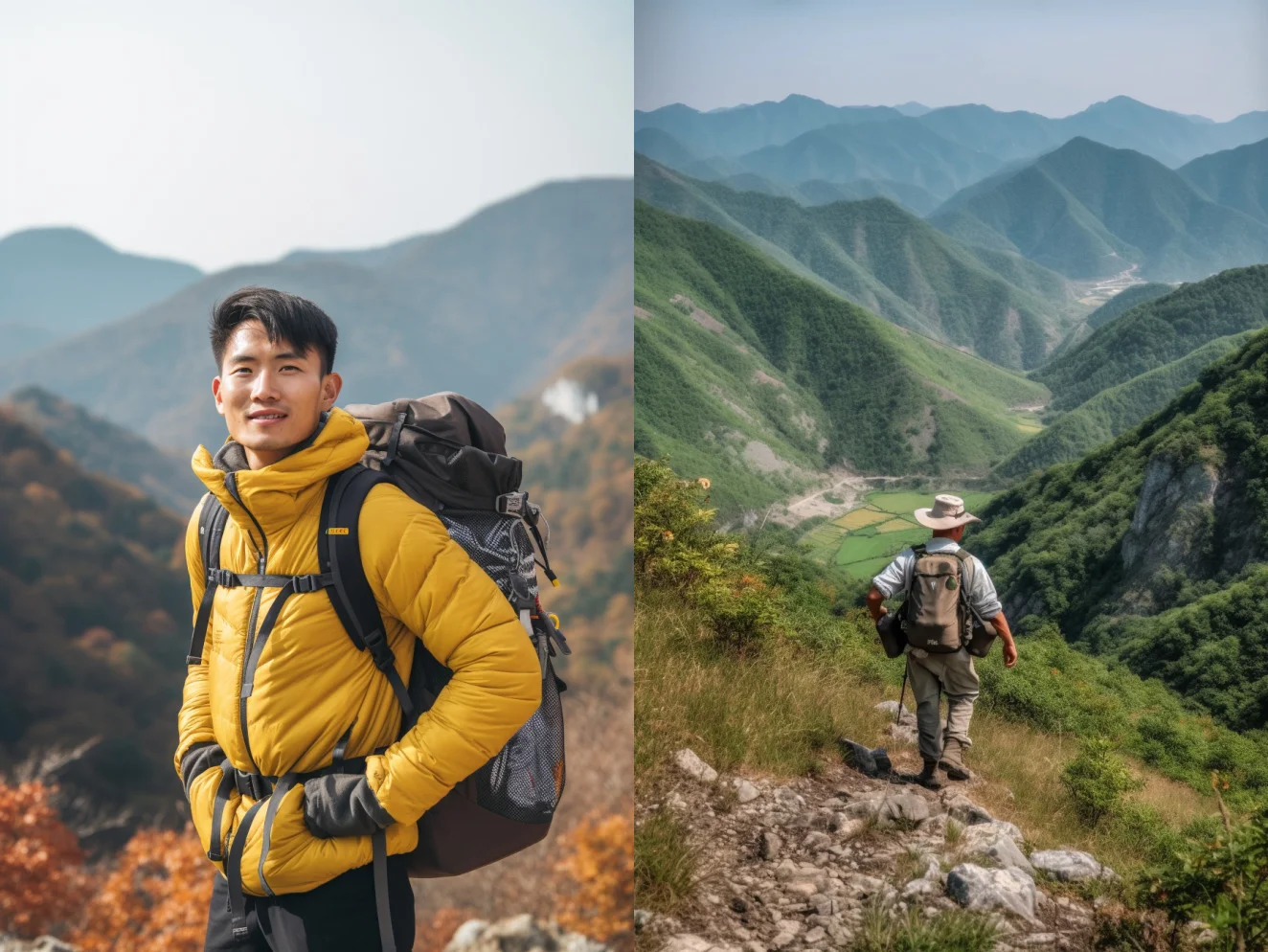
37. Mountain Hiking
Mountain hiking is a popular recreational activity in South Korea, with numerous hiking trails throughout the country's mountainous terrain. Hikers can enjoy breathtaking views, lush landscapes, and well-marked paths. Hiking clubs and groups organize outings, promoting fitness, camaraderie, and a connection with nature.
Mountain hiking in North Korea offers opportunities for outdoor exploration and appreciation of the country's natural beauty. Hiking trails are often well-maintained, and designated areas provide shelters and rest stops for hikers to enjoy the serene surroundings.
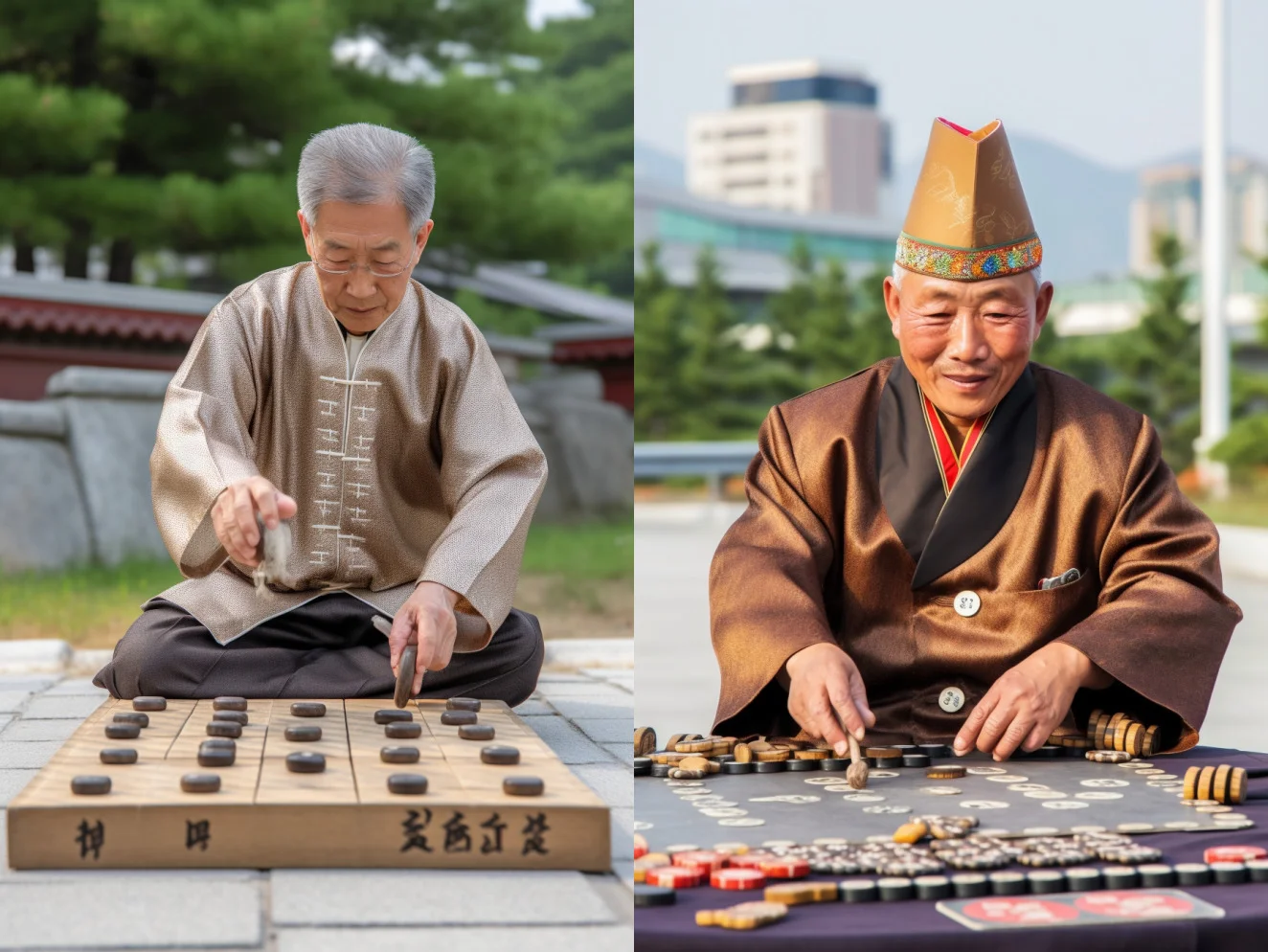
38. Traditional Games
Traditional games in South Korea, including jegichagi and neolttwigi, are cherished as cultural heritage and are often passed down through generations. They are played during traditional festivities, school events, and family gatherings, providing entertainment and promoting cultural appreciation.
Traditional games in North Korea, such as yutnori and ssireum, hold cultural significance and are often played during holidays and festive occasions. These games emphasize strategy, physical strength, and friendly competition, fostering social interactions and preserving traditional customs.
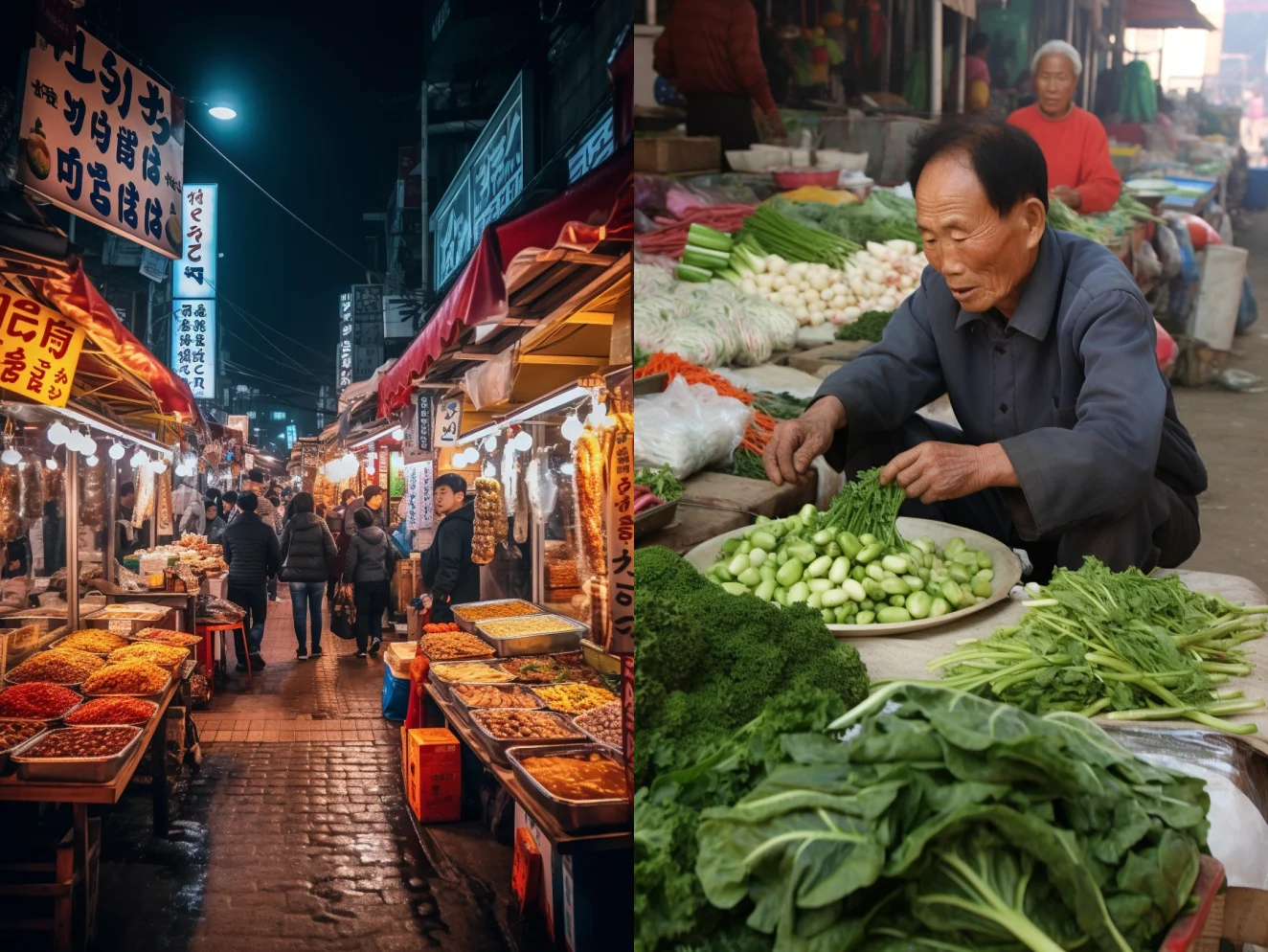
39. City Markets
City markets in South Korea, such as traditional markets known as "jangteo," are vibrant and bustling centers of commerce. These markets offer a wide array of goods, including fresh produce, seafood, clothing, accessories, and street food. They are popular destinations for locals and tourists alike, embodying a lively atmosphere and showcasing the country's dynamic retail culture.
City markets in North Korea serve as hubs for daily necessities, where locals gather to buy and sell goods. These markets, known as "jangmadang," offer a variety of products ranging from fresh produce to clothing and household items. They provide opportunities for entrepreneurship and private trading within the confines of state-controlled economic systems.
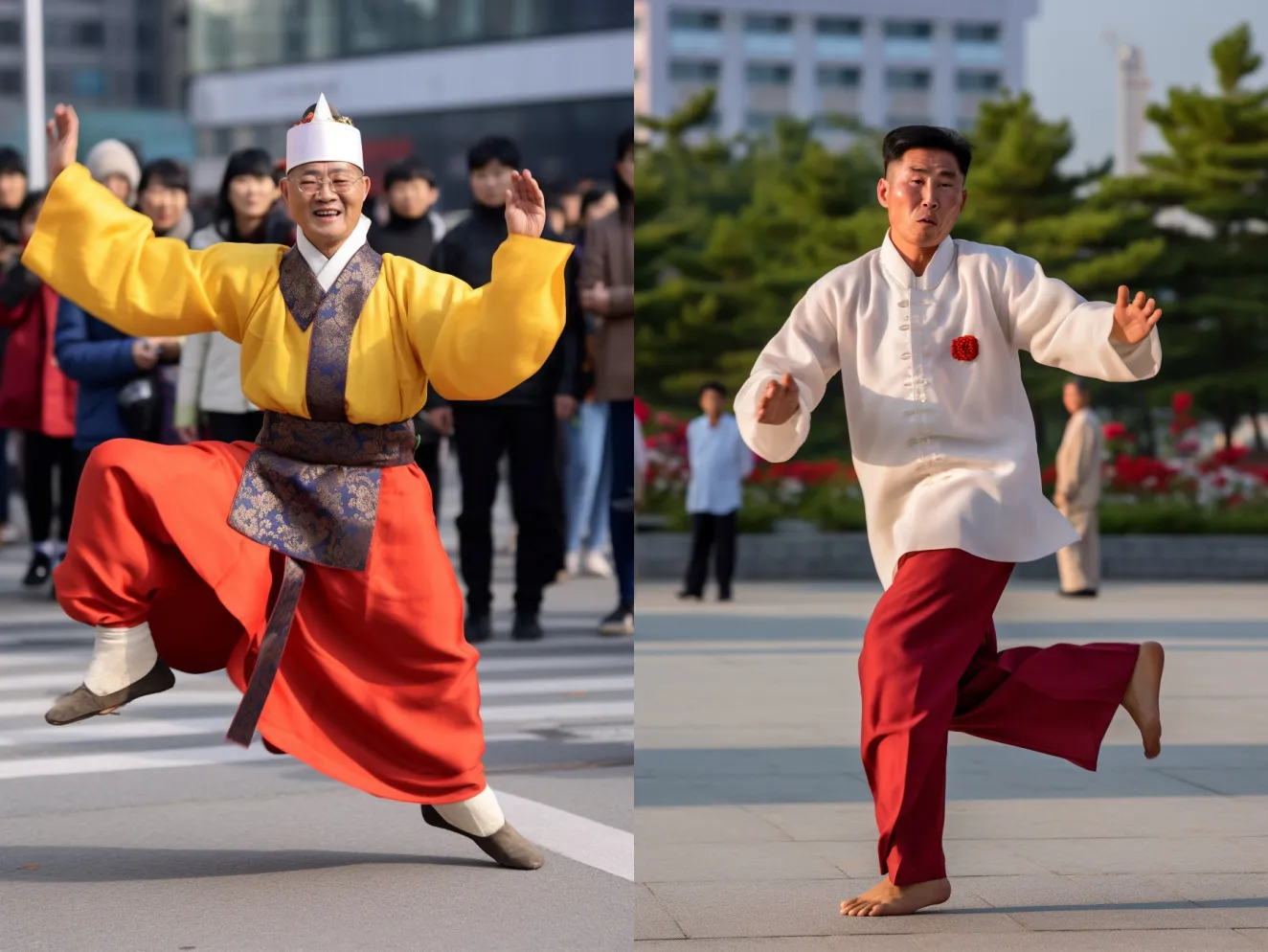
40. Traditional Dances
Traditional dances in South Korea, known as "nongak" and "jeongjae," are vibrant and energetic performances that showcase the country's agricultural heritage and regional diversity. These dances feature lively music, dynamic movements, and elaborate costumes, expressing joy, celebration, and communal spirit. Traditional dances hold great cultural significance and are often performed during traditional festivals and cultural events.
Traditional dances in North Korea reflect the country's cultural traditions and are often performed during festivals and celebratory events. These dances incorporate graceful movements, colorful costumes, and rhythmic music, conveying narratives from folklore, historical events, and ideological themes. Traditional dances serve as a means of cultural preservation and collective expression of national identity.
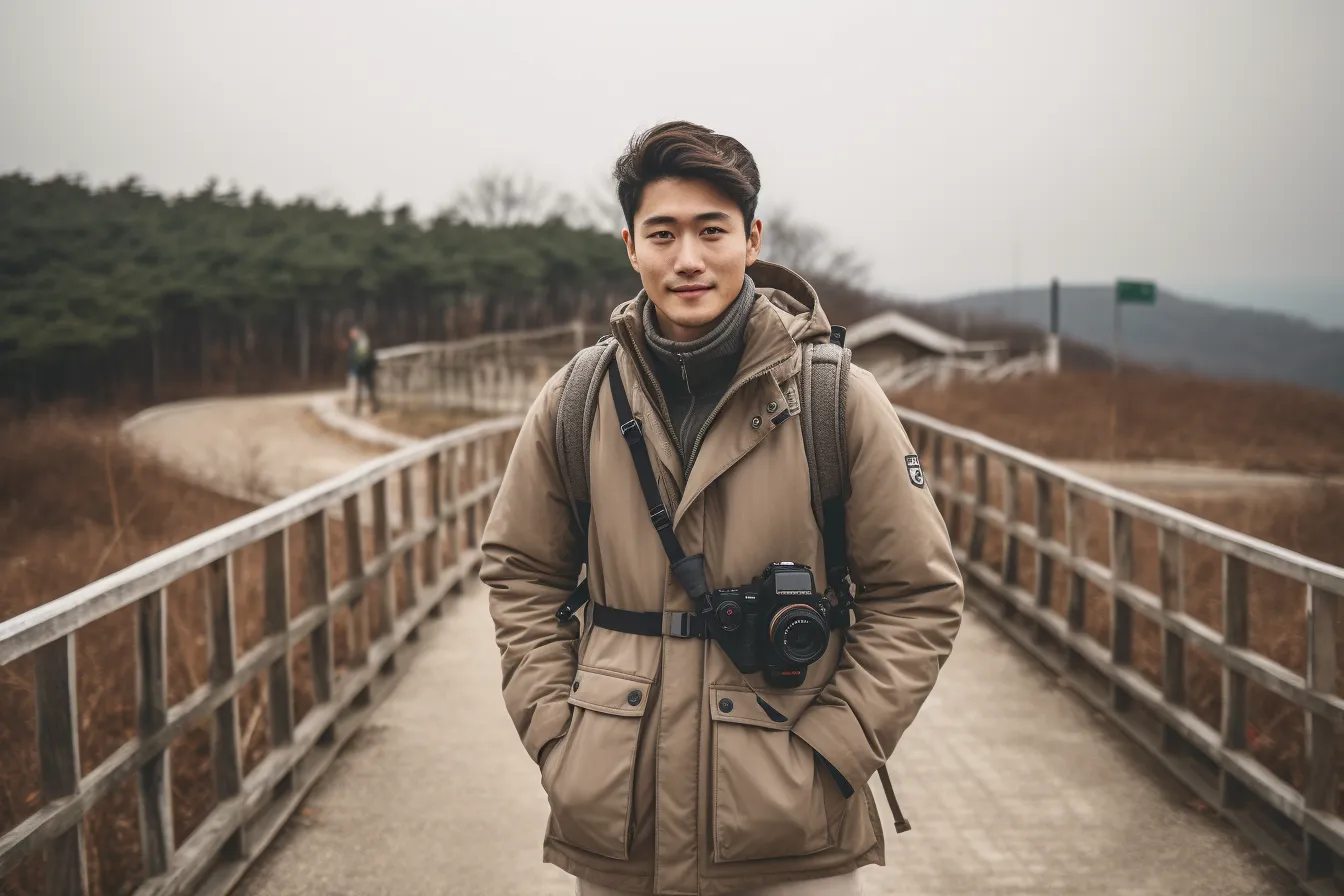
As we reach the end of this extraordinary visual journey through the lens of Ji-Soo Kim, the stark contrasts between North and South Korea linger in our minds. Beyond the political rhetoric and media portrayals, we have witnessed the intricacies of daily life and the diverse landscapes that define these two nations. Through Ji-Soo Kim's photographs, we have gained a deeper understanding of the lasting impact of history, ideology, and geopolitical tensions on the Korean peninsula.
The visual roller coaster that unfolded before our eyes has challenged our preconceived notions and offered glimpses into the untold stories of ordinary people. It is a reminder that beyond the headlines and statistics, there are individuals living their lives, shaped by the unique circumstances of their respective countries. Through Ji-Soo Kim's lens, we have come to appreciate the complexities, nuances, and rich cultural heritage that exist on both ends of the Korean spectrum.
As we conclude this captivating journey, let us carry the lessons learned and the visuals imprinted on our minds. May these images serve as a catalyst for greater understanding, empathy, and dialogue, fostering connections that transcend borders and promote peace on the Korean peninsula and beyond. The stark contrasts between North and South Korea stand as a testament to the resilience, adaptability, and indomitable spirit of humanity in the face of profound challenges and divisions.
In the end, Ji-Soo Kim's remarkable photographic exploration has offered us a glimpse into a world that defies easy categorization, leaving us with a deeper appreciation for the complexities that shape our global landscape. Let us continue to explore, question, and engage with the narratives that unfold before us, reminding ourselves that unity and understanding are possible, even in the face of stark contrasts.