
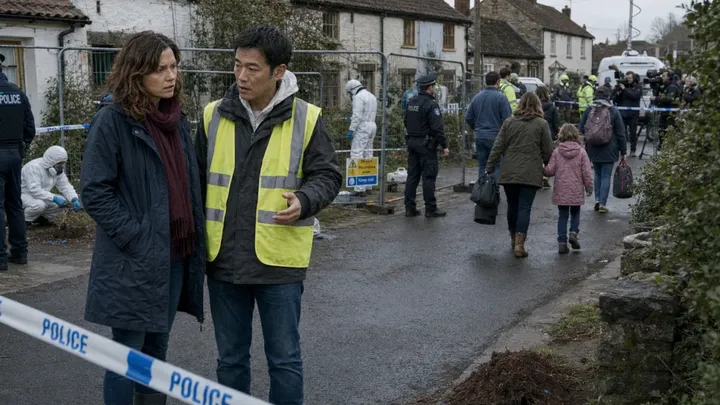
Police closed the street. Families from six homes were given twenty minutes to collect medicine, clothes, and documents. “Do not spray or crush the ants,” an officer warned through a loudspeaker. “You could scatter contaminated dust.” Some residents stared at Mary as they passed. One man demanded, “Why did you dig up that nest?” Daniel stepped between them. “She exposed the danger. It could have created a lot of damage if it had gone undetected.”
Teams sampled gardens, drains, and the edge of the playing field. Blue particles appeared in two neighbouring properties, but tests found nothing in the town’s drinking water. A band of clay seemed to have slowed the chemicals underground. That was good news, Daniel said, but nobody could return until the satellite colonies and surface contamination were contained.
Investigators compared material from the collapsed drum with archived manufacturing records. The mixture matched several products made at Calder during its final year. By evening, reporters surrounded the road, and Calder’s successor company issued a statement denying responsibility. Its lawyers claimed another business could have used the abandoned land after the closure. Then Mary received a private call. A company representative offered to buy her cottage immediately, provided she surrendered the property and spoke to nobody.