

Are You Eating These ‘Healthy’ Foods? Here’s Why Professionals Are Saying STOP!
You may think you know what's on your plate, but what if your favorite foods were hiding surprising secrets? In this article, we reveal 40 common foods that have been keeping their health risks under wraps. From breakfast cereals to late-night snacks, it's time to uncover the truths that will make you rethink your choices.
We often trust our go-to foods, but they could be hiding unexpected dangers. By exploring these hidden health risks, you'll become a smarter eater. Get ready to uncover 40 everyday foods that might not be as friendly to your health as they seem.
From your pantry staples to beloved snacks, you'll unearth surprising facts about these foods. Armed with this newfound knowledge, you'll be better equipped to make informed decisions about your diet, paving the way for a healthier, happier you. So, let's dive into this captivating exploration of foods that have been quietly affecting our well-being for far too long.
Granola Bars: A Healthy Facade with a Sugary Secret?
When you think of go-to snacks, granola bars often top the list. They're handy, easy to carry, and usually promoted as a smart choice. But as you tear open that wrapper, you might want to explore its contents a bit more.
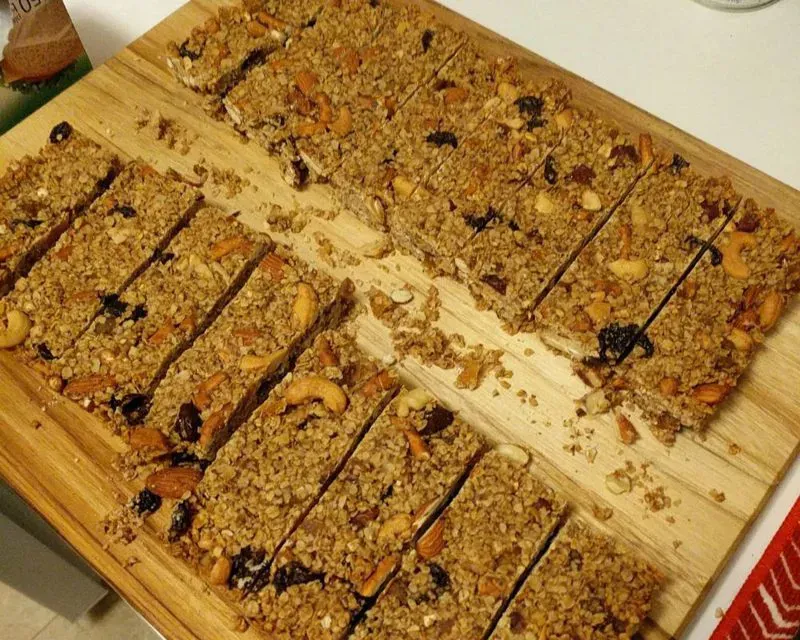
While they can look wholesome, many granola bars have a generous dose of refined sugars. And while the packaging might boast vivid images of fruit, the real deal might be in short supply. So, before you indulge in that snack bar, perhaps take a peek at its ingredient list to see what's really inside!
White Chocolate: Tasty Treat or Hidden Trouble?
Everyone loves chocolate, right? Dark, milk, and then there's the sweet and smooth white chocolate. But wait - ever dive into the alluring world of white chocolate? While its velvety texture and sweet charm may entice many, there's a little secret it's hiding.

Surprisingly, white chocolate lacks cocoa. What it does have is a blend of milk, a lot of sugar, and fats. It's a delightful treat for the palate, but perhaps it's worth considering its composition. So next time you're drawn to its sweetness, remember the white chocolate waltz - it's as intriguing as it is tasty!
Peanut Butter's Sneaky Side: Too Much of a Good Thing?
Toast, crispy and warm, is a beloved morning staple for many. With its quick prep time, it's a go-to for those groggy, time-crunched mornings. But watch out for that tempting jar of peanut butter before you slather it on thick!
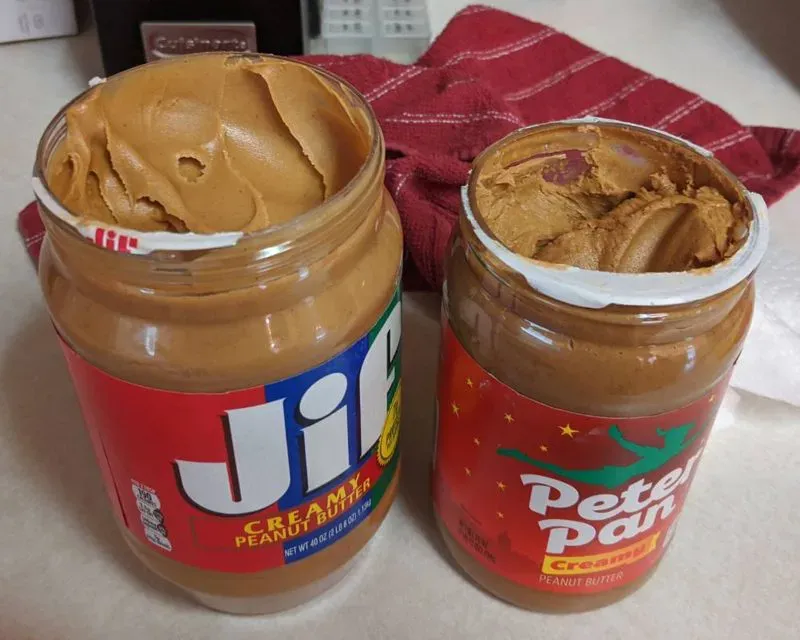
Sure, peanut butter is praised for its protein and beneficial fats, but moderation is key. It also comes packed with calories and a dose of saturated fats. Excessive indulgence might not be the best for your health. Not to mention, it can gobble up a big chunk of your daily caloric allowance. So, enjoy that nutty spread, but remember to spread wisely!
The Sugary Secrets Behind Chocolate Breakfast Cereals
Many people kickstart their day with a bowl of cereal. Cereal is quick, easy, and comes in a variety of delicious flavors. Among the numerous options available, chocolate-covered rice cereals often catch the eye, especially for children. Starting the morning with a chocolatey treat may seem tempting, but is it a truly healthy choice?
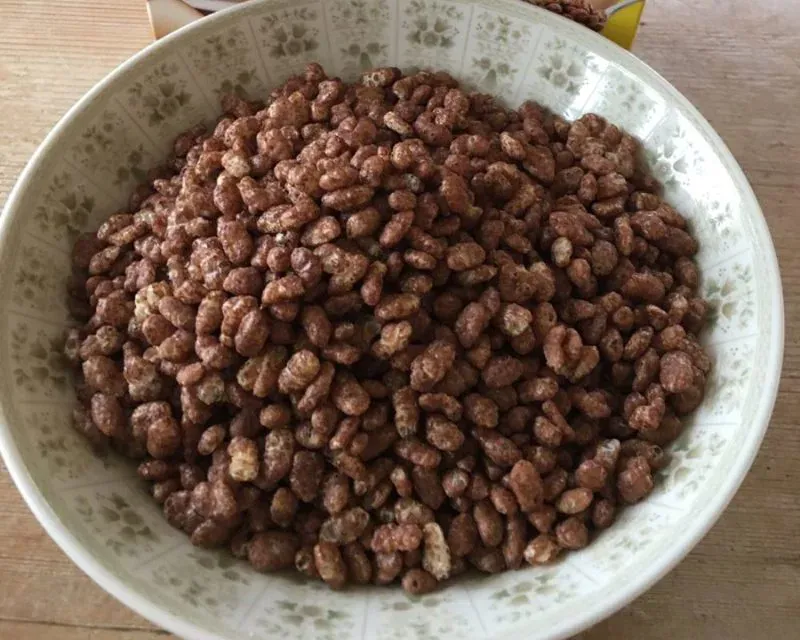
Recent discoveries suggest that indulging in this breakfast favorite regularly may not be the best idea. Some chocolate-covered rice cereals don't just contain a lot of sugar; they also have certain colorful additives. These additives have been linked to problems like hyperactivity and difficulty paying attention. Since kids are the main consumers of these cereals, this raises concerns.
Frozen Yogurt: The Sweet and Not-So-Healthy Truth
Frozen yogurt is often seen as a better-for-you version of ice cream. People who care about their health sometimes choose it to satisfy their sweet tooth without too many calories. But it's important to understand what's really in frozen yogurt.

Surprisingly, frozen yogurt isn't always as healthy as it seems. Even though it has less fat than ice cream, it often has a lot of added sugar. For example, a small amount of vanilla frozen yogurt can have about 17 grams of sugar, while vanilla ice cream only has about 14 grams for the same amount. Over time, eating sugary things like this too often can lead to serious health problems. So, when you're grabbing frozen yogurt, thinking it's the healthy choice, it's a good idea to check how much sugar it has or maybe go for a smaller portion. It's okay to enjoy regular ice cream sometimes, just don't eat too much of it.
Cinnamon Rolls: Sweet and Tasty, but Not So Healthy
Cinnamon rolls, with their warm, sugary glaze, are a breakfast favorite for lots of folks. The smell of cinnamon and sugar when they bake is tempting, and it's hard to resist having one or two. But even though they taste like a treat from heaven, they might not be the healthiest choice.

One big issue with cinnamon rolls is the sugar. An average one has about 17 grams of sugar, even before adding icing. Eating lots of sugary foods like this can lead to many health problems. But there's more to worry about. Cinnamon rolls also have a lot of fat, around 16 grams, with half of it being the not-so-healthy kind. Too much of this unhealthy fat can raise problems. It's important to know that not all cinnamon rolls are the same. Some store-bought ones, especially from big chains, can be loaded with sugar and fat. But if you make them at home, you can make them a bit healthier by using whole grain flour, less sugar, or a lighter glaze.
Canned Fruit: The Sugary Surprise
Fresh fruit is like nature's candy, full of good stuff like vitamins, minerals, and fiber. But when fruit is canned, it often swims in a sugary syrup that can make it less healthy. You see, when fruit is canned, they put it in syrup to keep it tasting good and lasting longer. But this syrup adds a lot of extra sugar to the fruit. For example, just a little bit of canned pears can have a huge 19 grams of sugar, which is like some desserts.
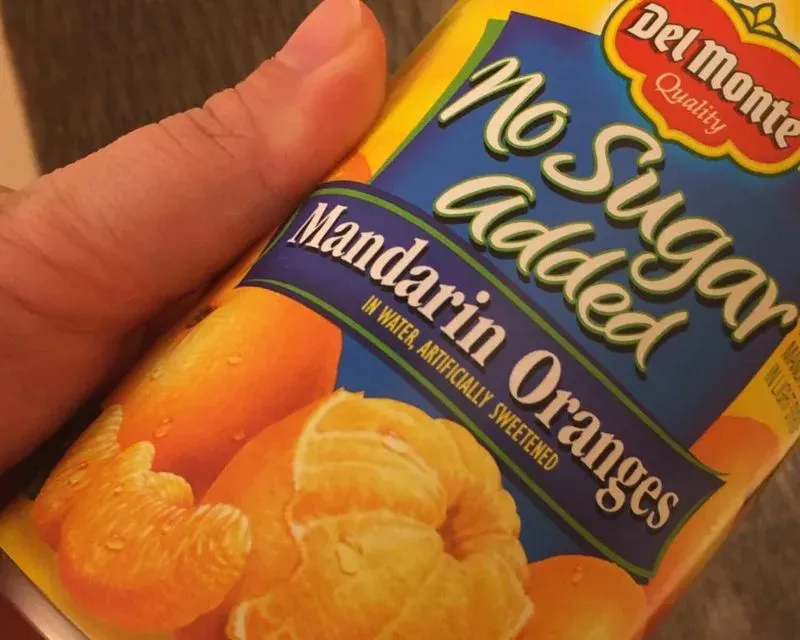
But there's good news! Some canned fruits are better for you. Look for ones canned in their juice or water without extra sugar. That way, you can enjoy fruit without all the sugar trouble. And don't forget, fresh and frozen fruits are great choices too. They have more good stuff and less added sugar compared to canned ones.
Canned Tuna: Tasty but Tricky Due to Mercury
Fish is often seen as a healthy choice because it's packed with good things like protein and omega-3 fatty acids. These can make you healthier. But when it comes to canned tuna, there's a catch – mercury. Canned tuna has some good things in it, like protein that's good for your muscles and omega-3s that help your heart. But it can also have mercury, which is a bad thing.
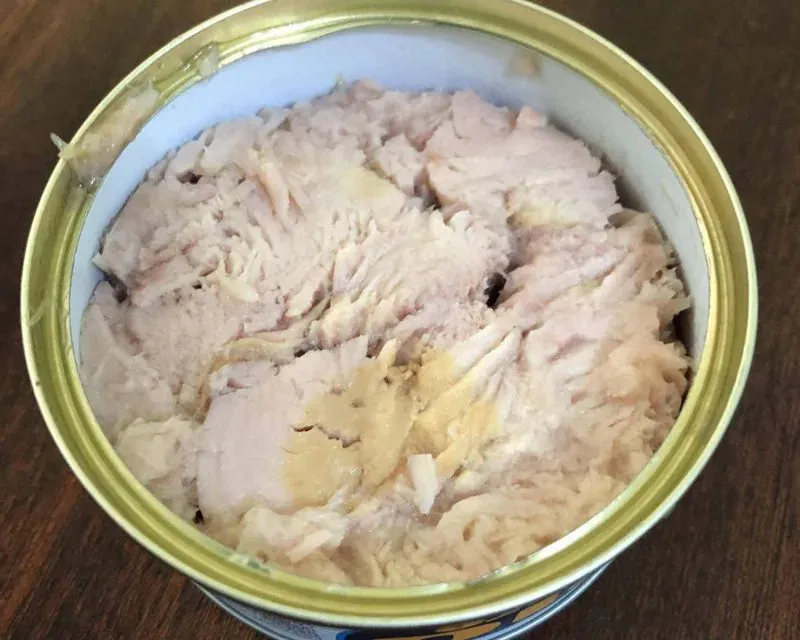
Mercury is a heavy metal that can hurt parts of your body like your stomach, immune system, and nerves. If you eat too much mercury, it can lead to big health problems. To enjoy canned tuna without the mercury troubles, you can do a few things. First, choose "light" tuna instead of "white" because it usually has less mercury. Second, don't eat too much of it. Remember, in the world of food, knowing is staying healthy!
Chocolate Milk: Tasty but Tricky for Health
Chocolate milk brings back fond memories of childhood for many. It's a yummy treat, and it has something good for your bones called calcium. Calcium is like a superhero for your bones and your body. And milk, including chocolate milk, has this superhero. But there's a problem with chocolate milk – it's got a lot of sugar. Just one cup of it can have about 25 grams of sugar, which means lots of extra calories. Drinking sugary stuff like this all the time can cause many problems.
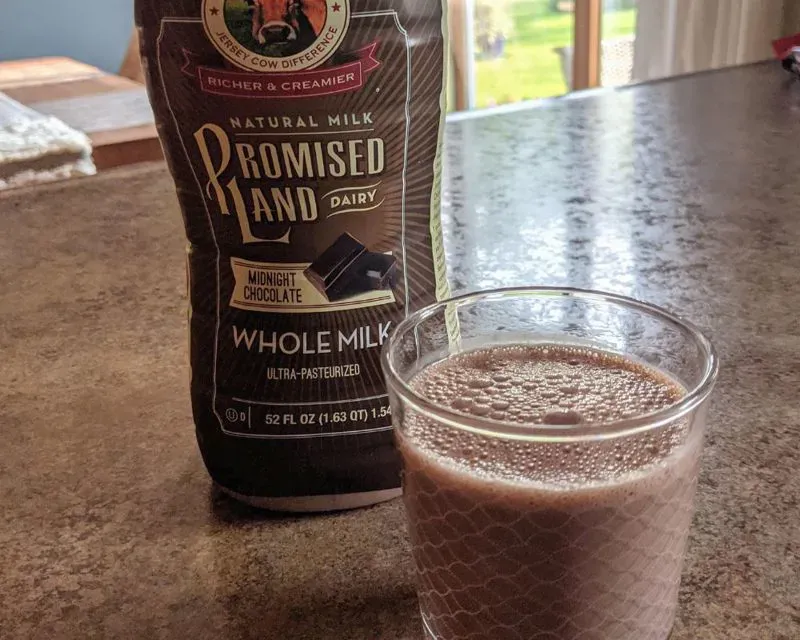
So, it's okay to enjoy chocolate milk once in a while as a treat, but don't make it an everyday thing. You can be smart about it by not having too much and being aware of the sugar. Also, think about getting your calcium from foods with less sugar. Remember, a good diet has many kinds of foods, and while chocolate milk can be one of them, it's important to eat other things that keep you healthy. So, by making wise food choices, you can still enjoy the taste of chocolate milk without hurting your health.
Sugar Overdose in a Bottle: The Hidden Dangers of Iced Tea
Most of us tend to think of harmful foods as greasy fast food or sugary snacks. However, drinks can be just as detrimental, if not more so. One such culprit is iced tea. Found in grocery stores under popular brand names like Snapple, Pure Leaf, and Tazo, it might seem like a refreshing choice, especially during hot days.

Would you believe that a single bottle can contain up to fifteen tablespoons of sugar? Consuming such high levels can leave you feeling jittery and hyperactive. However, there's another aspect to consider: such a high intake of sugar can have underlying effects and make you develop diseases. With such risks in tow, it might be wise to rethink that next bottle of iced tea.
Cupcake Caution: The Sweet Price of Convenience
We all love a good treat every now and then, and cupcakes often fit the bill. Pre-packaged cupcakes, with their bright colors and familiar taste, can be especially tempting for those on-the-go or looking for a quick sugar fix. Yet, while they might save you time, they can also cost your health in the long run.

For instance, some well-known brands of cupcakes can contain a shocking amount of sugar. Just one package can have up to three times the recommended daily sugar intake. What's more, many are loaded with high fructose corn syrup, which has been linked to various health concerns. So, next time you're craving something sweet, it might be worth considering a healthier alternative.
Fruit Juice: A Sugary Sip with a Life-Shortening Drip?
Fruit juice often finds its way into breakfast routines and health kicks, and why not? It's fruit, but drinkable! Seems like a win-win, right? But diving deeper into that refreshing glass, you might find more than you bargained for.
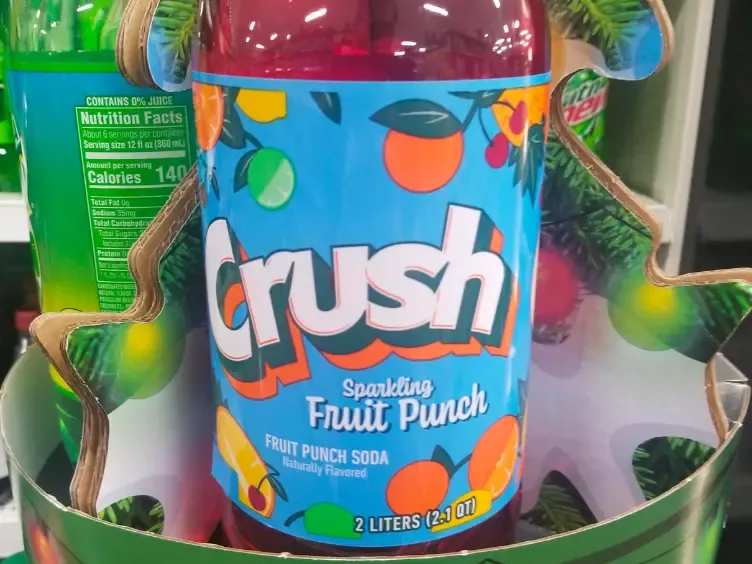
Contrary to its wholesome image, many fruit juices are packed with concentrated sugars and calories. The sweet sip can lead to unsettling spikes in blood sugar if consumed regularly. But here's something to ponder: excessive fruit juice consumption might have more impact on your health than you think. So next time you're thirsty for a "healthy" beverage, maybe reach for good old H2O instead.
The Truth About French Fries: They're Not So Simple
Everyone loves French fries. They're crispy, tasty, and found everywhere from fast-food spots to fancy places. But even if they taste good, they might not be that good for our health.
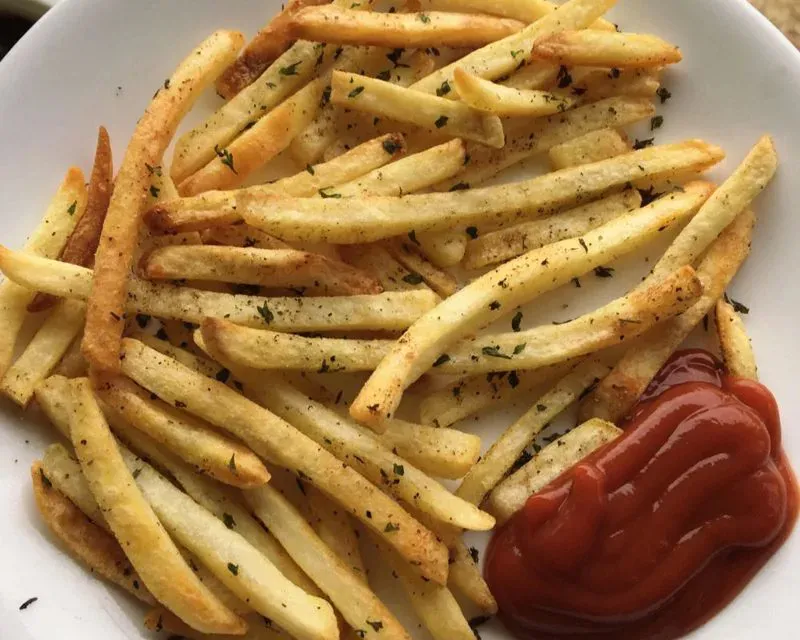
Most people know fries have a lot of fat and salt. But there's another problem: when potatoes are fried at high temperatures, they can form a harmful substance called acrylamide. This substance could cause health problems, like increasing the risk of getting sick. Plus, too much salt from fries can also be bad for our hearts. So, while it's okay to enjoy fries now and then, it's a good idea to think of them as a special treat, not an everyday food.
The Mystery Behind Pre-Packaged Hamburgers
While the allure of convenience can't be denied, the age-old saying "you are what you eat" holds significance, especially when it comes to pre-packaged foods. Hamburgers are a beloved staple, but not all burgers are made equal. The distinctions become clearer when you assess the contents of pre-packaged hamburgers.

Rumors suggest that not all pre-packaged hamburgers are 100% meat, which is a cause for concern. Without full transparency on what constitutes the remaining percentage, consumers are left in the dark about what they're ingesting. Binders, fillers, and other additives might be used to cut costs, but at what expense to our health? The best approach is to be an informed consumer. Always check the ingredient list and, better yet, consider making burgers from scratch. It provides peace of mind and ensures that you have control over what goes onto your plate.
Onions: A Flavorful Friend or Hidden Foe?
Onions are a chef's darling in many kitchens, and it's easy to see why. They enhance flavors, and they come packed with health perks, from lowering blood sugar to bolstering bone health. With all these benefits, one might wonder, could there be a downside?

Turns out, for some folks, onions might not be the best choice. While they offer a unique flavor and are loved by many, they are acidic in nature. This can be a concern for those sensitive to certain foods. So while onions are a favorite ingredient for many dishes, it's a good idea to consider if they suit your needs!
Say Goodbye to American Cheese Slices
It’s the ooey-gooey staple in the classic grilled cheese and the finishing touch on a towering burger, but doctors are raising red flags about American cheese slices. While cheese, in moderation, can offer some benefits to our diet, these ultra-processed slices are a different story entirely. Alarmingly, a diet rich in these ‘cheese’ slices is associated with a lot of severe health risks.

This fake cheese is made with lots of vegetable oils, additives, and fats. It's not good for your health and might lead to problems that can shorten your life. So remember this when you dive into that towering burger! Too much, and it will start to affect your waistline or worse!
Pears: Sweet Snack or Pesticide Peril?
We all want to make healthy choices, and fruits like pears seem like a perfect snack. But, not everything is as it appears. If you're often reaching for pears, you might want to be more careful. Reports say that pears might have lots of pesticides, and that's not great for our health.
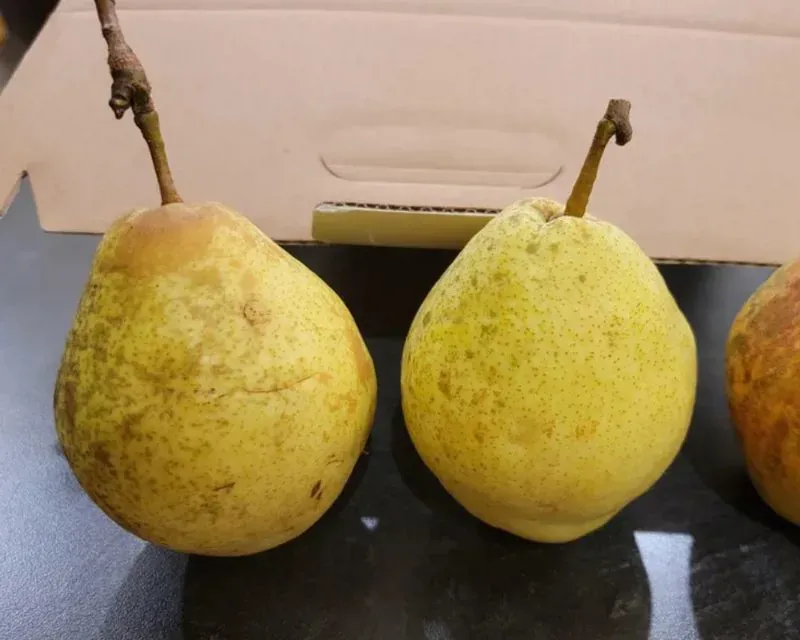
These chemicals can mess with our sleep, how hungry we feel, and maybe even with having babies. It's really important to wash pears well before eating them. A big group that checks on foods says pears are one of the fruits that often have these bad chemicals. It's a good idea to keep this in mind next time you're out doing groceries.
The Sweet Temptation of Caramel Popcorn: A Health Time Bomb?
Imagine settling down for a movie night with your favorite snack by your side: caramel popcorn. Its sweet, buttery goodness seems harmless enough, but you might be surprised at the toll it could take on your health. Amongst all the snacks that might not be the best choice for you, caramel popcorn stands out as an unsuspected villain.
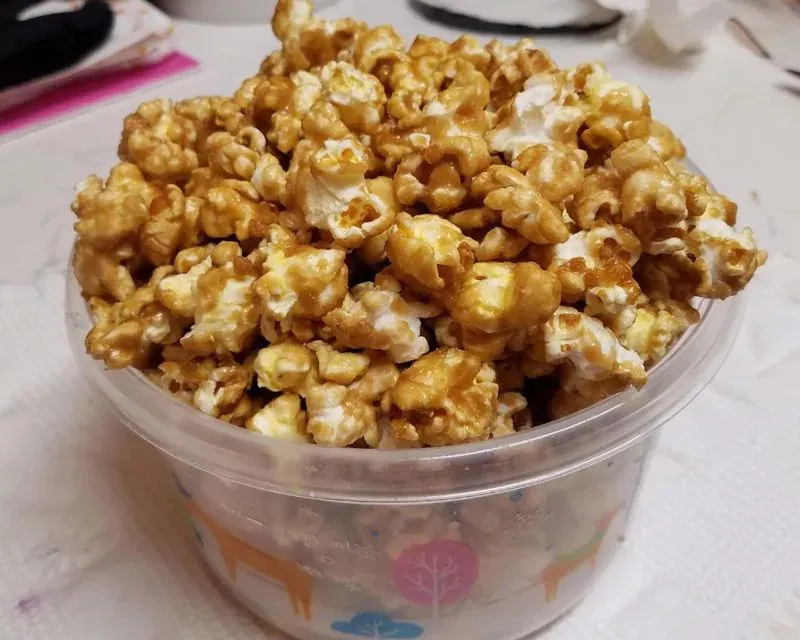
It's not just the tempting crunch and sweetness that has you craving more; there's a potent combination of ingredients at play. This treat, while undeniably delicious, might be harder to resist due to its enticing mix. Thinking of reaching for another handful? Maybe give a thought to exploring some healthier snack options next time.
The Spreadable Deception: Margarine's Hidden Dangers
For years, margarine has been championed as the go-to alternative to butter. Its plant-based origins, combined with its creamy texture and the promise of being cholesterol-free, have undoubtedly drawn in many consumers.

However, a more in-depth look at its ingredients might raise some eyebrows. Notably, many margarines are crafted using hydrogenated vegetable oils. Moreover, the production process of margarine introduces additional considerations. It might be worth weighing your options before your next spread selection.
The Crunchy Culprit: How Spicy Corn Chips Could Spice Up Your Health Risks
Tortilla chips, a beloved snack by many, often come under the scanner for not being the healthiest choice. And if you're spicing things up with a pack of spicy corn chips like Takis Fuego, you may want to reconsider. These fiery delights, though flavorful, might come with a hefty health price.
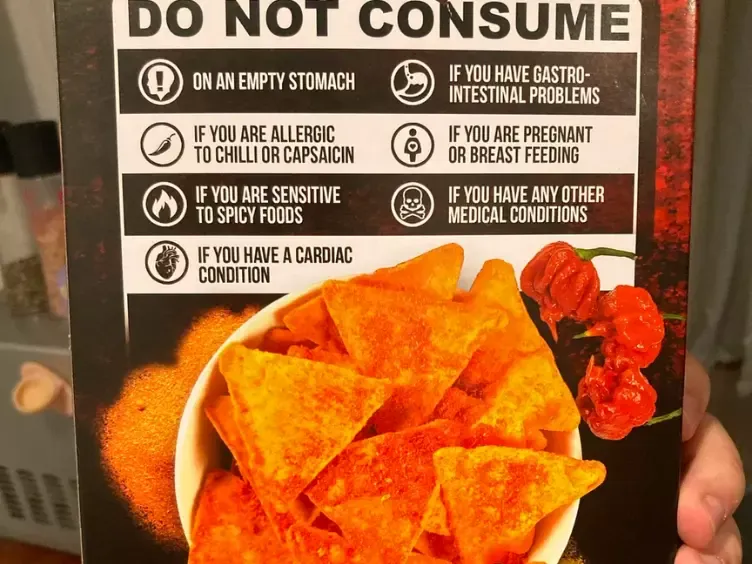
An ingredient to note in some of these spicy chips is the red dyes. Combined with the high salt and fat content, it gives pause for thought. Given these considerations, it might be a good idea to enjoy spicy corn chips as an occasional treat rather than a daily go-to snack.
Bubbles or Trouble? The Sparkling Water Debate
We all know drinking water is a top choice for our health. But not all water might be good for us. There are some worries about sparkling water having harmful chemicals. Especially the store-bought ones, which might have things we don’t expect.

These bad chemicals, called PFAS, are found in stuff like food packages and certain clothes. People say they could cause issues like sickness or messing with our thyroid. So, if you're thinking about what to drink, plain tap water might be safer than the bubbly kind.
The Sticky Truth: Corn Syrup Might Not Be As Sweet As You Think
Many of us have used corn syrup in our cooking or baking, especially when we want that extra sweetness. But did you know that it could be a sneaky health risk? While regular syrup isn't perfect, corn syrup might be even worse for our health.
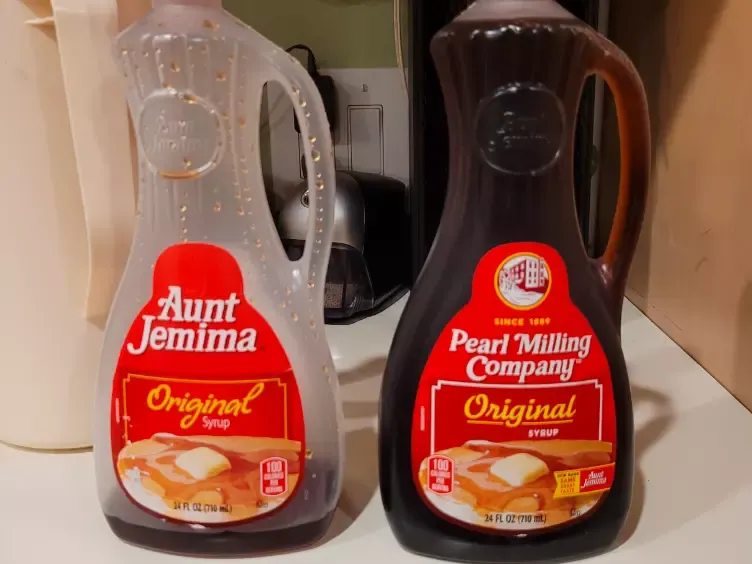
Corn syrup is known for its high sugar content. Just like with other sugary foods, it might be something to consume in moderation. So, the next time you consider using it, it's worth giving it a second thought!
Strawberries: Sweet Treats with a Sneaky Side?
Ah, strawberries! These juicy red delights are a favorite for many, often seen as a symbol of healthy snacking. But, before you bite into their sweetness, there's something you should know. While these berries come with many health benefits, they can also carry some uninvited guests: pesticides.
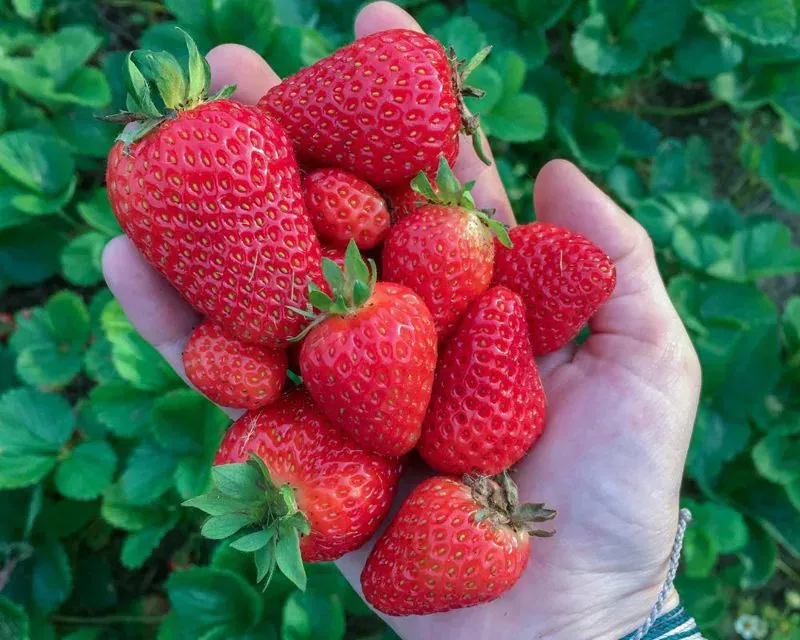
Reports suggest that strawberries can sometimes host over 20 different pesticides by the time they reach your plate. That's why a simple rinse under the tap may not suffice. To ensure you're not getting a side of chemicals with your berry snack, consider using fruit-cleaning sprays or soaking methods to give them a thorough cleanse. Because while strawberries are indeed delicious, it's best to enjoy them without any hidden surprises!
Flour Tortillas: Tasty Treat or Health Hazard?
Many of us love tortillas, but not all tortillas are made the same. Even though flour tortillas taste good, they might not be the best choice for our health. They've got stuff in them that might not be good for us. So, it's worth thinking twice before having them all the time.

These tortillas can have things that keep them fresh longer, but these might also be linked to bad diseases. Plus, they can have lots of salt, which might be tough on our heart. Maybe it's better to try corn tortillas or even make them at home to know what's really inside.
The Hidden Risk in Pre-cut Watermelon
Watermelon, with its juicy sweetness, is a favorite for many during warm months. However, there's a hidden risk when it comes to convenience: pre-cut watermelon. While whole watermelons are typically safe, the pre-cut versions can introduce potential health concerns. The process of cutting can sometimes expose the inner flesh to harmful bacteria, especially if not handled with utmost care and cleanliness.
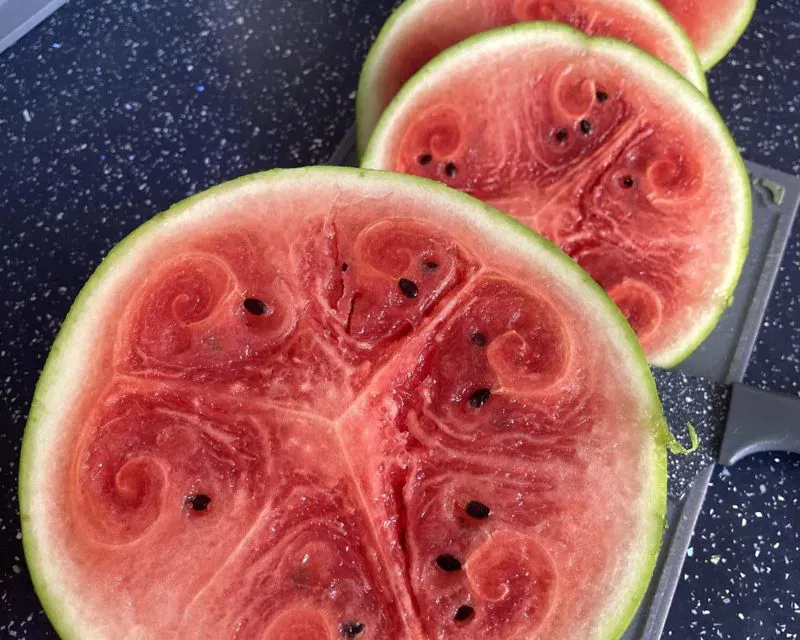
An alarming incident in 2019 spotlighted the dangers when an outbreak of salmonellosis was linked to pre-cut watermelon. Salmonellosis can manifest with severe symptoms, including fever, vomiting, and dehydration. So while the allure of convenience might be tempting, it's always a safer bet to buy whole watermelons and cut them at home. This way, you can ensure cleanliness and enjoy your favorite fruit without worry.
The Parmesan Predicament: More Than Just a Tasty Topping?
There's something undeniably delicious about parmesan cheese, especially when it's freshly grated over a warm pasta dish. But, like many good things, it's best in moderation. Surprisingly, that tiny sprinkle can pack a hefty punch when it comes to salt and calories.
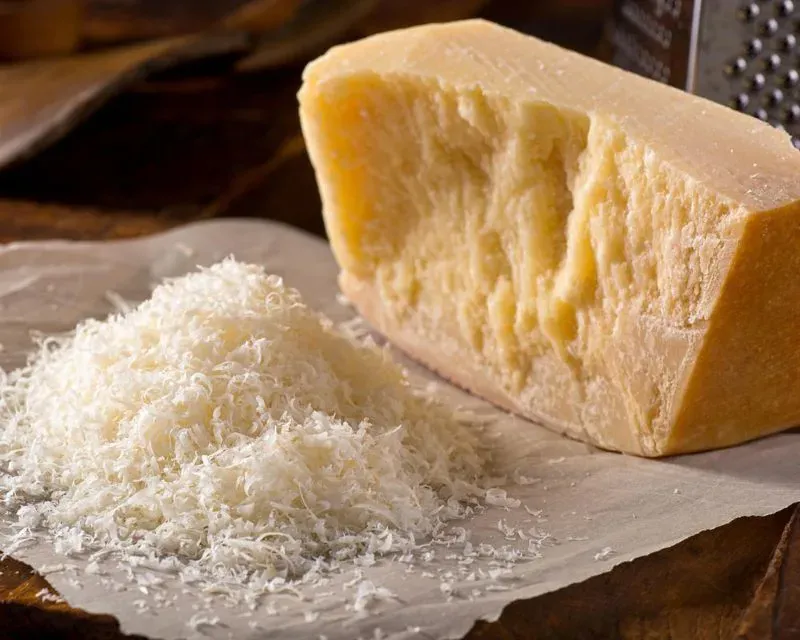
Why? Parmesan is loaded with sodium. Consuming too much sodium is linked to issues like high blood pressure, which isn't great for our heart's health. And while the cheese is tempting, it's also packed with calories. So, next time you're tempted to say "more cheese, please," maybe reconsider just how much you sprinkle on.
Deli Dilemma: When Protein Choices Go Awry
We all aim to include a good source of protein in our diets, and meats often come to mind. From steaks to chicken breasts, there's a plethora of options. But caution is needed, especially when reaching for those convenient slices of deli meats at your local grocery store. While they may be quick and easy for sandwiches, they might not be the healthiest choice.

The problem with deli meats lies in their processing. To make them last longer on the shelf, various preservatives and additives are used. The downside? Many of these meats are packed with sodium and unhealthy fats. These can lead to various health problems. So, next time you're shopping, think twice about that packet of processed meat and consider opting for a fresher, less processed option.
Tortilla Chips: Crunchy Delights with a Heartfelt Twist?
Who can resist the crunch of tortilla chips? Perfect on their own, even better when paired with salsa or turned into nachos. Their versatility makes them a go-to snack for many. But before you dive hand-first into that bag, there's a little crunch fact you might want to munch on.

While the savory flavor of these fried treats is undeniably tempting, it comes with a cost. Tortilla chips, with their high calorie, cholesterol, and sodium content, might be playing tricks on your heart. For those with or at risk for conditions like hypertension, these chips could amplify the problem. And let's not forget the other calorie threats. As tasty as they are, it's worth considering if the crunch is worth the potential health pinch!
Bubble Trouble: The Hidden Downsides of Chewing Gum
Chewing gum is fun, and many of us love to pop a piece in our mouths now and then. It's also a great way to freshen our breath. But did you know that this chewy treat might have some hidden health problems? While it's great for giving our jaws a workout, swallowing it or chewing too much at once can be risky.

Chewing too much gum could lead to things like jaw pain or stomach aches. Also, if the gum has a lot of sugar, it's not great for our teeth and could lead to tummy troubles. So, while it's okay to enjoy gum occasionally, it's best to do so with caution.
Jalapeños: A Fiery Delight with a Digestive Downside?
For those who love a kick in their dishes, jalapeños are a kitchen essential. They bring a fiery touch that ensures every bite is a flavorful adventure. But like all good things, moderation might be key.

While these zesty peppers add a punch to your palate, they might not sit well with everyone's digestive system. So, for those who adore the heat of jalapeños, it's a good idea to consider how often and how much you add to your meals.
Charred Meat: A Tasty Temptation with Hidden Dangers
We often pay attention to the type of food we eat, but how about the way we cook it? Take meat, for instance. While a bit of char might add a smoky flavor, cooking it to that extent, especially over open flames, can bring in some unwanted elements.

Some sources highlight concerns about meat cooked until it's charred. Beyond potential health risks, there's also mention of compounds that might not be ideal for consumption. So, when you're manning the grill, perhaps aim for that golden medium finish!
Fruit-Flavored Cereal: A Colorful Deception
Starting your day with breakfast is a wise choice. Many reach for a bowl of cereal, drawn by its convenience and quick munching time. But before you pour that brightly colored, fruit-flavored cereal into your bowl, take a moment to reconsider.
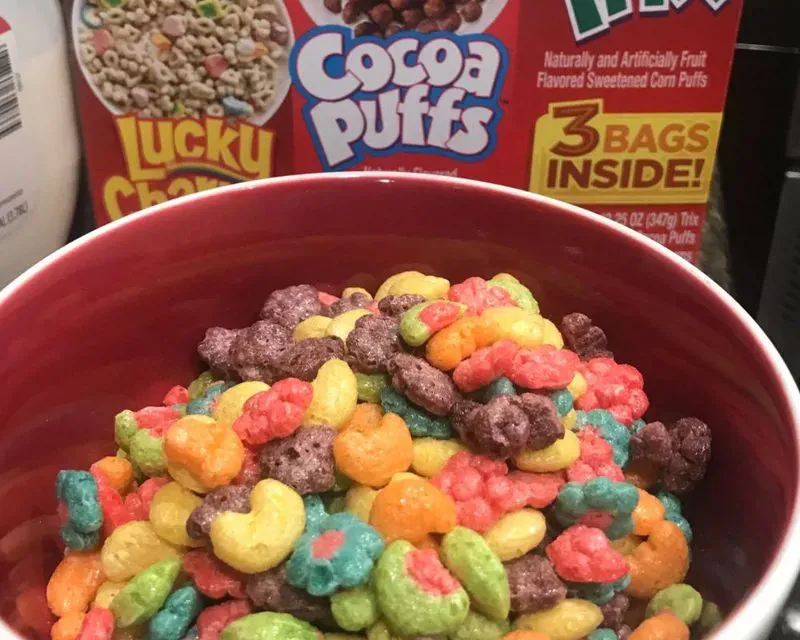
While the vibrant packaging and fruity promise might make it tempting, the reality is a bit different. These cereals often lack actual fruit, relying instead on artificial flavorings. The bigger concern? They're typically loaded with sugar, putting you at risk for serious health issues. Remember, just because it sounds fruity doesn't mean it's the healthiest choice for breakfast!
Refried Beans: Home-Made Heaven vs. Store-Bought Sin?
Refried beans: a favorite in many meals. But have you considered where your beans come from? Making them at home might just offer a fresher and more wholesome experience.
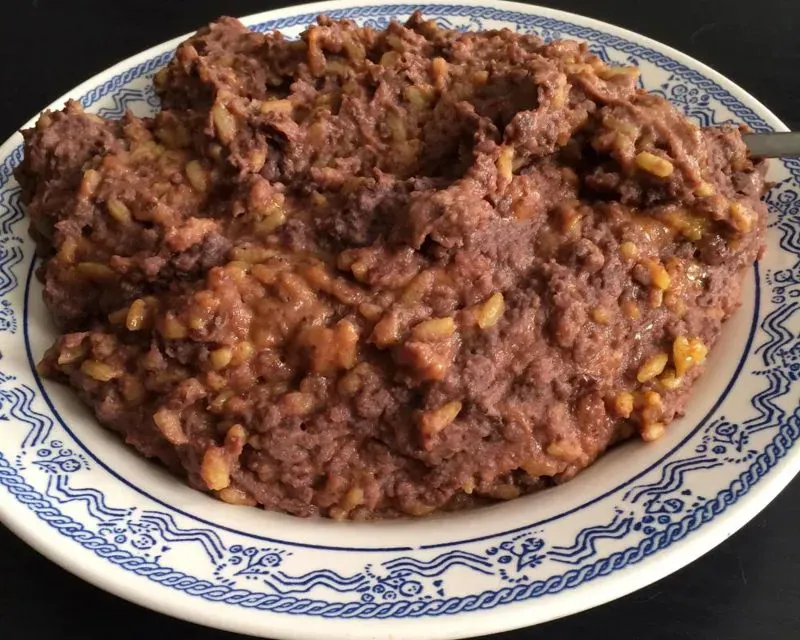
Homemade refried beans tend to have a natural mix of protein and fiber. On the other hand, some store-bought versions can come with additional ingredients that might not align with everyone's dietary preferences. If you're a refried bean enthusiast, it could be fun and rewarding to try making them at home next time!
Mini Pretzels: A Salty Surprise that May Spike Your Sodium Levels
Mini pretzels – those tiny, twisty snacks that are perfect for munching. While they're often seen as a slightly healthier alternative to other snacks like potato chips, there's more to these little delights than meets the eye. Their tiny size can be deceiving when it comes to their salt content.

Binge on these bite-sized pretzels and you might be in for a sodium shock. Just a handful can give you about half of your daily recommended sodium intake! Consistently going overboard can lead to pesky problems like water retention, making you feel bloated and puffy. But that's just the tip of the iceberg. Regular indulgence can pave the way for more severe issues. Next time, perhaps reach for a less salty snack to keep your heart happy.
The Sugary Truth: Hidden Dangers in Your Favorite Frosting Tub
The allure of a creamy, sweet layer of frosting atop a cake or cupcake is undeniable for many. However, this delicious taste masks a hidden danger: an alarmingly high sugar content. Packaged frosting tubs, often chosen for convenience, are notorious for their elevated sugar levels. A mere two tablespoons of a popular brand like Betty Crocker can contain as much as 19 grams of sugar, almost five teaspoons in just one small serving!

When you take into account the extra sugar from the cake itself and other sweet treats consumed throughout the day, it becomes quite easy to exceed the recommended daily sugar intake. Over time, indulging in these high-sugar treats can contribute to weight concerns and other health issues. So, the next time you're drawn to that frosting tub, keep in mind its hidden sugar content and consider healthier alternatives or enjoy it in moderation.
Jelly Beans: Tiny Temptations with Big Implications
Who can resist the colorful allure of jelly beans? Their vibrant appearance and delightful taste make them a favorite, especially during certain festive seasons. But here's the kicker: their small size can be dangerously deceptive. It's so easy to pop one after another into your mouth, not realizing the sugary tsunami you're setting off in your system.
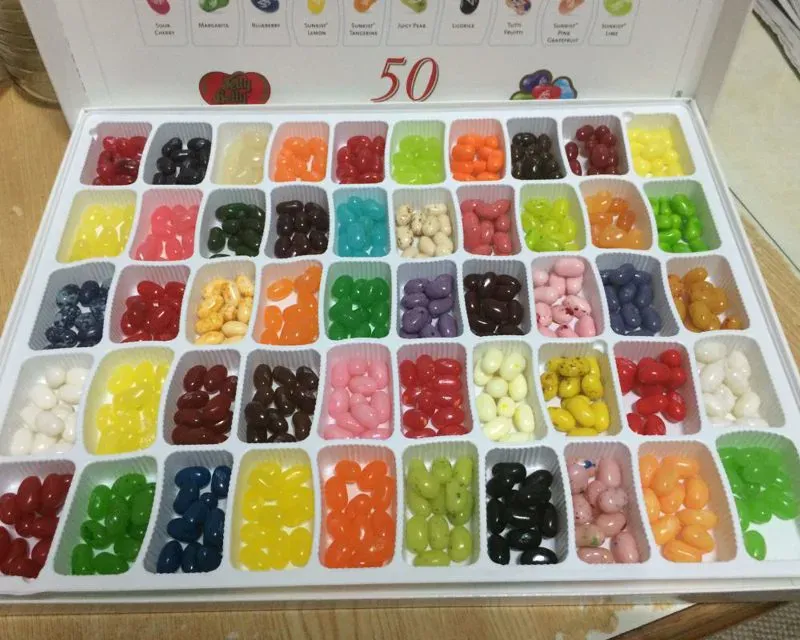
With just ten tiny beans packing a whopping eight grams of sugar, the numbers can quickly add up, putting you on a fast track to health issues like diabetes and obesity. But sugar isn't the only culprit. Many commercial jelly beans are laced with artificial colors and flavorings, some of which have been linked to potential health risks, including cancer. The next time you reach for a handful, remember that sometimes less is more, especially when it comes to these sweet, little temptations.
The Hidden Cost of Instant Ramen: Your Health Over Your Wallet
We all know the allure of budget-friendly foods, especially in times of financial crunch. Instant ramen, with its tempting price point, has become a staple for many. But as with many things in life, you often get what you pay for. While it might be light on the wallet, the toll it can take on your health could be much weightier.
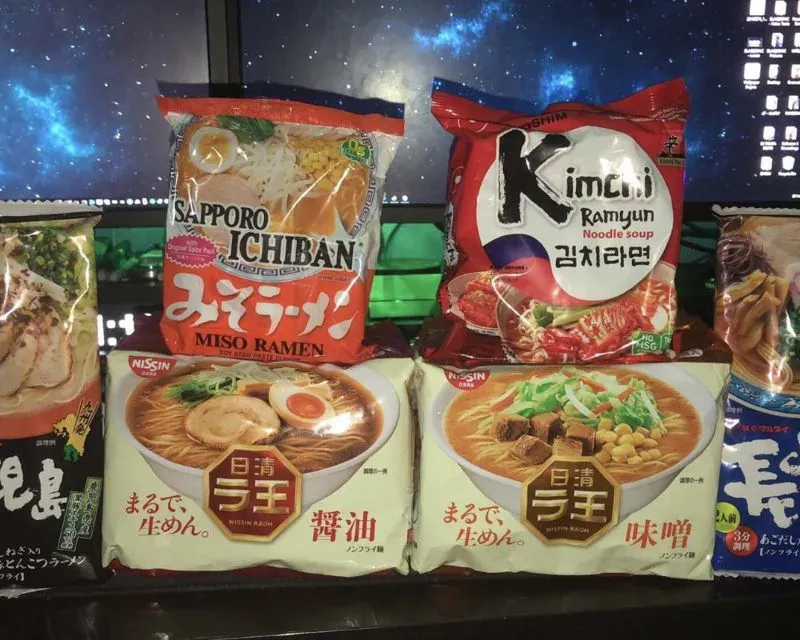
Instant ramen may not keep you full for long because it doesn't have much fiber. But the big issue is the high salt in one packet, which can be as much as half of your daily limit. Eating so much salt often can affect your blood pressure. So, for your health, it's sometimes better to spend a bit more on your food choices.
Moderation is Key: The Unexpected Dangers of Garlic
Many of us turn to garlic to elevate our dishes, cherishing its strong aroma and distinct flavor. However, as with many ingredients, moderation is crucial. While a small amount can impart a delightful taste, excessive consumption can lead to unforeseen health issues.
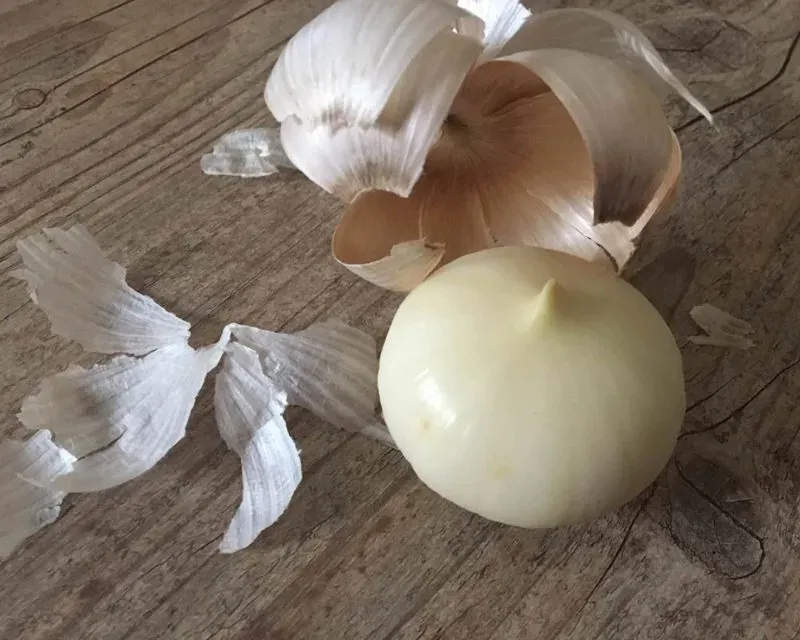
Eating too much garlic can make your stomach feel uncomfortable, causing problems like acid reflux, bloating, and stomachaches. For most people, using a little bit of garlic in your cooking is enough to enjoy its taste without worrying about health issues. It's all about finding the right balance.
Gluten-Free Pasta: A Choice for Some, but Not a Magic Fix
Gluten-free pasta is a helpful thing for folks who can't eat gluten because it can upset their stomachs. It's pasta without a special protein called gluten, which is found in wheat, barley, and rye. But, just because it's gluten-free doesn't mean it's automatically super healthy.
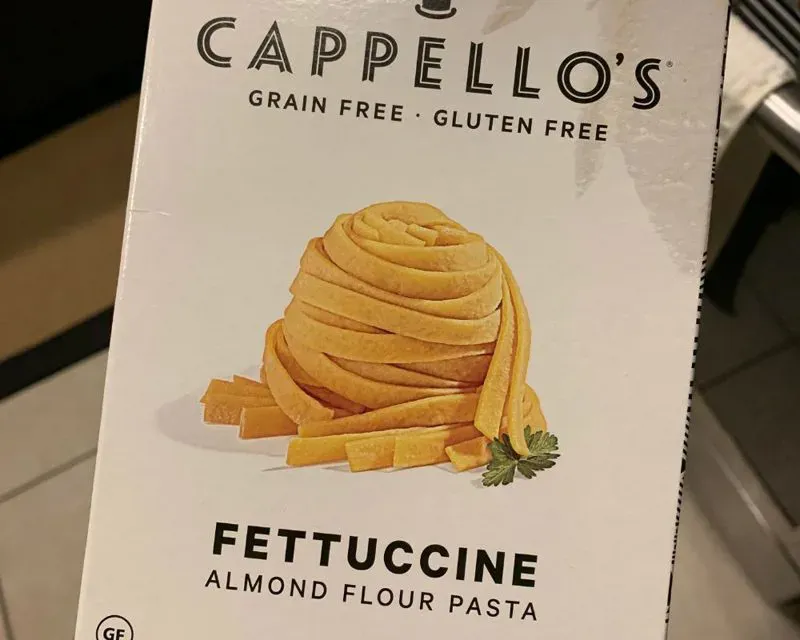
You see, gluten-dit/Lordicafree pasta is different from regular pasta. It's often made from things like rice, corn, or beans. These ingredients can change how much good stuff is in the pasta. Some gluten-free pasta might have more fat, salt, or sugar to make up for the taste and texture when gluten is missing. Eating too much of these things can lead to problems. So, if you need to eat gluten-free pasta, that's okay. Just be smart about it. Check the label to see if it has less fat, salt, and sugar.
The Surprising Truth About Coconut Water
We live in an era where new health drinks pop up frequently, claiming various health benefits. Coconut water, marketed as a natural and flavorful alternative to plain water, has gained a massive following. But like all things, it's essential to look beyond the marketing and delve into the actual nutritional facts.
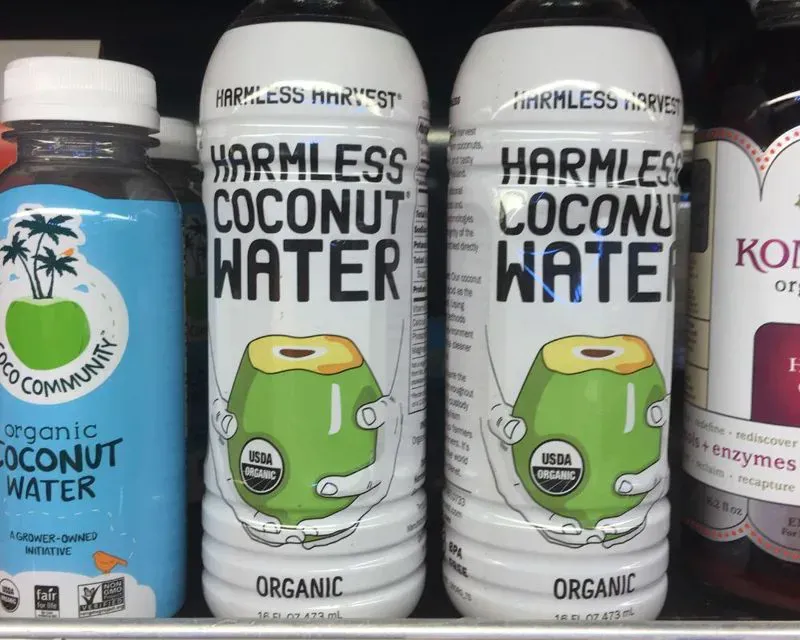
While coconut water may quench your thirst with a sweeter flavor, it's crucial to be aware of its caloric content, which ranges between 45 to 60 calories for an eight-ounce serving. When venturing into flavored versions, the sugar content can rise significantly, potentially increasing the risk of health problems. Also, drinking too much coconut water can lead to high potassium levels, which might affect your heart in extreme cases. So, it's best to enjoy coconut water in moderation and rely on plain water for everyday hydration.
Sources: Foodies1st