
Photo Credit: US Army/ Wikimedia Commons
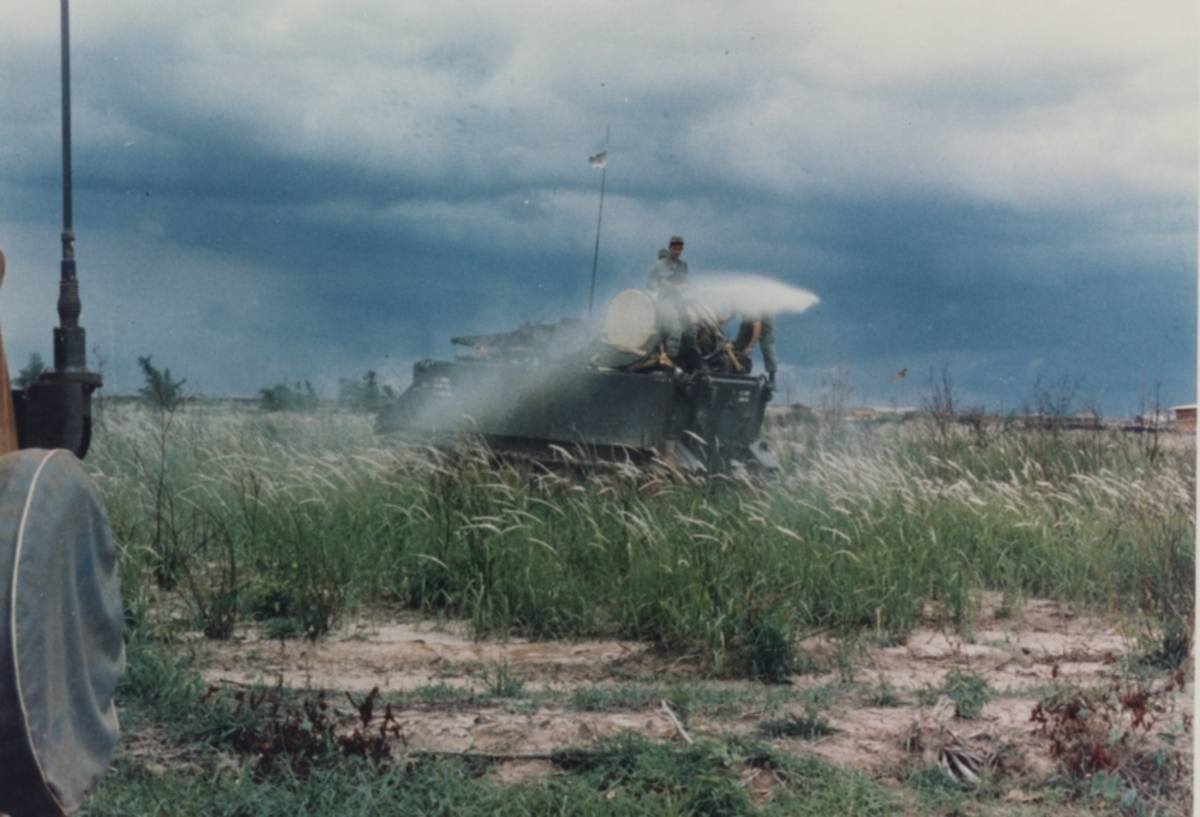
8. Was Agent Orange just a battlefield tool?
Agent Orange was used to strip leaves from forests and destroy vegetation that could hide enemy forces or supply routes. From a military planning perspective, it was treated as a way to make the jungle less useful to the enemy. But the long-term consequences became one of the darkest legacies of the war.
The chemical was contaminated with dioxin, and its effects have been linked to serious health problems among veterans and Vietnamese civilians. The damage did not stop when the shooting stopped. Soil, bodies, families, and future generations became part of the story. That is what makes Agent Orange more than a wartime tactic. It became an environmental and human disaster.
Modern wars still leave behind toxic remains: burned fuel, unexploded ordnance, damaged factories, polluted water, and contaminated land. Vietnam forces us to ask a question every war should face earlier: who is responsible for the damage after the soldiers go home?