
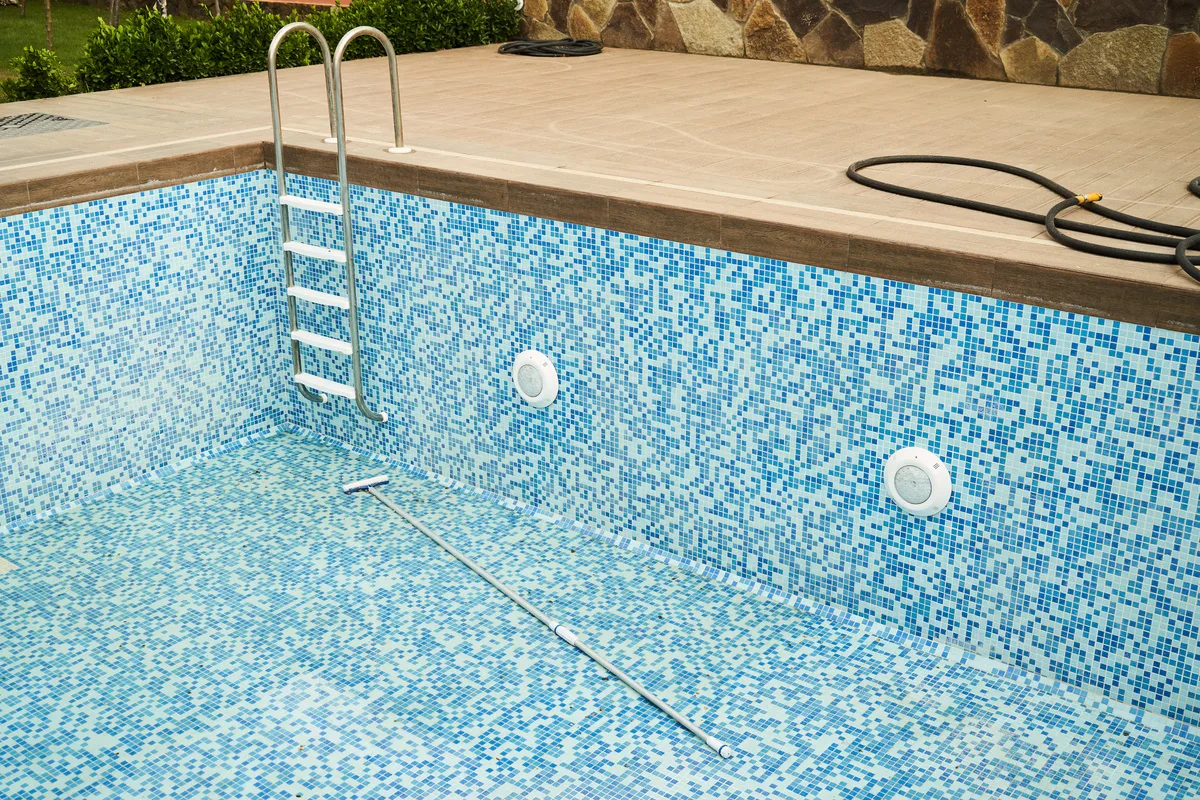
It sounds like a sensible fall chore: empty the swimming pool, give it a thorough cleaning and refill it with fresh water next spring. But a recent French article describes a homeowner's nightmare. After draining his pool for winter, he supposedly discovered the following morning that the basin no longer lined up with his patio.
Although the individual account hasn't been independently verified, the phenomenon behind it is real. An in-ground pool can actually rise out of the ground when it's emptied, particularly after heavy rainfall. And the explanation is surprisingly simple.
Why an empty pool can lift out of the ground
Most homeowners think of pool water as something that needs cleaning and replacing. But all that water serves another important purpose: its weight helps keep the structure in the ground.
Groundwater in the surrounding soil pushes against the pool's walls and floor. When the pool is full, the weight and pressure of the water inside help counteract those outside forces. Remove the water, and that balance can disappear.
The effect is called hydrostatic pressure. If groundwater rises high enough, it can push an empty pool upward, much like a cork floating in water.
The crucial factor is the difference between the groundwater level outside the pool and the water level inside it. A rainstorm can create enough pressure to lift a recently drained pool, even when the surrounding groundwater isn't particularly deep.
The damage can go far beyond a few cracks
Pool professionals call this phenomenon pool popping. Concrete and fiberglass pools can rise unevenly, damaging their shells, nearby patios, and underground plumbing. In vinyl-lined pools, groundwater may instead push beneath the liner, creating wrinkles or bulges.
Warning signs include new cracks, an uneven pool edge, gaps beside the patio, and unexpected movement beneath the liner.
If your pool has already shifted, don't simply refill it. Have a qualified pool contractor or structural engineer assess the damage first. Adding water could make existing cracks worse.
Why replacing all the water isn't worth the risk
Completely emptying a pool creates other problems, too. Without water, plaster and vinyl liners are exposed to dry air and sunlight, potentially causing cracking, shrinking, or other damage.
If your water has become cloudy or developed excessive mineral deposits, a complete refill usually isn't the first solution. Testing and balancing the water, improving filtration, or replacing some of the water may resolve the problem.
Even a partial drain needs care if groundwater is high. Before releasing pool water, check local rules on where chemically treated water may be discharged.
What you should actually do before winter
Winterizing an in-ground pool generally means protecting the water, pipes, and equipment, rather than emptying the entire basin.
Start by thoroughly cleaning the pool and balancing its water chemistry. Depending on your pool's design, local temperatures, and winter cover, you may need to lower the water level to protect the skimmer and plumbing from freezing.
Next, have the lines properly cleared and plugged where necessary, drain vulnerable equipment, and install a suitable winter cover.
There's no universal water level for every pool. In warmer climates, some owners keep their pools circulating through winter without lowering the water at all. Follow your manufacturer's instructions or consult your pool maintenance professional.
When is it safe to drain a pool completely?
Certain repairs, including major resurfacing or liner replacement, may require an empty pool.
But this is a job best left to professionals. They can check groundwater levels, arrange temporary pumping if necessary, and choose suitable weather conditions before starting work.
Some pools have hydrostatic relief valves designed to let groundwater enter when outside pressure becomes excessive. However, these valves can fail or become blocked, so they don't eliminate the danger.
The lesson for fall pool maintenance is straightforward: unless a qualified professional has determined that draining is necessary and safe, leave most of that water where it belongs.