
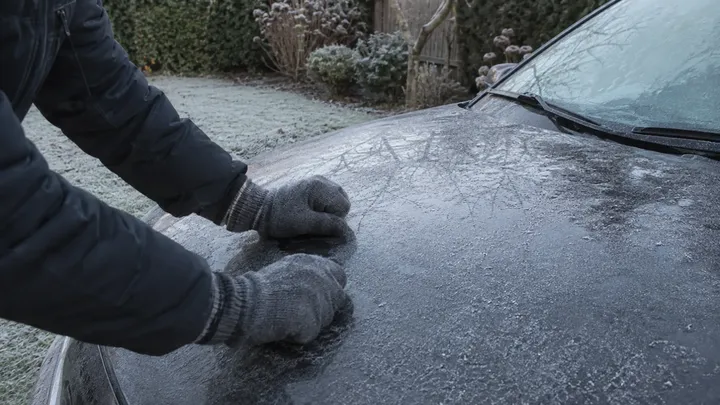
The first frosty mornings bring a familiar routine: scrape the windshield, start the engine, and drive off. But animal rescue organizations would like you to add one small step before starting your car.
When temperatures drop, cats look for warm, sheltered places, and a recently driven car can be one of the most inviting spots in the neighborhood. Cats can climb into the engine compartment, sometimes becoming trapped or too frightened to find their way out.
Animal welfare organizations in the Netherlands, Belgium, the UK, and the US recommend knocking on the hood and checking around the wheels before driving. It takes only a few seconds and could save an animal's life.
Why parked cars are so attractive to cats
According to the animal rescue service at Zwolle Animal Shelter in the Netherlands, some of the cats discovered inside engine compartments are pets that have accidentally escaped from their homes and aren't accustomed to the cold.
A recently switched-off engine provides warmth, while the surrounding space offers protection from wind and rain. Cats can climb onto the tires and make their way into the engine compartment through gaps around the wheels. Once inside, however, they may struggle to find their way back out.
Outdoor cats and strays can also seek shelter in parked vehicles. And according to the British charity Cats Protection, kittens, elderly cats and cats with health problems are particularly vulnerable to cold weather.
Even a cold car can hide a cat
Don't assume your car is safe simply because it has been parked overnight and the engine is completely cold. The space underneath the vehicle can still offer protection from unpleasant weather.
The Dutch Society for the Protection of Animals reports that its animal rescue teams regularly encounter cats that have unknowingly been transported inside vehicles.
Starting the engine can also expose a hiding cat to hot surfaces and moving components, potentially causing serious injuries.
Electric vehicles aren't exempt from the problem either. In June 2026, Atlanta News First reported that a cat had become trapped around the wheel of an electric pickup truck. Technicians from the vehicle manufacturer eventually rescued it.
Knock, look, and wait before starting your car
Dutch animal welfare foundation Stichting DierenLot renewed its warning in November as temperatures began approaching freezing.
Its advice, published by Animals Today, is straightforward:
- Knock firmly on the hood a few times.
- Look underneath the car and around the wheels.
- Listen for meowing, scratching or rustling.
- Give any hiding animal enough time to escape before starting the vehicle.
The British RSPCA and the American ASPCA recommend similar precautions.
Veterinary experts at Cornell University also recommend checking the wheel wells and making some noise before starting the engine.
Remember that silence doesn't necessarily mean there isn't a cat hiding somewhere. If you suspect an animal is inside, investigate further before driving.
What should you do if a cat is trapped inside your car?
If you hear meowing or suspect a cat is hiding inside the engine compartment, don't start the car.
Carefully open the hood while the vehicle is switched off. If the cat has a clear escape route, give it some space and allow it to leave on its own.
Avoid forcibly pulling out a frightened or trapped animal. You could injure the cat or end up being scratched or bitten yourself.
In the US, contact your local animal control department or animal rescue organization. In England and Wales, you can seek assistance from the RSPCA on 0300 1234 999. If the cat appears injured, veterinary attention is important.
How cat owners can reduce the risk
If your cat regularly goes outdoors, consider keeping it inside overnight during particularly cold weather. Provide a comfortable sleeping spot, fresh water, and a litter box.
Cats Protection also recommends providing a dry, weatherproof outdoor shelter and ensuring cats can get back inside whenever they need to.
And whether you own a cat or not, knocking on your car's hood is a prudent winter habit. Those few extra seconds before your morning drive could make all the difference to someone else's beloved pet.