
What you can do
Start with your doctor. If several of these signs sound familiar, ask whether a vitamin D blood test makes sense for you. It is a common test, and it tells you what is really going on instead of guessing. Remember that tiredness, aches and low mood can have many other causes, which is exactly why a check is worth it.
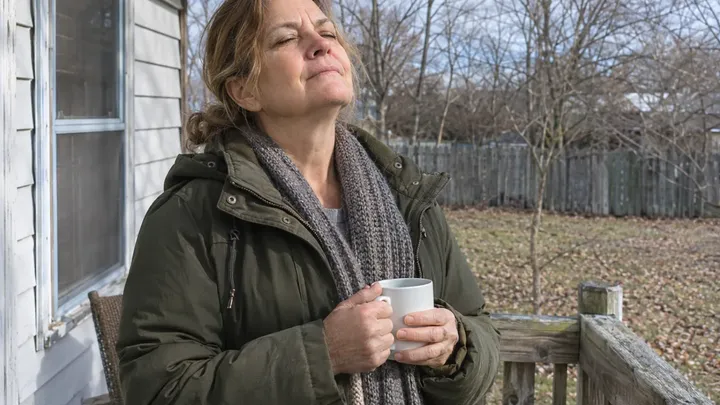
Get outside in daylight. In the darkest months, winter sun won't do much for your vitamin D, but a walk in daylight is still good for you. From spring on, short spells in the sun with your forearms, hands or face uncovered help your skin make vitamin D again; take care not to let your skin redden or burn. Then look at your plate. Oily fish such as salmon, sardines, mackerel and herring are among the best food sources. Egg yolks and red meat contain some, and many foods are fortified with vitamin D, such as most milk in the US, some breakfast cereals, plant drinks and orange juice. Even so, it is hard to get enough from food alone.
What about supplements? Take one only after talking to your doctor or pharmacist, and never take more than the recommended dose. More is not better: taking too much vitamin D over a long time can cause calcium to build up in the body, which can weaken the bones and harm the kidneys and heart. Supplements can also interact with other medicines. If you take medication or have a health condition, check with your doctor before changing your diet. A walk in daylight, the right foods, and one simple test are a good place to start this winter.