
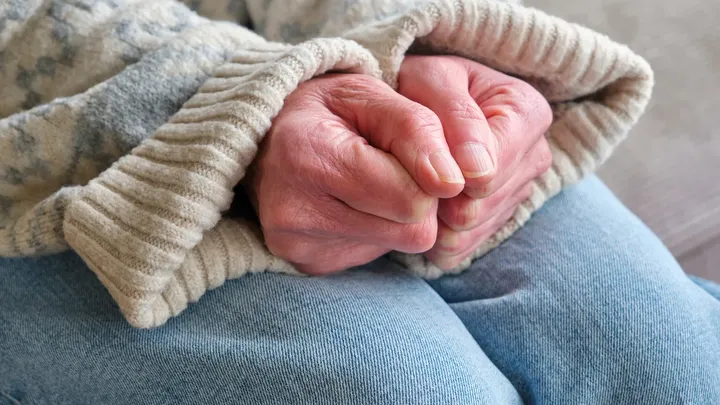
A short walk from the car to the front door is enough for some people to notice something strange. Their fingers turn white and numb, sometimes followed by a bluish or purple colour. Once they're back indoors, the fingers may turn red, tingle and even start to burn.
This can be a sign of Raynaud's phenomenon. It happens when the small blood vessels in the fingers or toes narrow temporarily, usually in response to cold or stress. It's often harmless, but the symptoms can be uncomfortable. And when your hands feel frozen, the first thing you reach for might not be the best way to warm them up.
What happens during a Raynaud's attack?
When you're exposed to cold, the small blood vessels in your fingers and toes tighten. This reduces blood flow to those areas, causing the skin to change colour and sometimes feel numb.
According to Thuisarts, the fingers may first turn white, then blue or purple. As the blood flow returns, they can become red and start to tingle or burn. The nose, ears and lips can also be affected.
Not everyone experiences all three colour changes. However, repeated attacks brought on by cold are a common sign of Raynaud's.
The common mistake to avoid when warming your hands
When your fingers are cold and numb, putting them under a hot tap or holding them against a radiator can seem like the quickest solution. But specialists recommend taking a gentler approach.
The Mayo Clinic suggests a few ways to help your hands warm up:
- Move indoors or somewhere warmer.
- Wiggle your fingers and toes.
- Place your hands under your armpits.
- Make wide circles with your arms.
- Gently massage your hands and feet.
- If you use water, make sure it's warm rather than hot.
The charity Scleroderma and Raynaud's UK also advises against putting cold hands or feet directly against radiators or fires. Avoid hot-water bottles and other intense heat sources, too. When your fingers are numb, you may not notice that something is too hot until it starts to hurt.
The aim is to warm your hands gradually rather than expose them to sudden, intense heat.
Keeping your whole body warm can help
It's not just about protecting your fingers. Keeping your entire body warm can help reduce the chances of another attack.
Thuisarts recommends wearing warm clothes and protecting your hands and feet when temperatures drop. Try dressing in layers, wearing a hat and choosing warm socks. Mittens can also help because your fingers share warmth inside them.
Smoking can make symptoms worse because nicotine narrows the blood vessels. Cold isn't the only trigger, either. Stress and sudden changes in temperature can also bring on an attack.
Why does Raynaud's affect more women?
Raynaud's can affect anyone, but it is more common in women, particularly younger women. The US National Institute of Arthritis and Musculoskeletal and Skin Diseases lists sex, age and family history among the risk factors for primary Raynaud's.
Hormonal and genetic factors may play a role, although researchers don't yet fully understand why women are affected more often.
When should you see a GP?
Raynaud's is often harmless, especially when symptoms start at a young age. However, it's worth speaking to a GP if the symptoms are new, severe or getting worse.
The NHS recommends seeking medical advice if symptoms first appear after the age of 30 or begin to affect everyday life. You should also get checked if attacks affect only one side of your body or happen alongside joint pain, skin rashes or muscle weakness.
Sores or ulcers on the fingertips also need medical attention. Sometimes, Raynaud's is linked to an underlying autoimmune condition, and a GP can help determine whether further tests are needed.
For many people, a few changes to their winter routine can make a difference. And the next time your fingers turn white in the cold, remember that the quickest way to warm them isn't necessarily the safest.
- Slug:
- Meta description: White fingers in the cold? Raynaud's specialists advise warm, not hot, water and keeping your whole body warm. Find out what helps and when to see a GP.
- Tags: Raynaud's, cold hands, white fingers, winter health, circulation, women's health