
There Is Also A Health Reason
The Indian-style toilet also has a body argument behind it, though this is where it helps not to turn the bathroom into a science lecture. In simple terms, squatting changes the angle of the body during a bowel movement. For some people, that position can make the process easier and reduce straining.
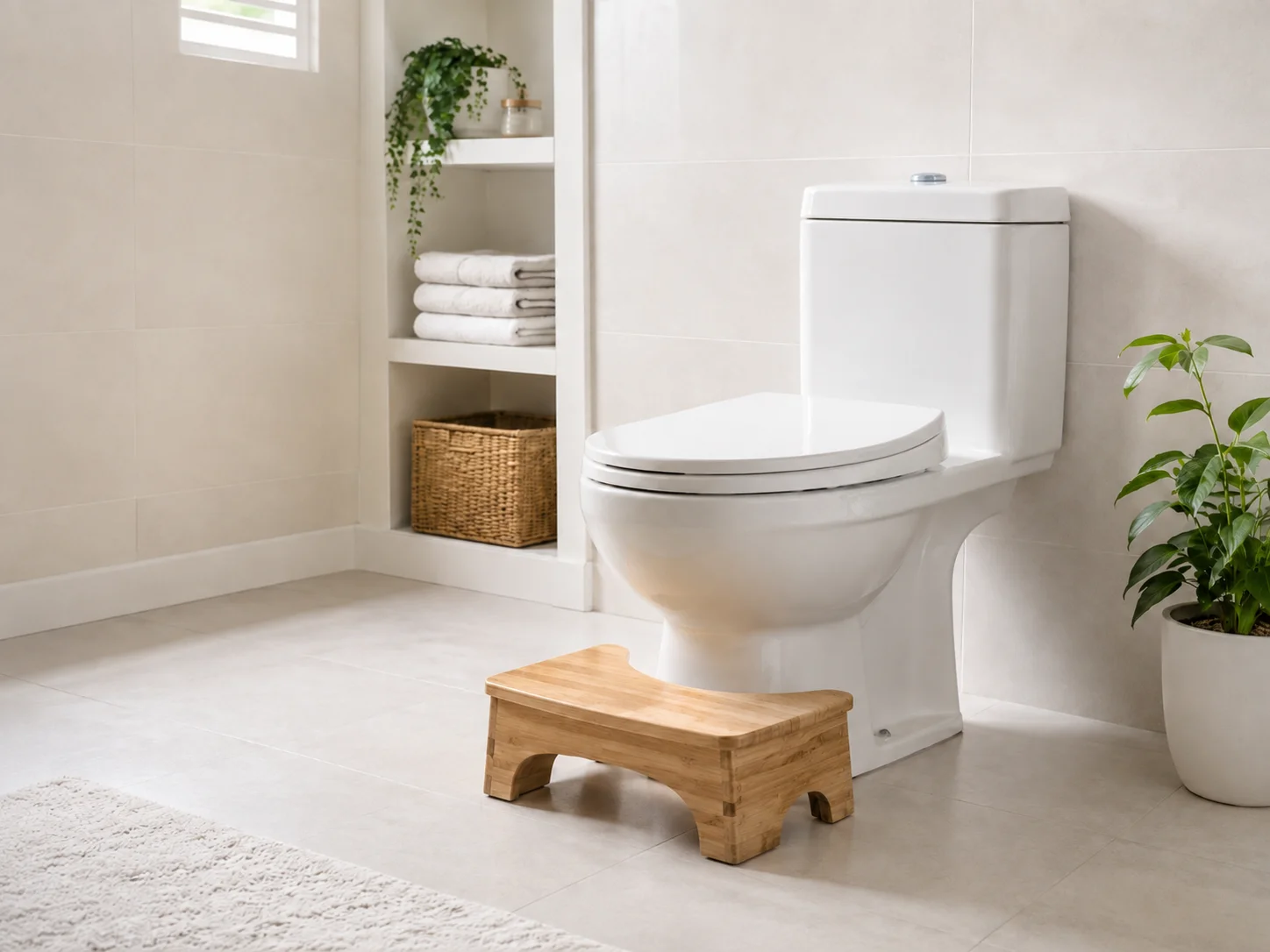
This idea has become familiar even outside India. You may have seen small bathroom footstools sold for Western toilets. Their job is to lift the knees and copy part of the squatting position, while still letting people sit on a normal raised seat. In other words, modern bathrooms have started borrowing a little wisdom from a much older posture and packaging it as a gadget.
Still, the squat toilet is not perfect for everyone. It can be uncomfortable or even impossible for elderly people, pregnant women, people with knee or hip pain, and anyone with mobility problems. What feels natural to one person can feel like a balancing exercise to another. That is why the debate is not about which toilet is universally “best.” It is about which design fits the user, the body, and the home on a normal day, without turning the bathroom into a gym.