
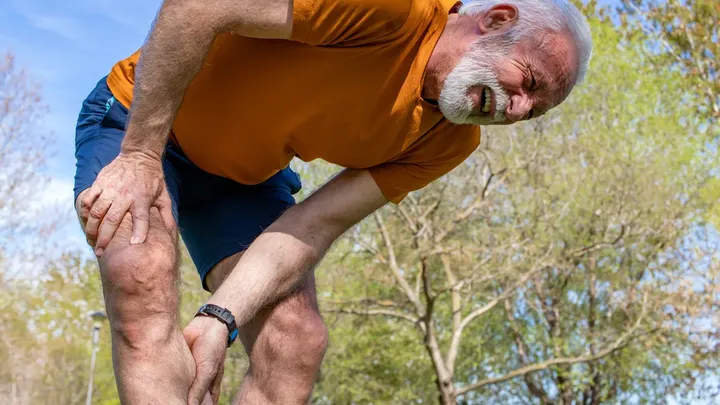
In the Netherlands, there's a name for a circulation problem that sounds almost cheerful: etalagebenen, or window-shopping legs. After walking for a while, you develop a cramp, ache, or heavy feeling in your calf. You stop, perhaps pretending to look at a shop window, and within minutes, the discomfort disappears.
But once you start walking again, the pain returns. This pattern is a characteristic symptom of peripheral artery disease (PAD), a condition in which narrowed arteries restrict blood flow to the limbs.
German vascular specialist Nasser Malyar recently warned in an interview with Der Tagesspiegel that too many circulation problems are recognized too late. Fortunately, treatment doesn't always involve surgery. For many patients, walking itself is an important part of the solution.
Why your calves hurt when you walk
When you walk, your leg muscles need more oxygen than when you're sitting or standing still. If fatty deposits have narrowed the arteries, the blood supply may no longer be sufficient to meet that increased demand.
The resulting discomfort is known medically as intermittent claudication. According to the NHS, it can feel like cramping, aching, or burning. Although it most commonly affects the calves, discomfort can also occur in the thighs or buttocks.
One particularly telling sign is that the pain often returns after walking roughly the same distance. Walking uphill or climbing stairs may bring it on sooner. Once you stop, the discomfort typically disappears within ten minutes.
How it differs from an ordinary leg cramp
A sudden calf cramp in bed is not necessarily a sign of poor circulation. Ordinary nighttime muscle cramps involve an involuntary contraction of the muscle and can often be relieved by stretching.
With intermittent claudication, however, physical effort triggers the discomfort, while resting relieves it.
In more advanced cases of PAD, pain can also occur while resting, particularly at night. It may affect the toes or front of the foot and sometimes improves when the foot hangs over the edge of the bed. This requires prompt medical assessment.
Other signs of poor circulation in your legs
According to the Mayo Clinic and the NHS, other possible symptoms include:
- One foot or lower leg feeling colder than the other.
- Loss of hair on the legs or feet.
- Toenails that grow slowly or break easily.
- Unusually shiny skin or changes in skin color.
- Weakness or numbness in the legs.
- Small wounds on the feet that struggle to heal.
Not everyone with PAD experiences noticeable symptoms. The risk increases with age and is particularly relevant to smokers, former smokers, and people with diabetes, high blood pressure, or high cholesterol.
Why walking is often part of the treatment
It might sound contradictory to treat a condition that makes walking painful by encouraging patients to walk more. However, structured exercise can improve walking ability and reduce symptoms.
For people already diagnosed with intermittent claudication, Dutch medical guidance from Thuisarts.nl describes the following training method:
Walk until the familiar discomfort begins, continue for another ten steps, and then rest until the symptoms disappear. Repeat the process as part of a regular exercise program.
Many patients can walk farther without pain after three months of training. Supervised exercise with a healthcare professional is recommended, alongside measures such as quitting smoking, eating healthily, and taking prescribed medication.
Don't begin this pain-based exercise routine without first having unexplained leg pain assessed by a doctor.
When should you see a doctor?
If you regularly experience calf pain during walks, or notice that you cannot walk as far as you used to, make an appointment with your doctor.
A relatively simple examination comparing blood pressure in your ankle and arm can help identify circulation problems. Early diagnosis matters because PAD is also associated with an increased risk of heart attack and stroke.
If a leg suddenly becomes cold, pale, severely painful, numb, or weak, seek emergency medical help immediately. Call 911 in the United States or your local emergency number.
Recurring calf pain isn't something you should automatically dismiss as part of getting older. Recognizing the pattern and seeking treatment could help you stay mobile and independent for longer.
Medical disclaimer: This article is intended for general informational and educational purposes only and should not be considered a substitute for professional medical advice, diagnosis, or treatment. Calf pain can have various underlying causes, and the symptoms described in this article do not necessarily indicate peripheral artery disease (PAD). Always consult a qualified healthcare professional if you experience persistent, recurring, or unexplained leg pain. Do not begin any exercise program, change your medication, or attempt to treat a suspected circulation problem without medical guidance. Never disregard professional medical advice or delay seeking treatment because of something you have read in this article. If you experience sudden or severe leg pain, numbness, weakness, or a limb that becomes unusually cold or pale, seek immediate emergency medical attention by calling your local emergency number.