
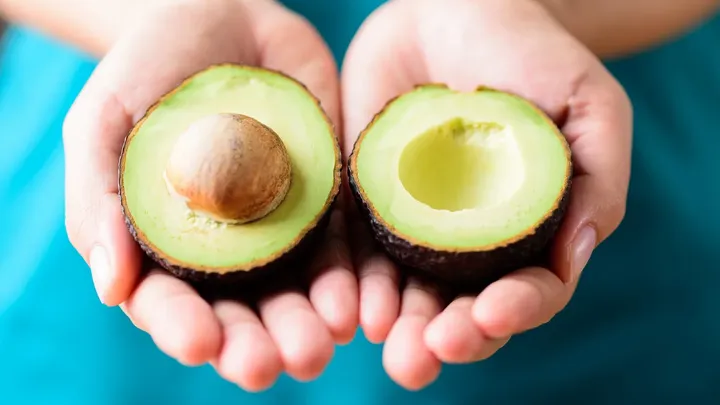
You use half an avocado for breakfast, wrap up the rest and put it in the fridge for tomorrow. And, of course, you leave the pit in. It's advice that's been passed around for years, and it seems to make sense when the flesh underneath stays green.
But if you've ever cut into that leftover half the next day and found a brown surface around the pit, you might have wondered whether the trick actually works. Food scientists have looked into what's happening, and the explanation is more interesting than you might expect.
Why avocados turn brown after cutting
When you cut an avocado, you expose its flesh to oxygen in the air. This triggers a reaction involving an enzyme called polyphenol oxidase, which helps create the brown pigments you see on the surface.
It's similar to what happens when a cut apple turns brown. As Compound Interest explains, the reaction occurs where the fruit is exposed to air.
The color change might make your avocado look less appetizing, but browning alone doesn't necessarily mean it's spoiled. Its smell, texture and any signs of mold matter, too.
Why keeping the pit in only partly works
If you've ever removed the pit from a leftover avocado and found bright green flesh underneath, you've seen the trick working — just not quite as you might expect.
Rutgers food scientist Karen Schaich explained to Inverse that the pit doesn't stop the browning process. It simply blocks oxygen from reaching the flesh directly beneath it.
The McGill University for Science and Society makes the same point: the pit protects only the area it covers.
So there's no harm in leaving it in, but don't expect it to keep the entire avocado green.
Three ways to slow avocado browning
The trick is to limit how much air reaches the exposed flesh. A few simple steps can help.
- Cover the cut surface tightly. Press plastic wrap directly against the flesh or store the avocado in a snug, airtight container. This helps reduce its contact with air.
- Add a little lemon or lime juice. The acidity can slow the browning reaction. It won't prevent discoloration completely, but it can help if you don't mind a hint of citrus flavor.
- Put it in the refrigerator. Cold temperatures slow the enzyme activity responsible for browning. For better results, combine refrigeration with a tight cover.
Is a brown avocado still safe to eat?
If your avocado has developed a thin brown layer overnight, you don't necessarily need to throw it away. You can often scrape off the discolored surface to reveal greener flesh underneath.
Browning by itself isn't proof that an avocado has gone bad. However, if it smells unusual, feels excessively mushy or has visible mold, it's best to discard it.
Next time you save half an avocado for tomorrow, feel free to leave the pit in. Just remember that it protects only the small patch beneath it. Covering the exposed flesh and storing it in the refrigerator are much more useful ways to keep the rest looking fresh.