
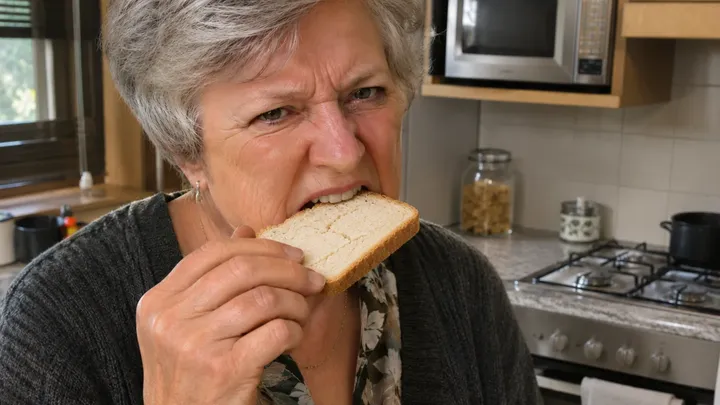
A crusty loaf from the bakery is as hard as a board two days later. Before you throw it away, however, there's an old kitchen trick worth trying.
Surprisingly, the bread can emerge with a crispy crust and a soft, warm interior, almost as though you've just bought it from the bakery. There's a scientific explanation for why this works, but there's also a catch: the results don't last particularly long.
Why bread becomes hard in the first place
It's easy to assume that bread becomes stale simply because it loses moisture. However, much of the change happens within the bread itself.
According to the Dutch baking school De Broodbakschool, starch molecules gradually reorganize into crystalline structures after baking. This natural process, known as retrogradation, makes the inside of the bread increasingly firm.
Interestingly, refrigeration accelerates this process. That's why an ordinary loaf of bread can become stale faster in the refrigerator than in a bread box on your kitchen counter. Freezing, on the other hand, considerably slows down the process.
Why heating bread makes it soft again
The good news is that retrogradation can be partially reversed. Food science research indicates that heating bread to an internal temperature of around 122–140°F (50–60°C) can melt some of the starch crystals that formed during storage.
As a result, the bread temporarily becomes softer.
Adding a little water before reheating helps compensate for moisture loss. Meanwhile, the heat of the oven restores some of the crust's original crispness. Together, these two changes can make yesterday's bread considerably more appetizing.
How to revive a stale loaf of bread
The Belgian food platform Lekker van bij ons recommends a particularly straightforward method:
- Preheat your oven to approximately 350°F (180°C).
- Sprinkle the crust with water or briefly hold it under a running faucet.
- Wrap the bread in aluminum foil.
- Place it in the oven for approximately ten minutes.
If you prefer an especially crispy crust, remove the foil toward the end of reheating.
This trick works particularly well with baguettes, sourdough, rustic bakery loaves, and crusty dinner rolls.
Which method works best?
The American food website The Kitchn compared six different ways of reviving stale baguettes.
Running the bread under the faucet and baking it without foil for ten minutes at 450°F (230°C) received an impressive score of 9.5 out of 10.
However, the surprising winner involved wrapping the bread in a damp paper towel, microwaving it for ten seconds, and then finishing it in a toaster oven. This produced a crunchy exterior and a fluffy interior, earning a perfect score.
If you don't have a toaster oven, the conventional oven method is an excellent alternative.
Why you shouldn't save the bread for tomorrow
Unfortunately, reheating bread doesn't permanently reverse the aging process. As the bread cools, its starch molecules begin crystallizing again. Reheating can also cause additional moisture loss.
Food chemist and baker Andrew Ross of Oregon State University told Bon Appétit that refreshed bread is best eaten on the same day.
Ideally, revive only as much bread as you intend to serve at your next meal, rather than repeatedly reheating the entire loaf.
And remember: stale bread and spoiled bread are different things. If you discover mold, discard the entire loaf. Mold can penetrate further into porous foods than you can see.
What if the bread is too hard to save?
Even extremely dry bread doesn't necessarily belong in the trash. You can turn it into crunchy croutons for winter soups, homemade breadcrumbs, French toast or a comforting bread pudding.
With Christmas approaching and more bread than usual likely to be sitting in the kitchen, knowing this little trick could save you another trip to the bakery – and help reduce your grocery bill.