
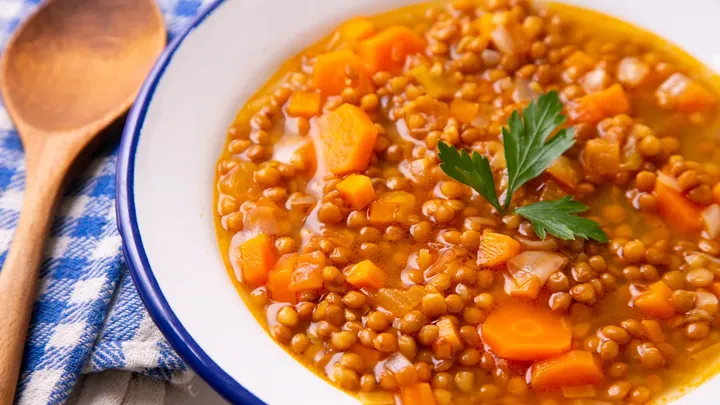
In many Spanish kitchens, the lentil stew gets a splash of vinegar just before serving. “My grandmother said it was good for the iron,” a Spanish TV presenter told nutritionist Pablo Ojeda.
His advice has been attracting attention in Spain as stew season arrives: add an ingredient rich in a particular vitamin that helps your body absorb the iron in lentils better. According to nutrition experts, what you drink alongside your lentils may matter just as much as what goes into the pot.
Why your body struggles to absorb iron from lentils
Lentils, chickpeas and beans are excellent additions to a healthy diet, especially if you're trying to eat less meat. But the iron they contain isn't quite the same as the iron in a steak.
There are two types of iron: haem iron, found in animal foods, and non-haem iron, found in both plant and animal foods. Your body absorbs haem iron more easily.
According to nutritional information, we absorb around 15% of the iron in an average diet. For vegetarians, that figure is approximately 10%.
That doesn't mean lentils are a poor choice. It simply means that eating the right foods alongside them can make a difference.
The simple ingredient that makes a difference
The best-supported part of Ojeda's advice is vitamin C.
Amsterdam UMC recommends eating vitamin C-rich vegetables or fruit with meals because the vitamin helps the body absorb non-haem iron.
Fortunately, you don't need complicated recipes or expensive ingredients.
A lentil stew with chopped red pepper and tomato is an easy combination. Chickpea curry works well with a squeeze of lemon juice, while a bowl of split pea soup can be followed by an orange or mandarin. Even baked beans on toast can benefit from some fresh red pepper on the side.
One important detail: not all fruit is equally helpful. Apples, bananas and dried fruits generally contain much less vitamin C than citrus fruits or kiwi.
Why your cup of tea could work against you
Here's something many home cooks overlook. Tea and coffee contain polyphenols, compounds that can reduce the absorption of non-haem iron when consumed with a meal.
The Dutch Nutrition Centre also explains that calcium in dairy products can temporarily reduce iron absorption, although its overall effect is small and isn't considered a reason to avoid dairy.
If you're concerned about your iron intake, consider having water with your lentil stew and saving your usual tea or coffee for between meals.
There's no need to abandon your favourite drinks. Your overall diet and existing iron stores matter more than any single cup.
So, was grandmother right about the vinegar?
There's a little catch.
Ojeda's advice, reported by Spanish newspaper El Español, groups vinegar with ingredients that can help iron absorption.
But ordinary, store-bought vinegar contains virtually no vitamin C. While certain organic acids can improve iron availability, the evidence that a small splash of vinegar itself significantly boosts absorption from lentils is much less established.
So keep adding vinegar if you enjoy its sharp flavour. Just make sure there's some vitamin C-rich food on the plate too.
And if you're frequently exhausted, unusually pale, or short of breath, speak to your doctor about possible iron deficiency rather than relying on kitchen tricks. Iron supplements should only be taken when medically appropriate.
Sometimes, the smartest change to a familiar autumn dinner isn't in the cooking at all. It's what you serve alongside it.