
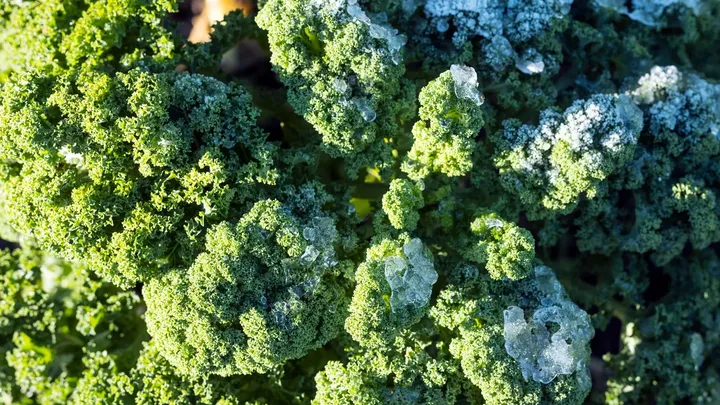
In many families, the first kale dinner of the season had to wait. Grandparents insisted that kale only tasted right once a night frost had passed over the garden. Only then was it time for boerenkool stamppot, the traditional Dutch dish of mashed potatoes and kale.
They weren't entirely wrong. Cold weather can make kale sweeter because the plant changes the sugars inside its leaves to help protect itself against freezing temperatures.
But there's a catch.
Why cold weather makes kale sweeter
When temperatures fall, kale begins adjusting its internal chemistry to survive the cold.
One of those changes involves sugars. According to science magazine Quest, the plant can convert stored starch into sugars as part of its response to falling temperatures.
Those sugars act a little like natural antifreeze. They help lower the freezing point of the liquid inside plant cells, reducing the risk of damage during cold weather. Scientists call this process cold-induced sweetening.
Crop scientist Paul Struik has confirmed that the effect occurs in kale, potatoes, and other crops. The extra sweetness may also make the vegetables more pleasant to eat. Kale isn't the only vegetable associated with this effect. Brussels sprouts, parsnips, and carrots can also develop a sweeter flavor in cold growing conditions.
But can you actually taste the difference?
Although the plant's chemistry changes in cold weather, that doesn't necessarily mean every person will notice a sweeter taste.
Researchers in the United States have found another interesting detail. A study at the University of Tennessee examined kale and other brassicas grown for wildlife forage. Researchers found slightly higher sugar concentrations in kale leaves after frost, but starch levels hadn't decreased as expected.
Vegetable grower Mike Glas explains that modern kale varieties have been bred to taste sweeter even without frost. He also pointed out that customers buying kale in September weren't complaining about its flavor. An earlier newspaper taste test likewise found no noticeable difference between kale harvested before and after frost.
In other words, the traditional explanation doesn't tell the whole story.
Why putting kale in the freezer doesn't work
If frost makes kale sweeter, couldn't you simply put fresh kale in your freezer overnight? Unfortunately, it isn't that simple.
The sweetening process requires a gradual response to cold. A household freezer lowers the temperature too quickly to reproduce those changes.
The important difference is that a living kale plant can gradually adapt while growing outdoors. Once the leaves have been harvested, freezing them doesn't recreate that growing process.
You can certainly freeze kale for storage, but don't expect it to develop the same sweetness.
When to harvest kale for the best flavor
If you're growing kale yourself, there's no need to rush outside at the first sign of frost. Wait until frozen leaves have thawed before picking them, as they're more easily damaged while still frozen.
Garden supplier Pokon says winter kale can generally be harvested until late February, although the exact season depends on the variety and weather. For a longer harvest, pick the older, lower leaves first and leave the growing center intact.
In the kitchen, wash the leaves thoroughly, remove the thick, tough stems, and chop the remaining greens. They're excellent in hearty soups, sautéed with garlic, or cooked into traditional Dutch mashed potatoes.
And if your kale hasn't experienced a frost yet? There's no reason to keep dinner waiting. Modern varieties can taste perfectly good long before winter's first icy morning.