
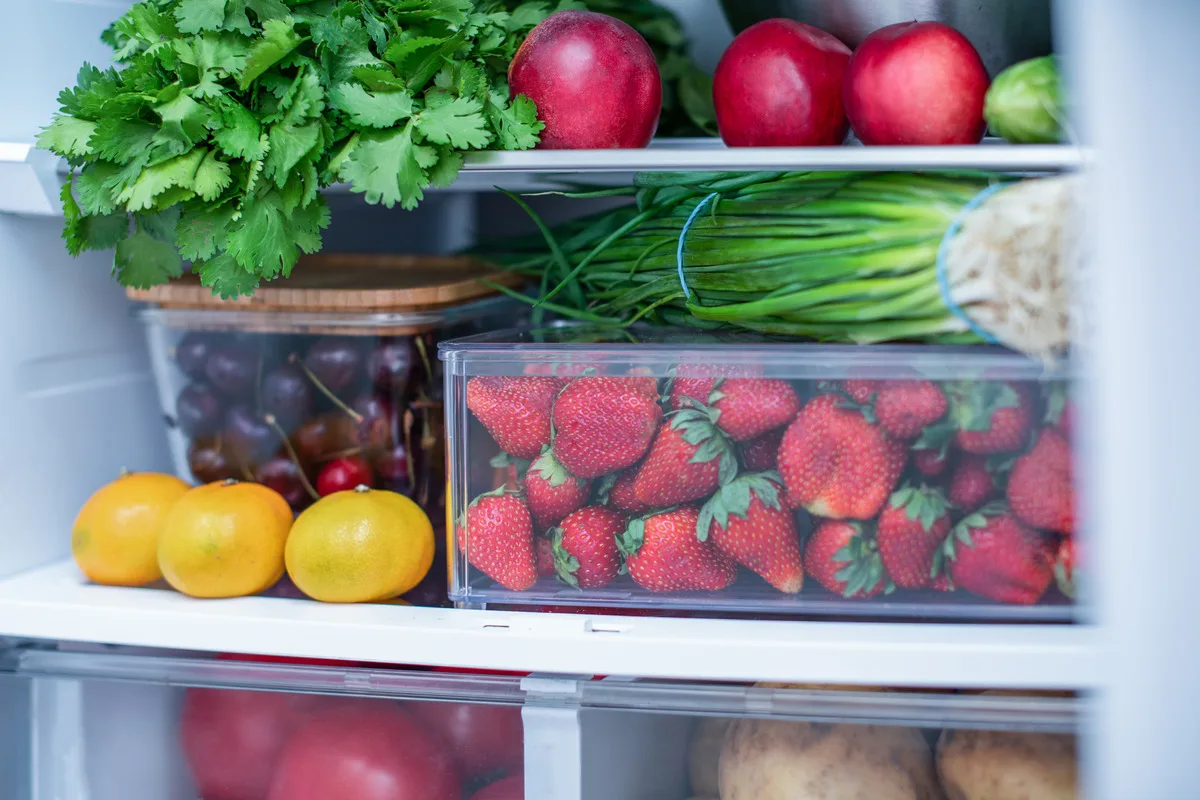
You're halfway through making dinner when you realise you need some vegetables.
You open the fridge and find the broccoli you bought a few days ago. It's still perfectly usable, but it's starting to look a little tired. Then you remember the bag of frozen vegetables sitting in the freezer.
Which one would you choose?
Most of us would probably reach for the fresh vegetables without thinking twice. After all, "fresh" sounds like the obvious choice when you're thinking about vitamins and nutrition.
But there's a little more to the story once those vegetables have spent several days in the fridge.
Fresh doesn't automatically mean more nutritious
According to the Netherlands' Nutrition Centre (Voedingscentrum), both fresh and frozen vegetables are part of its Schijf van Vijf, the Dutch guide to healthy eating.
It also says that frozen vegetables can contain just as many nutrients as fresh, unprocessed vegetables, provided you choose versions without added salt or sugar.
That's partly because vegetables don't stop changing once they've been picked. Storage time, temperature and processing can all affect their nutritional content.
For many fresh vegetables, the longer they sit around, the more their nutrient levels can change. Frozen vegetables have a different advantage: freezing slows many of the changes that happen during storage.
Researchers compared fresh, refrigerated and frozen vegetables
A 2017 study looked at this in a way that's particularly relevant to normal shopping habits.
Researchers compared eight fruits and vegetables, including broccoli, cauliflower, green beans, peas and spinach. They looked at fresh produce, frozen produce and fresh produce that had been kept refrigerated for five days.
They measured several nutrients, including vitamin C, folate and beta-carotene, a compound the body can use to make vitamin A.
Most of the comparisons showed no significant difference between the different forms. But when there was a significant difference, frozen produce was more often higher in nutrients than the fresh vegetables that had spent five days in the fridge.
The researchers concluded that the results did not support the common assumption that fresh produce is always substantially more nutritious than frozen produce.
There is an important detail, though: the study was supported by a grant from the Frozen Food Foundation, an organisation focused on frozen foods. That doesn't make the findings useless, but it's worth knowing when considering the evidence.
The UC Davis study found something similar
Another study from researchers at the University of California, Davis compared vitamin levels in eight fruits and vegetables stored either in the refrigerator or freezer.
The researchers looked at vitamin C, riboflavin, vitamin E and beta-carotene. Their results found that frozen produce generally retained its vitamins well, with some nutrients showing higher levels in frozen samples than in refrigerated ones.
It's not proof that frozen vegetables are always better. Different vegetables behave differently, and the amount of time between harvesting, buying and eating fresh produce can vary considerably.
But it does challenge the idea that putting a vegetable in the freezer automatically makes it nutritionally inferior.
So which should you buy?
If you're going to cook the broccoli tonight or tomorrow, there's no reason to avoid the fresh option.
But if you know your vegetables are likely to sit in the fridge for most of the week, frozen vegetables can be a perfectly sensible alternative. They can also make it easier to keep vegetables on hand without worrying about them becoming limp before you get around to cooking them.
Just check the label. A plain bag of frozen broccoli, peas or spinach is a different choice from a frozen vegetable mix with added salt, butter, cream or sauce.
In the end, the most useful distinction isn't really fresh versus frozen. It's whether the vegetables actually make it onto your plate.
If a bag from the freezer helps you eat more vegetables and throw less away, there's no nutritional reason to feel like you've chosen the "second-best" option.