
The most surprising part
The special fiber in oats is called beta-glucan, and this is where the research gets interesting. Many studies have found that oat beta-glucan can help lower LDL cholesterol, the kind often called "bad" cholesterol, as part of a healthy diet. Researchers think the gel binds to some of the bile acids your body makes from cholesterol and carries them out of the body, so the body uses more cholesterol from the blood to make new ones.
The evidence is strong enough that the US Food and Drug Administration has allowed foods made with whole oats to carry a heart-health claim since the late 1990s. It is based on about 3 grams of oat beta-glucan a day, eaten as part of a diet low in saturated fat and cholesterol. In Europe, a similar claim about oat beta-glucan and blood cholesterol has been approved too. One bowl of oatmeal gives you part of that amount; oats in other meals add more.
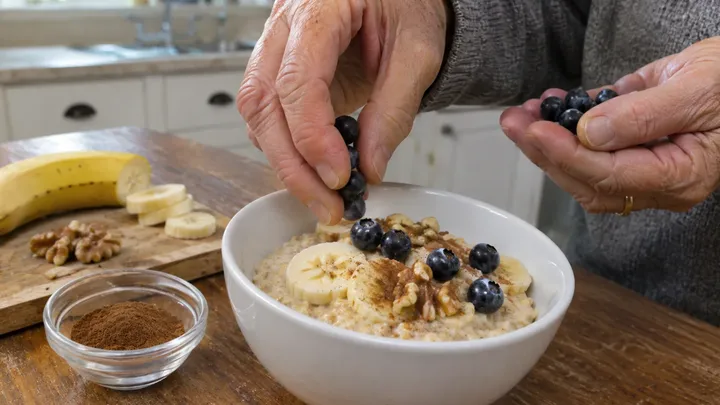
How you eat it matters. Choose plain rolled or steel-cut oats, not the flavored instant packets, which often come with a lot of added sugar. Cook them with water or milk and add your own toppings: berries, a sliced banana, a spoonful of nuts, or a pinch of cinnamon. If you have celiac disease, talk to your doctor first and look for oats labeled gluten-free, because regular oats are often processed alongside wheat. And keep it in perspective: oatmeal is a helpful habit, not a miracle food. If you take medication or have a health condition, check with your doctor before changing your diet.