
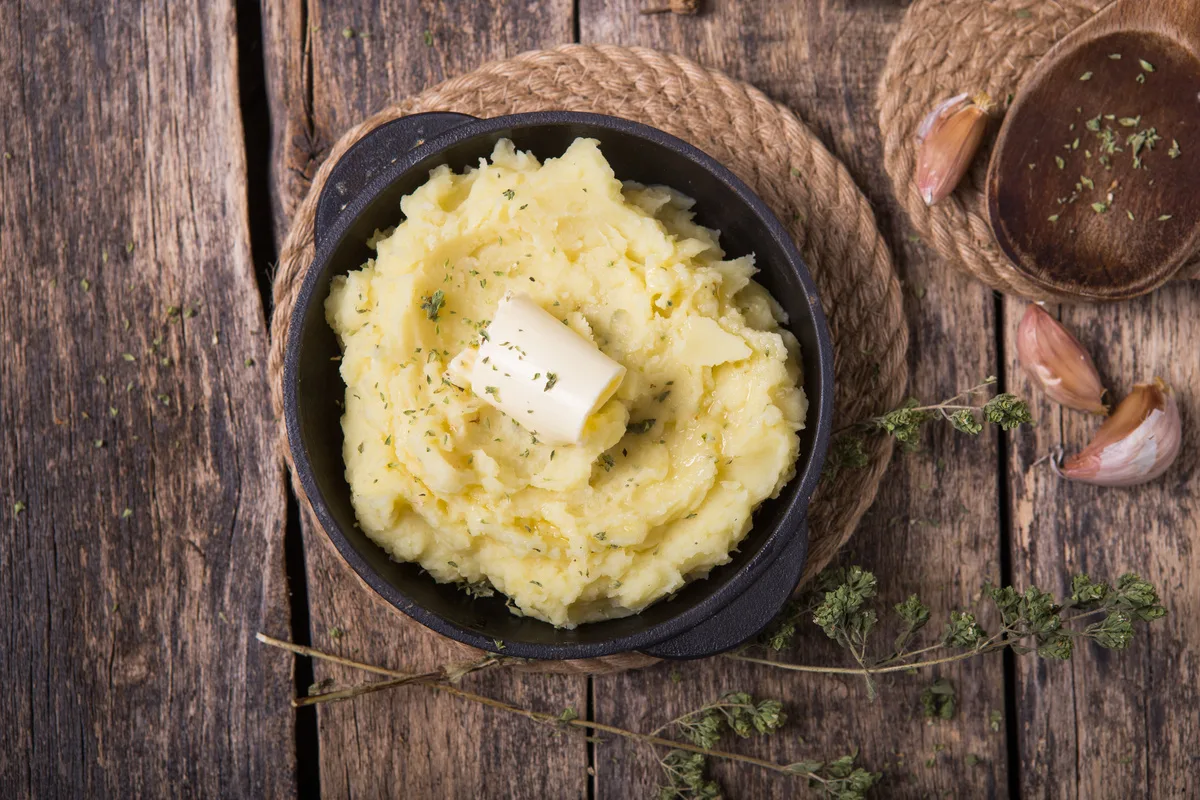
Mashed potatoes are back on the weekly menu, and so is a familiar disappointment: mash that tastes a little flat despite plenty of butter and a splash of milk. One easy way to change both the flavor and texture is to reach for crème fraîche instead.
The cultured cream adds richness, but it also brings a mild tang that stops the potatoes tasting overly heavy. It is a trick used in professional kitchens too.
Let's look at how this can be done and why it adds so much extra flavor.
Why crème fraîche works so well in mashed potatoes
Crème fraîche is thicker and richer than milk, so it gives mashed potatoes more body without needing to add large amounts. Its slight acidity also helps balance the butter and starch, giving the finished mash a fresher flavor rather than simply making it richer.
Full-fat crème fraîche is also well suited to hot dishes. Traditional versions have enough fat to resist curdling more readily than sour cream, although the exact fat percentage depends on the product. Supermarket versions in the Netherlands and UK are often around 30%.
You do not have to replace every drop of milk, either. For an everyday batch, crème fraîche works especially well as a partial swap.
Choose the right potato
The potato itself still makes a big difference. Floury or starchy varieties are the easiest choice for light, smooth mash. In the UK, Maris Piper and King Edward are reliable options. In the US, russets work well, while Yukon Golds give a naturally creamier, slightly denser result.
In the Netherlands and Belgium, look for potatoes sold as floury or “kruimig.” Avoid very waxy salad potatoes if you want a classic fluffy mash, as they need more working and can become sticky.
The order matters more than you might think
Start by cooking the potatoes until completely tender, then drain them thoroughly. Letting excess steam escape helps prevent watery mash.
Mash or rice the potatoes while they are still hot. Add the butter first, then fold in the crème fraîche gently. If the mixture is thicker than you like, loosen it with a little warm milk rather than cold milk straight from the fridge.
Warm dairy also avoids cooling the potatoes unnecessarily. Most importantly, do not keep beating or stirring once the texture is right. Overworking cooked potatoes can release too much starch and leave the mash dense and gluey.
For 1 kg (2.2 lb) of potatoes, around 100 to 150 g of crème fraîche is a practical starting point. Add more for a richer result, or keep some warm milk nearby if you prefer a softer mash.
Three easy ways to make it even better
Once the basic version works for you, there is plenty of room to change the flavor. Stir through chopped chives just before serving for freshness, fold in roasted garlic for a deeper savory note, or add a little extra butter when reheating leftovers.
Mashed potatoes are always at their best freshly made, but if you do reheat them, adding some hot cream or other dairy can help bring back a softer texture.
The main trick is simple: keep the potatoes hot, add the butter before any other dairy, and use crème fraîche as the creamy finishing touch. It is a small supermarket swap, but it can make an ordinary bowl of mash easily taste noticeably more polished.