
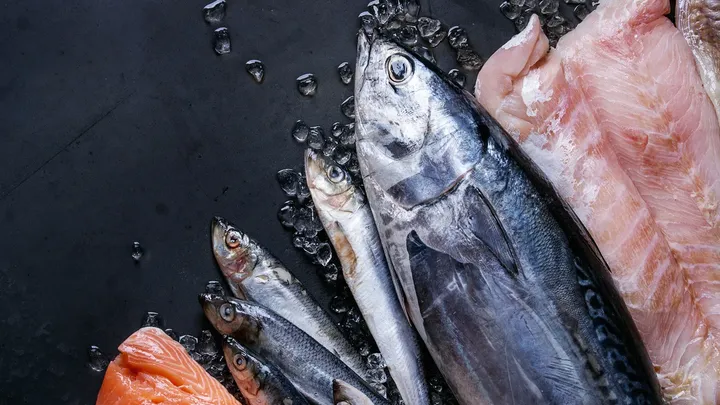
Cod is a familiar favourite for a reason. It has a mild flavour, a flaky texture and works in everything from fish pie to homemade fish fingers. The problem is that it can also be one of the more expensive options at the fish counter. If you're trying to keep the cost of your weekly shop down, you might be wondering whether another white fish could do the same job.
Fishmongers have been recommending alternatives for years, and some are already common in everyday favourites such as kibbeling and battered fish. But there's more to choosing a replacement than simply looking for the cheapest fillet. Different fish have different textures, and recent changes to Britain's seafood sustainability guide have made the choice more complicated.
Which fish can replace cod?
One alternative making the rounds is lieu noir, known in the UK as coley or saithe and in the Netherlands as zwarte koolvis. A French fishmonger recommended it to a customer looking for a less expensive fish, describing it as just as delicate as cod.
Coley has a mild flavour and flaky flesh, making it a useful stand-in for cod. The Marine Conservation Society (MCS) also describes it as a good alternative with a similar texture.
Other options include:
- Haddock (schelvis): A popular choice for fish and chips, but also suitable for homemade fish fingers, soups and curries. Its flavour is slightly more distinctive than cod's.
- Whiting (wijting): Often described as a smaller, more delicate relative of cod. It works well pan-fried or in batter.
- Hake (heek): Mild and versatile, with softer flesh that works well in oven dishes and when pan-fried.
- Ling (leng): Firmer flesh helps it hold its shape, making it particularly suitable for grilling.
- Alaska pollock: Commonly used in fish fingers and fishcakes, especially in the US. It is a different species from coley, despite the similar name.
Why the catch area matters
In its October 2026 update, the MCS moved coley caught in the North Sea, west of Scotland, Rockall and the Skagerrak to red, citing declining stocks and the absence of a recovery plan. However, coley caught in Icelandic waters remains green when it carries MSC certification.
Hake caught in the North Sea, Celtic Seas and Bay of Biscay also moved from green to amber. Cornish hake with MSC certification remains green. Haddock from Iceland dropped to amber, while catches from the North Sea, Skagerrak and Scottish waters retain their green rating.
The takeaway is that a fish species does not have one universal sustainability score. Where and how it was caught can change the recommendation. You can check the individual ratings in the MCS Good Fish Guide.
What should you check on the label?
For fresh and frozen fish sold in the EU and UK, labels should provide information about the catch area and fishing method. So don't just look at the fish's name; check where it came from, too.
For cod, VISwijzer recommends Arctic cod caught by line or gillnet as its best choice. If that information is unavailable, it advises looking for the MSC label.
In Dutch shops, remember that zwarte koolvis (coley or saithe) and Alaska pollock are different species. If a packet simply says 'koolvis', check the full species and origin details where available.
How to cook the alternatives
Most of these fish can go into the same recipes as cod, but their textures are not identical. Coley is softer and can dry out if cooked for too long, so keep an eye on it. A sauce, herb crust or batter can help keep the finished dish moist.
Haddock works well with a crisp pan-fried coating, while ling's firmer flesh makes it suitable for the grill. For fish pie or an oven dish, choose thicker pieces that are less likely to break apart.
So the next time cod is too expensive, you don't have to abandon your favourite fish recipe. Just check which fish you're buying and where it was caught. That small detail can make all the difference.