
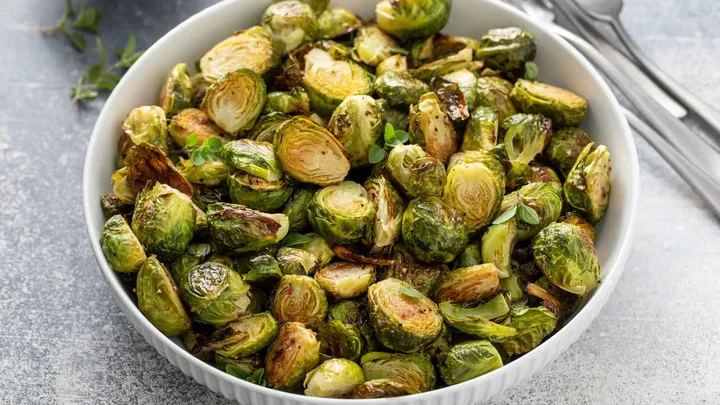
Anyone who grew up in the 1970s or 1980s probably remembers Brussels sprouts as bitter little cabbages that filled the house with an unpleasant sulfur smell. That memory isn't entirely wrong. But something interesting has happened to Brussels sprouts over the past few decades: scientists have helped make them taste better.
In the 1990s, a Dutch researcher identified two natural compounds responsible for much of their bitterness. Plant breeders subsequently developed milder varieties, meaning the Brussels sprouts sold today generally taste different from those our parents cooked. However, one familiar cooking habit can still bring back that bitter flavor.
The Dutch discovery that changed Brussels sprouts
In the 1990s, Dutch scientist Hans van Doorn was working at Novartis Seeds in the Netherlands when he investigated why some Brussels sprouts tasted considerably more bitter than others.
His research identified two naturally occurring compounds, called sinigrin and progoitrin, that strongly influence their bitterness. The findings appeared in the Journal of the Science of Food and Agriculture in 1998.
These compounds belong to a group called glucosinolates, which help protect plants against insects and other animals. The discovery gave plant breeders an opportunity. They searched for older Brussels sprout varieties containing lower amounts of these bitter compounds and crossed them with productive modern varieties.
The result was a new generation of Brussels sprouts that retained the advantages of modern crops while offering a milder flavor. This was achieved through traditional selective breeding, not genetic modification.
Why boiling brings back the unpleasant smell
Even today's milder Brussels sprouts can become unpleasant when they're overcooked.
According to Harvard's Nutrition Source, prolonged cooking, particularly boiling, makes their bitter flavors and strong odors more noticeable.
The explanation lies partly in their sulfur-containing compounds. When Brussels sprouts are cut, chewed, or cooked, chemical reactions produce substances responsible for their distinctive smell and taste. Long cooking also leaves the vegetables increasingly soft and watery.
That's why a pot of sprouts left bubbling on the stove for half an hour can still remind people of childhood dinners. Fortunately, there's another cooking method that produces a noticeably different result.
Why roasting makes Brussels sprouts taste sweeter
Roasting Brussels sprouts allows their outer leaves to brown, something that doesn't happen when they're submerged in boiling water.
At high temperatures, a process called the Maillard reaction produces new flavors and aromas. The result is a nutty, slightly sweet taste, with crisp edges and a tender center.
Harvard recommends the following method:
- Preheat your oven to 400°F (200°C).
- Wash the Brussels sprouts and remove any damaged outer leaves.
- Cut them in half and arrange them cut-side down on a baking sheet lined with parchment paper.
- Drizzle with olive oil and sprinkle with salt.
- Roast for approximately 18 minutes for smaller sprouts, or 20–25 minutes for larger ones.
They're ready when the cut surfaces are golden brown and a fork slides easily into the centers.
For extra flavor, add a little garlic powder, black pepper, or grated Parmesan before serving.
Prefer boiled Brussels sprouts? Keep the cooking time short
Boiling isn't necessarily a problem. Leaving Brussels sprouts in the water too long is.
Dutch recipe publisher Allerhande recommends approximately six minutes for sprouts that are still firm and nine minutes for softer ones. Very small sprouts may need only two to three minutes to become tender-crisp.
Drain them immediately once they're cooked. If you're preparing them ahead of time, rinsing briefly under cold water stops further cooking.
Steaming is another option. Harvard suggests steaming sprouts for six to eight minutes, lifting the lid occasionally to release strong-smelling sulfur compounds.
Whether you're preparing Christmas dinner, Thanksgiving vegetables or a traditional potato mash, the lesson is simple: modern Brussels sprouts have become milder, but how you cook them still makes a remarkable difference.
And if you haven't tried them since childhood, roasting a fresh batch might just change your opinion.