
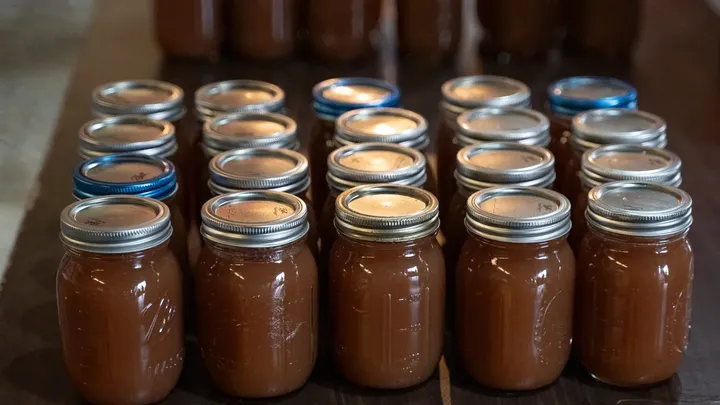
A spoonful of dark, sweet syrup on a slice of bread might seem like an unusual way to get more iron. Yet some varieties contain surprisingly high amounts of this important mineral. That may explain why generations of families have recommended it as an iron-rich addition to breakfast.
But there's a catch: not all apple syrups are made the same way. Depending on the ingredients, one product can contain considerably more iron than another. So what should you look for, and is this sweet spread really as healthy as its reputation suggests?
The secret is in the ingredients
The iron content of apple syrup depends largely on what goes into it. Traditional Dutch apple syrup, for example, is often made using a combination of apple juice and sugar beet juice.
According to the Dutch Nutrition Centre (Voedingscentrum), many varieties contain around 70% sugar beet juice and 30% apple juice. Beet juice is cheaper and sweeter, which makes it an attractive ingredient for manufacturers.
It also happens to be the main source of iron. Apples themselves contain very little of the mineral, meaning syrup made entirely from apples won't offer the same nutritional benefit.
This is why it's worth checking the ingredients rather than assuming every product labelled apple syrup has the same properties.
How much iron do you actually get?
In the traditional Dutch-style variety, the numbers are quite interesting. It contains around 13 milligrams of iron per 100 grams. A typical 20-gram serving, roughly what you might spread on a slice of bread, provides about 2.5 milligrams.
For comparison, the US National Institutes of Health recommends 8 milligrams of iron a day for adult men and 18 milligrams for women aged 19–50. So a serving can make a noticeable contribution to your daily intake.
However, there's another number worth paying attention to: sugar. That same 20-gram serving contains roughly three sugar cubes' worth. This is why apple syrup isn't included in the Voedingscentrum's recommended daily food guide, even though it can still be enjoyed as a sweet spread in moderation.
A little vitamin C can help
There's another detail that matters when it comes to getting iron from food. The iron in apple syrup is non-heme iron, the type found in plant-based foods. Our bodies generally absorb it less easily than heme iron, which is found in animal foods.
The NIH explains that vitamin C helps the body absorb non-heme iron. So if you enjoy apple syrup on toast, having some fruit alongside it, such as kiwi, oranges or strawberries, can be a useful combination.
Other foods can provide iron too, including legumes, nuts and green vegetables. The NHS lists beans, nuts, dried fruit and fortified breakfast cereals among good sources of iron.
What about blackstrap molasses?
In the United States and the United Kingdom, blackstrap molasses is sometimes mentioned as another iron-rich syrup. It's a thick, dark product left over from processing sugar cane.
Its iron content can vary between products. For example, a USDA FoodData Central record for Plantation Unsulphured Blackstrap Molasses lists 3.6 milligrams of iron in a 21-gram tablespoon serving. It's another source of plant-based iron, but like apple syrup, it's still a sweetener rather than a substitute for a balanced diet.
Can apple syrup fix an iron deficiency?
Not on its own. Even varieties with a relatively high iron content also contain plenty of sugar, making them unsuitable as a treatment for iron deficiency.
If you're often tired, feel unusually weak or suspect you might have an iron deficiency, it's better to speak to your doctor. The NHS explains that a blood test can help diagnose iron-deficiency anemia.
So, apple syrup can provide some iron, but don't assume every jar offers the same benefit. Check the ingredients, pay attention to the sugar content and remember that there are healthier ways to get the iron your body needs.