
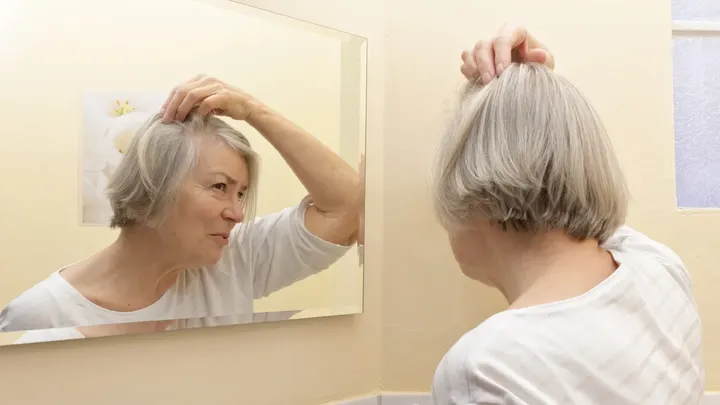
For many people, washing their hair is as automatic as brushing their teeth. Every morning, or every other day, they've followed the same routine since their twenties. But that routine might no longer suit their scalp.
Belgian microbiologist Chris Callewaert recently told Dutch science magazine Quest that frequent shampooing can interfere with the scalp's natural protective oils and bacteria. Meanwhile, dermatologists point to another important factor: our skin's oil production can change as we get older. That means someone who needed daily shampoo at 30 might be perfectly comfortable washing less often at 55 or 65.
What happens to your scalp when you use shampoo?
Callewaert, who earned his PhD at Ghent University, explained in a recent Quest interview that regularly washing hair with shampoo only became commonplace after World War II.
He argues that shampoo removes natural oils from the scalp, potentially encouraging it to produce more oil afterward. In his view, this could help explain why some people's hair becomes greasy so quickly.
However, that rebound effect isn't firmly established. Research published in the Journal of the Society of Cosmetic Chemists found no evidence that changing shampoo frequency stimulated additional oil production.
Callewaert also raises concerns about repeatedly disturbing the scalp's natural bacteria. These microorganisms help maintain a healthy skin environment, although the long-term effects of frequent shampooing on that balance remain uncertain.
His advice isn't to abandon shampoo altogether. Instead, he suggests experimenting with washing less frequently if it feels comfortable.
Why your hair may need fewer washes after 50
One reason to reconsider your routine is that the skin's oil-producing glands change with age.
According to research on aging sebaceous glands, women generally experience declining oil production after menopause. In men, this change often happens considerably later.
Less oil can mean a drier scalp and hair that feels rougher or more fragile. Frequent shampooing may make that dryness more noticeable.
The Cleveland Clinic also advises that some people benefit from washing less frequently as they age.
If your hair has become drier, or you've started noticing tightness after shampooing, your old washing schedule might deserve another look.
How often do dermatologists recommend washing your hair?
The American Academy of Dermatology (AAD) doesn't recommend one schedule for everyone.
People with straight hair and oily scalps may benefit from washing daily. Those with dry, thick, curly, or textured hair might need shampoo much less frequently, sometimes every two to three weeks.
Dermatologists interviewed by Time suggest that washing every two to four days works for many people.
But washing less isn't automatically healthier. The AAD warns that insufficient shampooing can contribute to flakes, while accumulated oil and styling products may cause irritation.
The right frequency depends on your scalp, not simply your age.
Try this simple two-week test
If you currently wash your hair daily, try waiting an extra day between shampoos for two weeks.
Pay attention to three things:
- Itching: Does your scalp feel more comfortable or increasingly irritated?
- Flakes: Are you noticing more dandruff or visible buildup?
- Grease and odor: Do your roots still look and smell clean?
If your scalp remains comfortable, the longer interval may suit you. If symptoms worsen, return to your previous schedule or adjust gradually.
This is a practical experiment, not a medically established test. Persistent itching, redness, or flaking should be discussed with a dermatologist.
A few changes can make a difference
The AAD recommends concentrating shampoo on your scalp rather than scrubbing the entire length of your hair. This removes excess oil and buildup without unnecessarily drying the ends.
Apply conditioner after washing, especially to dry lengths, and use lukewarm rather than very hot water.
Ultimately, there's no prize for washing your hair as frequently as possible. The goal is to find a routine that leaves your scalp comfortable and your hair clean, without unnecessary dryness.