
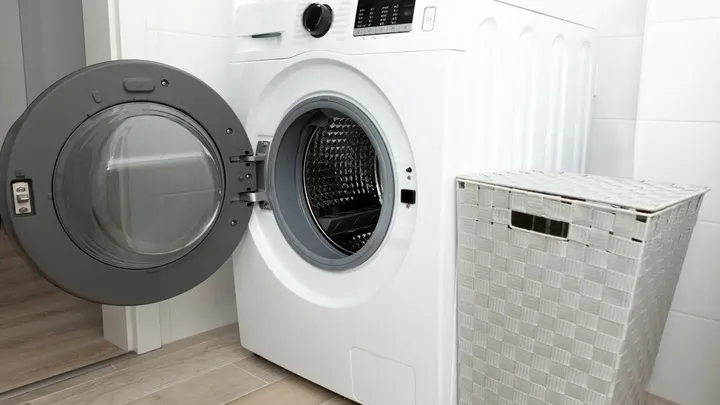
The wash is done, the clothes go into the basket, and then comes the choice: close the door or leave it open? Many households leave it open for days, convinced that it is the hygienic option. But consumer sites have been explaining why that isn't necessarily the best habit either.
Why closing the door immediately is a mistake
Even after you've removed every sock and towel, moisture remains inside the washing machine. The rubber seal around the door is particularly good at trapping small amounts of water.
Leaving that moisture trapped can encourage mould and bacteria to develop. Eventually, the machine may smell musty, and that unpleasant smell can transfer to freshly washed clothes.
According to consumer advice, leaving the door open for at least half an hour helps moisture escape. In a poorly ventilated utility room, drying may take considerably longer.
There is another reason to take this seriously. Appliance manufacturers warn that persistent mould around the door seal can eventually damage the rubber. What begins as an unpleasant smell could become a problem requiring replacement parts.
Why leaving it open permanently isn't necessary
This is where the advice becomes surprising. Many people assume that if half an hour is good, leaving the door open permanently must be even better.
Samsung's support advice includes a second step that many people overlook: close it again once the drum is dry. Experts recommend opening both the washing machine door and detergent drawer after washing, then closing the door once the drum has dried.
Consumer sites also warn against leaving the door open indefinitely, suggesting that prolonged opening may contribute to hinge wear. However, how significant this risk is depends on the appliance, and the claim isn't supported by a published manufacturer test.
Other appliance guidance recommends leaving the door ajar between washes, so there isn't one universal rule for every machine. Following your model's manual remains the safest approach.
The important point is that a dry drum doesn't need the same ventilation as a wet one.
Don't forget the detergent drawer and rubber seal
The washing machine door gets most of the attention, but two other areas deserve a few seconds of care.
The detergent drawer can collect washing liquid, fabric conditioner and moisture. Over time, these residues can contribute to unpleasant smells.
Pull the drawer out slightly after washing so it can dry. Every few weeks, remove it, rinse away any buildup, and allow it to dry before replacing it.
Then check the rubber seal around the door. Gently pull back its folds and wipe away any standing water with a clean, dry cloth. Simply leaving the door open won't necessarily remove water collected inside the seal.
A safety warning for households with children or pets
There is another reason not to leave the washing machine permanently open, particularly if grandchildren come to visit or you have a curious cat.
Haier warns that front-loading washing machines should not be left open where children or pets can access them. A small child may attempt to climb inside.
Other practical recommendations include securing the laundry room or taking precautions to keep young children away from front loaders.
Allow the machine to air while you supervise it, or keep the laundry room inaccessible.
The simple routine after every wash
You don't need any special cleaning products or complicated tricks.
Take the laundry out promptly, wipe moisture from the rubber seal, and leave the door slightly open. Pull out the detergent drawer too.
Allow at least half an hour for ventilation, and longer if the drum remains damp. Once everything is dry, you can close the door, following your manufacturer's instructions.
These recommendations apply mainly to front-loading machines, although top loaders also benefit from drying after use.
The goal isn't to keep the washing machine open for as long as possible, but to make sure moisture doesn't remain trapped inside.