
The electric blanket is probably still tucked away somewhere, waiting for the first genuinely cold night of autumn.
Before you plug it in and climb into a warm bed, though, it's worth giving it a quick check. Fire services across the UK are once again offering electric blanket testing this autumn, and last year's results show why.
In Oxfordshire, 920 electric blankets were tested in 2025, and 338 failed their safety assessment — a failure rate of 36.7%. West Sussex reported a similar result: 102 of the 334 blankets it tested last year were found to be unsafe, according to the local fire service.
Those figures don't mean your blanket is dangerous. They do show that problems can go unnoticed, especially after a blanket has spent months tucked away.
The good news is that the first checks are simple.
Start with the blanket itself
Spread the blanket out on the bed and have a proper look at it.
Check the fabric for dark or scorched patches, frayed areas and other signs of damage. Look closely at the cable and connections too, and make sure you can't see any wires poking through the fabric. These are among the warning signs highlighted in safety advice from West Sussex Fire & Rescue Service.
The blanket should also lie flat. Don't use it if it's folded, heavily creased or bunched up, as this can cause heat to build up in one area.
If you notice damaged wiring, scorch marks or exposed wires, don't plug the blanket in just to see whether it still works. It's time to replace it or have it professionally checked.
How old is your blanket?
Age is another thing worth checking before the cold weather arrives.
West Sussex Fire & Rescue Service recommends replacing electric blankets when they're more than 10 years old. If you can't remember when you bought yours, checking the label or manufacturer's information may help.
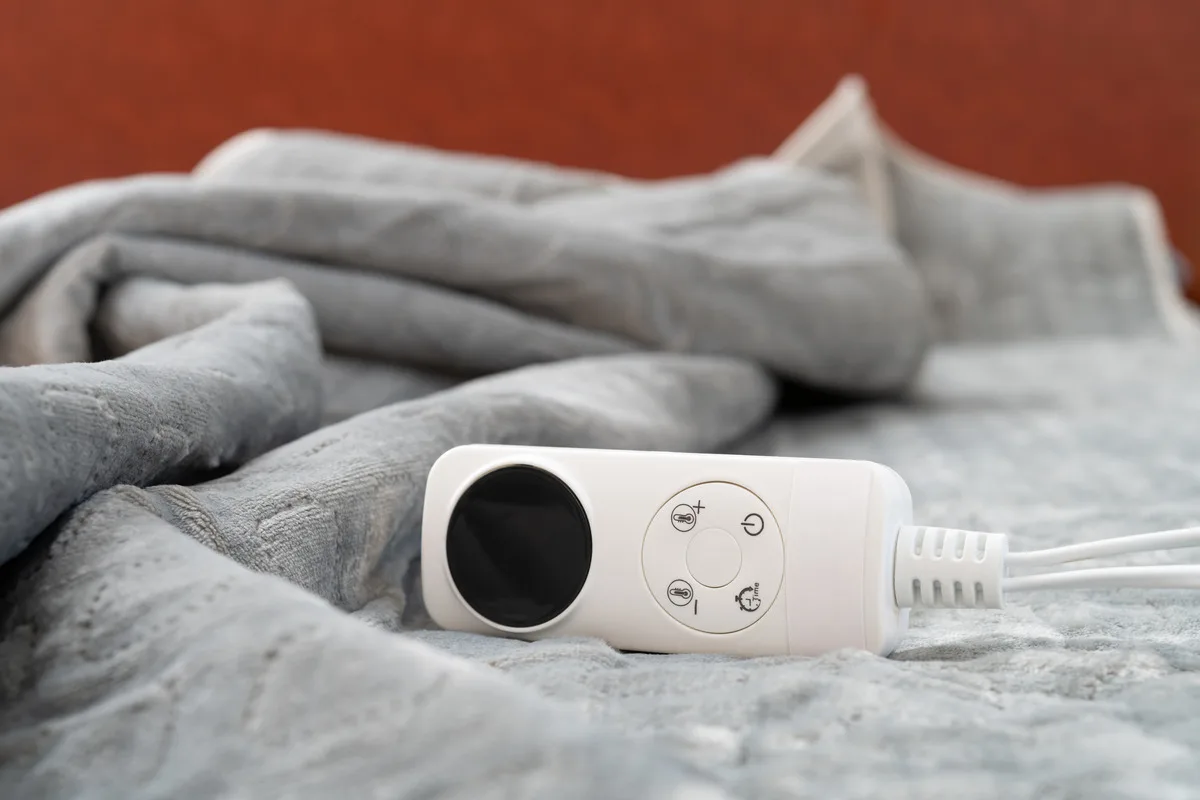
And don't forget the controller. If it shows signs of damage, gets unusually hot or smells like something is burning, stop using the blanket.
Be particularly careful with second-hand blankets, too. It’s recommended to avoid them because you don't know their age, how they've been stored or whether they've previously been damaged.
A few rules to remember
Once your blanket has passed the visual check, follow the manufacturer's instructions. Not every electric blanket is designed to be used in the same way.
Keep it flat while it's switched on and plug it directly into a wall outlet rather than an extension cord or power strip.
You should also never use an electric blanket with a hot water bottle, and don't use the blanket while it's wet or switch it on to dry it.
If your blanket isn't specifically designed for safe overnight use, switch it off and unplug it before going to sleep. These precautions are also included in fire-safety guidance.
And when the warmer weather eventually returns, don't fold the blanket tightly and push it back into the cupboard. Storing it flat or loosely rolled helps avoid damaging the wiring inside.
Give yours five minutes before using it
You don't need any special equipment for the basic inspection.
Spread it out, check the fabric, wires and controller, look at its age and make sure you know how it's supposed to be used.
If you're in an area offering free testing, it's worth taking advantage of it. Both Oxfordshire and West Sussex are running testing programs again in September and October 2026.
It only takes a few minutes to check your electric blanket before the cold nights arrive — and that's a much better time to spot a problem than after you've already plugged it in.