
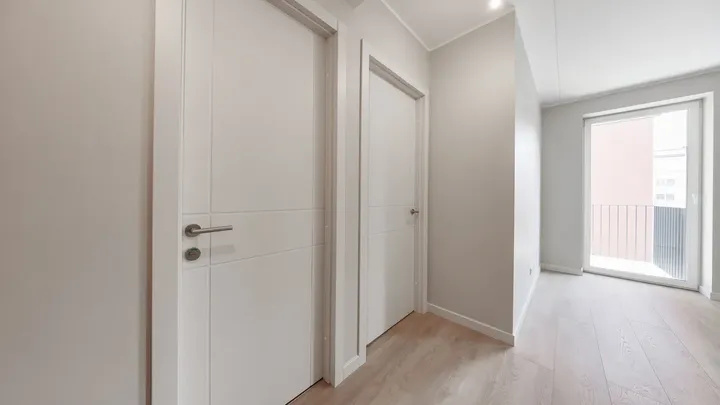
In many homes, one door seems to change colour faster than the others. The toilet door looks cream-coloured, the frame has a yellowish edge, yet the door to the living room still looks bright white. So you grab a cloth, give everything a good wipe and expect the original colour to return.
Sometimes, that works. But if the yellow tint refuses to budge, scrubbing harder may not be the answer.
Cleaning experts have shared a simple way to keep painted doors looking fresh. Paint makers, however, point to another reason for the colour change. Before reaching for a stronger cleaner or planning a repaint, there's an easy test worth trying.
Start with a gentle wash
Spanish magazine El Mueble reports that cleaning experts recommend warm water and soap flakes for painted doors. The method is simple: dissolve a little soap in warm water, dampen a soft cloth and wipe the surface gently.
Pay extra attention to the areas around handles and push plates, where fingerprints and grease tend to collect. Wipe away any residue with a clean, damp cloth and dry the door afterwards.
Always test a cleaning mixture on a hidden patch first, especially if it contains alcohol. Avoid abrasive sponges, which can scratch or dull the finish.
If the door still looks yellow after a gentle clean, it's worth looking at what the paint itself might be doing.
Why white paint changes colour
One possible explanation is the type of paint used on the door. According to Dutch paint retailer Verfwinkel, yellowing is common with older solvent-based paints, known in the Netherlands as terpentinebasis paint.
These paints often contain alkyd resin, which can develop a yellowish tint as it ages. The effect is known as dark yellowing, and it tends to be more noticeable in places that receive little daylight.
That helps explain why the inside of a toilet door, a cupboard door or the recessed edges of a frame may turn cream-coloured while other painted surfaces remain white.
Heat can also play a part. American paint maker Behr lists heat, limited light and exposure to ammonia-containing cleaning products among the factors associated with yellowing paint.
The simple test that tells you more
Wash a small area using mild soap and water, then look at both the cloth and the paint.
If the cloth picks up grey or brown grime and the cleaned patch looks whiter, surface dirt is probably contributing to the problem. Regular gentle cleaning should help.
If the cloth stays relatively clean but the paint still looks cream-coloured, the discolouration may be within the paint layer itself. In that case, stronger cleaning products are unlikely to restore the original white.
Dark yellowing can sometimes fade partly when alkyd paint is exposed to more light, but results vary. Allowing more daylight into a room may help, although it isn't a guaranteed fix.
What to do if the yellow won't come off
For routine cleaning, stick to mild soap and water. Avoid ammonia-based cleaners on yellowing white gloss, and wipe handles regularly to prevent grease from building up.
If the colour change is in the paint, repainting may be the most reliable option. Water-based paints are generally less prone to yellowing than traditional solvent-based alkyd paints.
You can often apply a suitable water-based paint over an older solvent-based finish, provided the existing layer is sound and the surface is cleaned and properly sanded. Depending on the condition of the door and the paint chosen, a suitable primer may also be necessary. Always follow the paint manufacturer's instructions.