
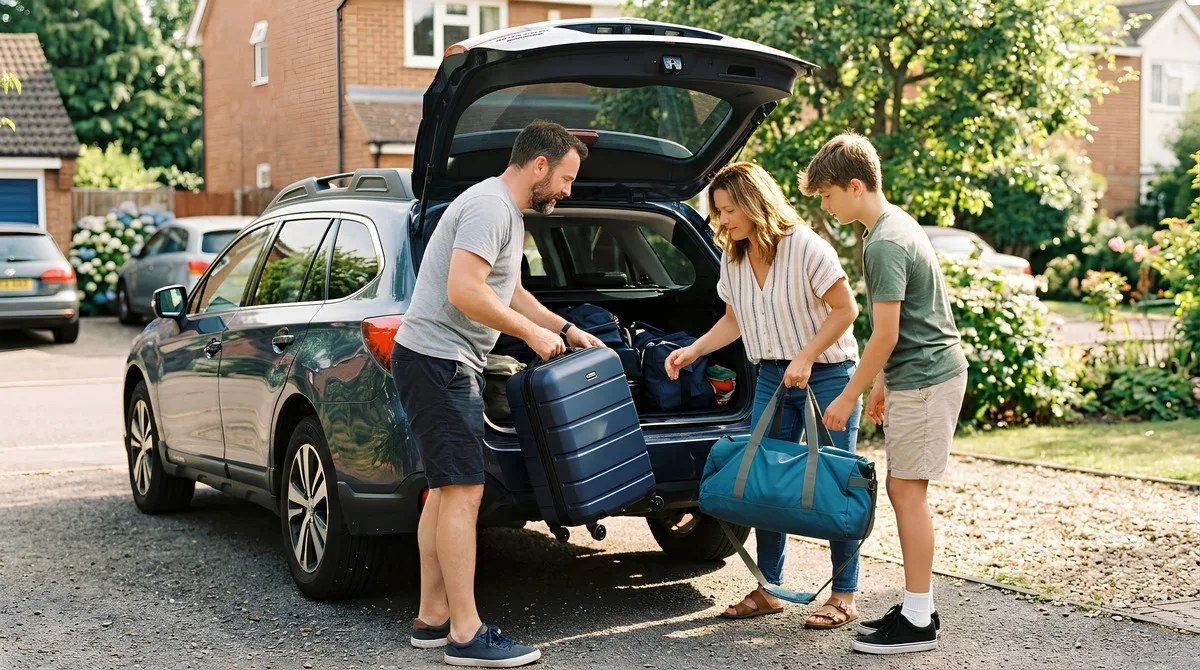
The holiday is over, the suitcase is still half-packed and there is usually one place it ends up first: the bedroom.
You unzip it, pull out a few clothes and start sorting everything while the washing machine waits nearby. It is such a normal part of coming home that most people never give it a second thought.
But public health services recommend changing that routine and there is a good reason for it.
The good news is that there is a straightforward routine for dealing with luggage after a trip. And the first step happens before the suitcase makes it into the bedroom.
So why is the bedroom the wrong place?
The reason is simple: bed bugs can hide in luggage and clothing and then spread into your home unnoticed. They are small, flat insects that can squeeze into seams, pockets and other narrow spaces, making a suitcase an easy place for them to travel.
That also explains why public health services advise keeping luggage away from beds when staying somewhere and unpacking it somewhere other than the bedroom when you get home. If there is any reason to suspect an infestation, dealing with the suitcase and its contents before bringing them into the bedroom can help prevent the problem from spreading.
A simple precaution before you leave
There is one habit worth adopting if you are concerned about bed bugs: keep your luggage away from the bed.
A luggage rack is preferable to placing a suitcase on the bed or directly on the floor. The bathroom can also be a useful place to keep bags while you are staying somewhere.
Before leaving a room where bed bugs may be present, check the seams, pockets and folds of your luggage. Shake out belongings and inspect them carefully rather than simply packing everything away and heading home.
It only takes one unnoticed insect to turn a holiday souvenir into a much bigger problem.
At home, the first few minutes matter
If you have stayed somewhere where bed bugs may have been present, avoid carrying the suitcase straight into the bedroom.
Instead, keep the luggage outside while you deal with the contents. Unpack the clothes and put them directly into bags, then take them to the washing machine.
Wash affected clothing and bedding at 60°C or hotter, then use a hot tumble-dryer setting for at least 30 minutes. The heat is important because ordinary washing at lower temperatures may not be enough.
The suitcase needs attention too. Check seams, edges, handles, pockets and zips carefully, and clean or vacuum areas where insects could be hiding before putting the luggage away.
What about things you cannot wash?
Not everything that comes home from a trip can go into the washing machine.
The NHS recommends putting items that cannot be washed into a plastic bag and then into the freezer for 2 to 3 weeks. This can be useful for smaller belongings that might otherwise provide another hiding place.
Shoes, toiletry bags and some personal items may be suitable, although anything that could be damaged by freezing should be treated another way.
Don't try to solve an infestation with a spray
If you actually find bed bugs at home, washing your holiday clothes is only part of the job.
The NHS also mentions bed bugs can be very difficult to eliminate yourself because they can be hard to find and may be resistant to some insecticides. It recommends contacting your local council or a pest-control service.
The same caution applies to second-hand furniture and mattresses. Check seams, cracks and other hiding places carefully before bringing them indoors.
There is no need to treat every suitcase after every holiday as a potential infestation. But if you have seen bed bugs or signs of them where you stayed, changing what you do in those first few minutes at home can make it much harder for an unwanted passenger to reach your bedroom.