
A glass slips out of a wet hand, or a Christmas ornament falls off the lowest branch of the tree, leaving the floor covered in shards. The larger pieces are easy enough to sweep up. The problem is the tiny splinters you can barely see, which might end up in your sock or your dog's paw days later.
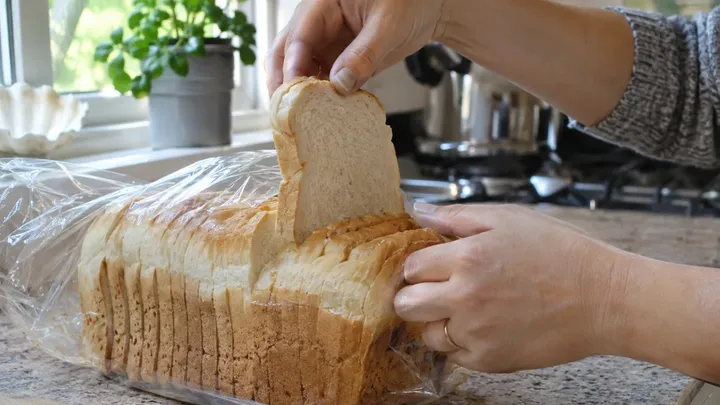
But an old kitchen trick uses something most households already have: a slice of soft bread. Pressing it against the floor can help collect the tiny glass fragments your broom and dustpan leave behind.
With Christmas decorations coming out of storage and more visitors stopping by over the coming weeks, it's a handy trick to know.
Why a slice of bread works so well
According to the American food website Tasting Table, the secret lies in the texture of the bread. Its soft, spongy interior allows tiny, irregular pieces of glass to become embedded in it.
Unlike the bristles of a broom, which can brush past particularly small fragments, bread conforms to the surface underneath it.
American glass repair company Ryan's All Glass also recommends this method.
Ordinary soft sandwich bread is a good choice. There's no need to sacrifice a particularly nice loaf, and even the unused end slice can come in handy, provided it's still soft.
How to safely clean up broken glass
Before reaching for the bread, make sure you're wearing sturdy, closed-toe shoes and cut-resistant gloves. Ask children to leave the room and keep pets away until you've finished cleaning.
Then follow these steps:
- Sweep up the larger pieces. Use a broom and dustpan to remove as much visible glass as possible.
- Take a thick slice of soft bread. Carefully press it against the floor without rubbing or dragging it.
- Work your way around the area. Glass can scatter surprisingly far from where it originally landed.
- Replace the bread regularly. Once a slice has collected fragments, discard it safely and continue with a fresh one.
- Check the floor with a flashlight. Hold it close to the ground so that any remaining fragments reflect the light.
Ryan's All Glass also recommends vacuuming afterward as an additional precaution, provided your vacuum cleaner is suitable for collecting small glass fragments.
Don't forget to check underneath nearby furniture and along the baseboards, too.
Pay particular attention to tiled floors
If you have tiles in your kitchen, tiny pieces of glass can settle into the grout lines between them. These recessed areas are particularly easy to overlook when sweeping.
According to Tasting Table, the flexibility of soft bread can help collect fragments from these awkward spots, as well as from tight corners.
However, the trick is best reserved for smaller accidents, such as a broken drinking glass, jam jar, or Christmas ornament. A shattered window or glass tabletop requires a more thorough cleanup.
No bread at home? Try a damp paper towel
Another method recommended by Ryan's All Glass involves ordinary paper towels.
Fold several sheets together to create a thick layer, dampen them slightly with water, and carefully press them against the remaining fragments while wearing protective gloves.
This is particularly useful if you've dropped a glass containing juice or wine, as the paper towel can also absorb the remaining liquid.
Avoid using your regular dishcloth, since tiny pieces of glass could become trapped in the fabric.
Don't put broken drinking glasses in the recycling bin
Drinking glasses and decorative glass ornaments are generally unsuitable for ordinary glass recycling.
In the Netherlands, Milieu Centraal advises putting broken drinking glasses in general household waste. Similar guidance applies in the UK and many parts of the United States, although local rules can vary.
Place the contaminated bread and collected shards in a sturdy, sealed cardboard box before disposal. This helps protect family members and sanitation workers from accidental cuts.
And remember: even if the floor looks clean, one final check with a flashlight is well worth the effort.