
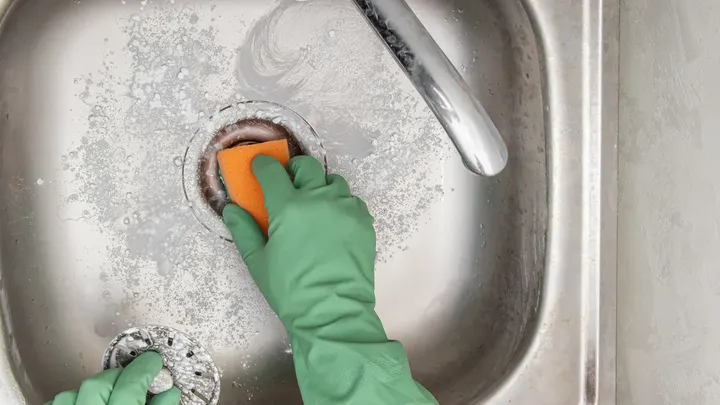
The roast is finished, the plates have been cleared and the guests are settling down after a big meal. Now comes the less exciting part: cleaning the kitchen. The roasting tin is covered in grease, the frying pan needs attention and there's a pile of washing-up waiting by the sink.
It's tempting to take the quickest route and get everything cleaned in one go. But one common habit can cause problems long after the kitchen looks spotless. Water companies and plumbers are warning households to pay attention, particularly during the busy festive cooking season.
Why this everyday habit causes problems
When cooking fat is warm, it stays liquid and flows easily. Add hot water and washing-up liquid, and it can look as though the grease has disappeared completely.
But fat doesn't actually dissolve in water. As it travels through the pipes, the water gradually cools and the fat can become solid again. It then sticks to the inside of the pipes, where more grease and food scraps can collect.
Over time, this build-up can restrict the flow of water and eventually cause a blockage.
Water UK warns that fats, oils and grease can harden in cold pipes and combine with other waste to form large blockages known as fatbergs.
In other words, hot water may simply move the problem further down the pipe.
The problem gets worse around Christmas
Water UK found that 27% of British adults pour cooking fat down the sink. Its December 2023 research also found that 22% put fats down the drain and 11% down the toilet.
Thames Water reports more than 20,000 blockages a year caused by fats, oils and grease across its network. These account for around 28% of sewer blockages, with clearing them costing up to £11 million annually.
The company also sees a seasonal increase in December and January, when festive meals mean more cooking fat, gravy and leftovers being washed away.
What should you do with leftover cooking fat?
Fortunately, dealing with it properly is quite simple:
- Let it cool: Give the fat in roasting tins and frying pans time to cool and solidify.
- Wipe it away: Use kitchen paper to remove leftover grease and put it in the bin.
- Collect cooking oil: Pour cooled liquid oil into a suitable container and dispose of it according to your local waste guidance.
- Reuse it: If the fat is still suitable, you can save it for another meal.
- Use a sink strainer: This catches food scraps and greasy leftovers before they enter the drain.
For households in the Netherlands and Belgium, there's another seasonal consideration. If you're making oliebollen around New Year, don't pour the used frying oil down the sink either. Allow it to cool, collect it in a suitable container and take it to a local collection point. Many supermarkets and recycling centres accept used frying oil, although availability varies by location.
Does boiling water clear a greasy drain?
It might seem logical to pour a kettle of boiling water down the sink to melt any fat that has collected. However, Thames Water advises against this.
The hot water can carry the grease further along the pipes, where it cools and hardens again. Bleach isn't a solution either, so it's best not to rely on either method to clear a fat blockage.
If your sink is already draining slowly, check the removable trap underneath it. Place a bucket below before opening it, and remove any collected debris if you're comfortable doing so. If the water still won't drain properly, the blockage may be further down the pipe and need a plumber.
A little care when cleaning up after dinner can save you from a much bigger kitchen problem later.